Trump's Future After US Midterms and Europe's Cybersecurity Concerns
Democrats' control of Congress after the US midterm elections creates uncertainty for Donald Trump's political future, while cyberattacks in Europe raise fears for critical infrastructure.
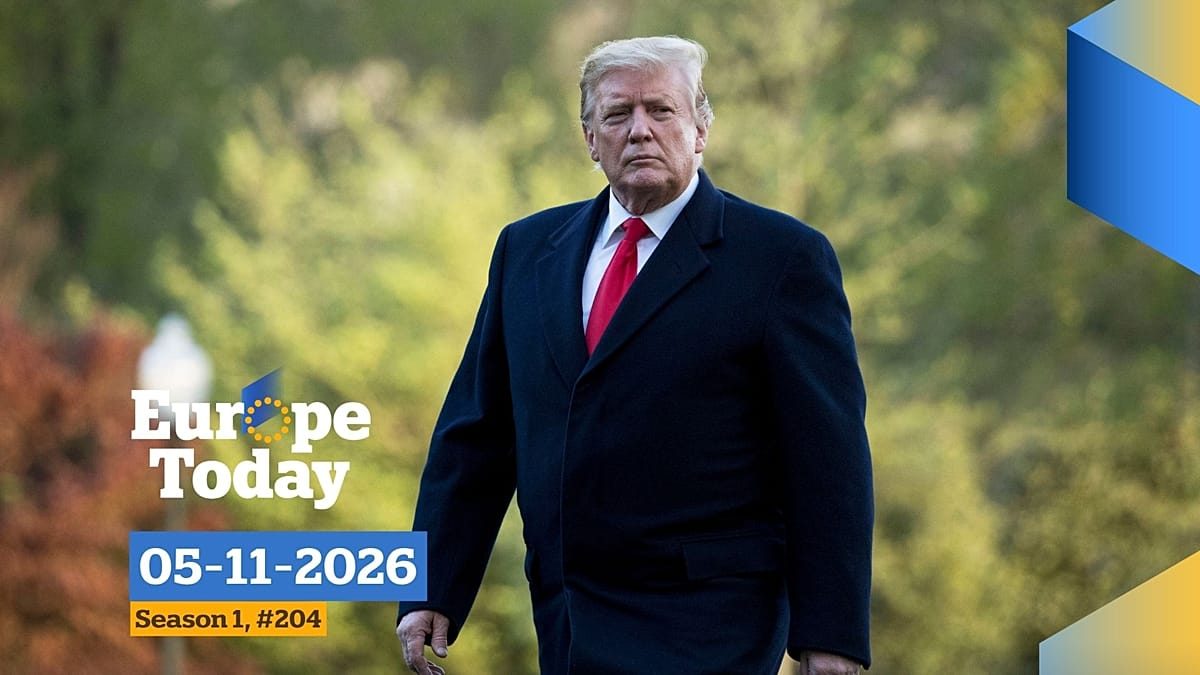
The Democratic Party has gained control of both the Senate and the House of Representatives in the recent US midterm elections. This outcome has weakened former President Donald Trump's political standing and led to speculation that his future actions may become even more unpredictable.
Highlights
- Democrats secured a significant victory in the US midterm elections, taking control of both chambers of Congress.
- This development could make Donald Trump's political future and his next moves more uncertain, according to political analysts.
- In Europe, a French blood bank and supermarket refrigerators were targeted by cyberattacks.
- Cybersecurity experts warn that such attacks could open a new front in hybrid warfare against Europe's critical infrastructure.
- Reza Pahlavi, son of Iran's last Shah, called for the EU to freeze assets linked to the Tehran regime and show similar resolve as it has towards Vladimir Putin.
Details
Political analyst Eric Ham in Washington questions how a weakened Donald Trump will react following the US midterm elections. The Democratic victory in both houses has narrowed Trump's political maneuvering space. This situation also creates uncertainty for European investors, with Xavier Volatier from Banque Transatlantique in New York assessing the implications of the midterm results for them.
On the European front, cybersecurity concerns are escalating. Kevin Curran, a professor of cybersecurity at Ulster University, explains how hackers can take over critical infrastructure like supermarket refrigerators and blood-bank cooling systems. Such attacks have the potential to disrupt vital European services and are seen as a new hybrid warfare threat.
Meanwhile, Reza Pahlavi, son of Iran's last Shah, told Euronews that the European Union should freeze assets linked to the Tehran regime and demonstrate the same resolve it has shown towards Russian President Vladimir Putin.
Why it matters
Political shifts in the US and growing cybersecurity threats in Europe are of significant importance for global stability and international relations. Trump's future role could influence US domestic and foreign policy, while cyberattacks could jeopardize the security of critical infrastructure, leading to widespread disruptions. Calls regarding Iran could further escalate regional tensions.