US Midterm Elections: Democrats Take Control of Congress
In the US midterm elections, the Democratic Party gained control of both the House of Representatives and the Senate, ending Republican dominance in Congress.
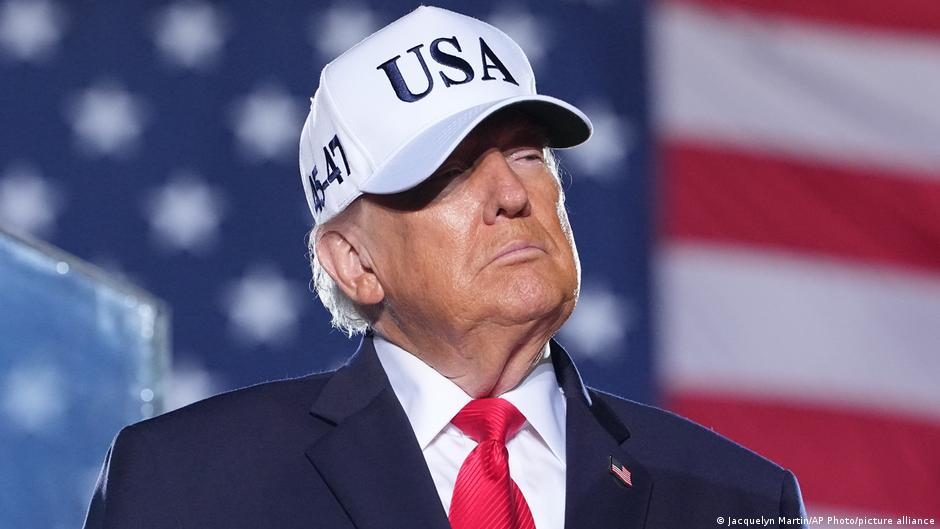
The Democratic Party has secured majorities in both the House of Representatives and the Senate following the recent US midterm elections, effectively ending the Republican Party's control over Congress. This outcome is expected to complicate President Donald Trump's second term and could lead to significant shifts in the nation's foreign policy agenda.
During President Trump's tenure, support for Ukraine has diminished, and policies towards Iran have been a point of contention. The new composition of Congress is likely to play a decisive role in these and other issues. With the Democrats now in control, the US is anticipated to enter a new phase in its international relations and domestic policy.
Highlights
- The Democratic Party won majorities in both the House of Representatives and the Senate in the midterm elections.
- This shift will give Congress more influence over President Donald Trump's legislative and spending decisions.
- Increased US support for Ukraine and potential changes in Iran policies are expected to be on the agenda.
- Funding for global aid projects combating Ebola, AIDS, and hunger may be re-evaluated.
- The future of closed agencies, such as the US Agency for International Development (USAID), could become a subject of debate.
Details
Under the US Constitution, the president cannot unilaterally declare war or make decisions regarding financial or military aid; Congressional approval is required. The Democrats' control of both chambers could lead to more legislative hurdles for President Trump and influence foreign policy decisions. Previously, the Trump administration had reduced financial and military aid to Ukraine and adopted a colder stance towards Ukrainian President Volodymyr Zelenskyy. Democrats may now push for increased support for Ukraine.
Regarding Iran, President Trump's decision to launch a war with Israel on February 28, 2026, without consulting Congress, faced opposition from Democrats. Democrats, along with some Republicans, passed a resolution calling for an end to hostilities, but it was ignored by the Trump administration. The new Congressional structure could establish a stronger oversight mechanism in such matters and potentially prevent a major escalation by withholding funds.
Another area of focus for Democrats will be the Trump administration's cuts to global aid projects for Ebola, AIDS, and hunger, as well as the closure of USAID, early in his second term. Congress could investigate the closure of USAID and push for increased aid spending. Brandon Conradis, an editor at Bloomberg Government, stated, "Democrats would have oversight power and use it to scrutinize the closing of USAID."
Why it matters
The Democratic Party gaining control of Congress marks a significant turning point in US domestic and foreign policies. This development could limit President Trump's powers and pave the way for a different approach to issues such as support for Ukraine, relations with Iran, and global humanitarian aid. However, given that the president remains Republican, a complete policy reversal is unlikely; rather, a shift in power dynamics is anticipated. This will have important implications for the US's role on the global stage and its international alliances.