US Midterm Elections Show Strong Resistance to Data Centers and AI Development
In the recent US midterm elections, voters largely rejected data center projects, reflecting growing concerns about the economic and environmental impacts of artificial intelligence development.
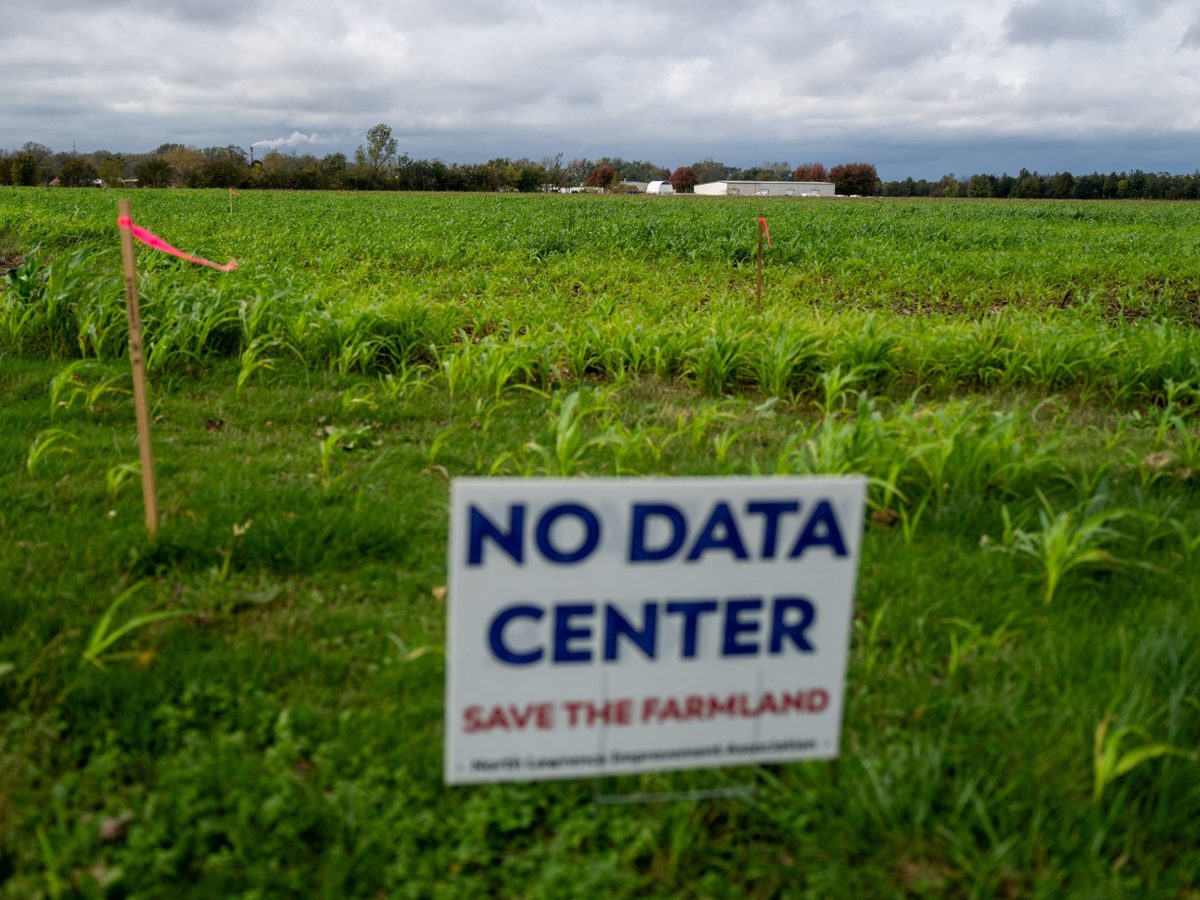
In the US midterm elections held last Tuesday, voters rejected data center development in all but one of 41 ballot measures addressing the issue. These results indicate that environmental and economic concerns stemming from the rapid growth of the artificial intelligence (AI) sector directly influenced voters' choices at the polls.
A September poll revealed that 70% of Democrats and 57% of Republicans supported limiting the construction of new data centers in the United States. This suggests that data centers have become a bipartisan issue, intertwined with cost-of-living concerns and fears over job stability.
Highlights
- Voters rejected or limited data center development in 40 out of 41 local ballot measures concerning the issue.
- The rapid growth of the AI sector has intensified concerns regarding data centers' energy and water consumption.
- A Federal Reserve Bank report estimates that wholesale electricity prices increased by 6.9% due to data centers.
- Democratic candidates who took an anti-data center stance achieved significant victories in states like Ohio and Texas.
- With Democrats poised to control both chambers of Congress, increased regulation of the AI industry is anticipated.
Details
This strong opposition in the midterms stems from direct costs like high energy and water consumption by data centers, as well as fears about AI's potential impact on the job market. Bhaskar Chakravorti, dean of global business at Tufts University, stated, "The unchecked acceleration of AI development has been causing concern across the board." He added, "People worry about their jobs and what it might mean from a broader economic perspective. But closer to home, people could see the physical manifestations of AI in data centers being built in their back yards, or they were hearing about it from others."
A 2026 working paper from the Federal Reserve Bank estimates that wholesale electricity prices had risen by 6.9% as of last year due to data centers. This has led voters to directly link increases in their energy bills to data centers. James Mercer, founder of Metro Colo Advisory, an independent data center advisory firm, commented, "What they push back on is a building down the road that needs as much power as a small city, when they suspect their own electric bill will cover it."
Figures like Democrat Sherrod Brown, who won a Senate seat in Ohio, and Gina Hinojosa, who was elected governor in Texas, succeeded by centering their campaigns on data center development and AI regulation. Their victories clearly demonstrated voters' sensitivity to these issues. For instance, in Texas, cities like Corpus Christi, facing water scarcity, have seen data centers' water demands become a serious concern.
Why it matters
The US midterm election results indicate that the rapid growth of AI and data centers is no longer just a concern for tech companies but profoundly affects the broader public and politics. Voters' clear stance on this issue could lead to stricter regulations and environmentally sustainable policies for the AI industry in the coming period. This will necessitate that technology companies re-evaluate their business practices and investment strategies. Market value fluctuations in major tech companies like Nvidia also suggest that investors are reacting to this political shift.