COVID-19 Vaccine Ordering for Children Finally Opens in US After Delay
COVID-19 vaccine orders for low-income children in the United States have finally opened through a federal program, following an unexplained delay of nearly a month.
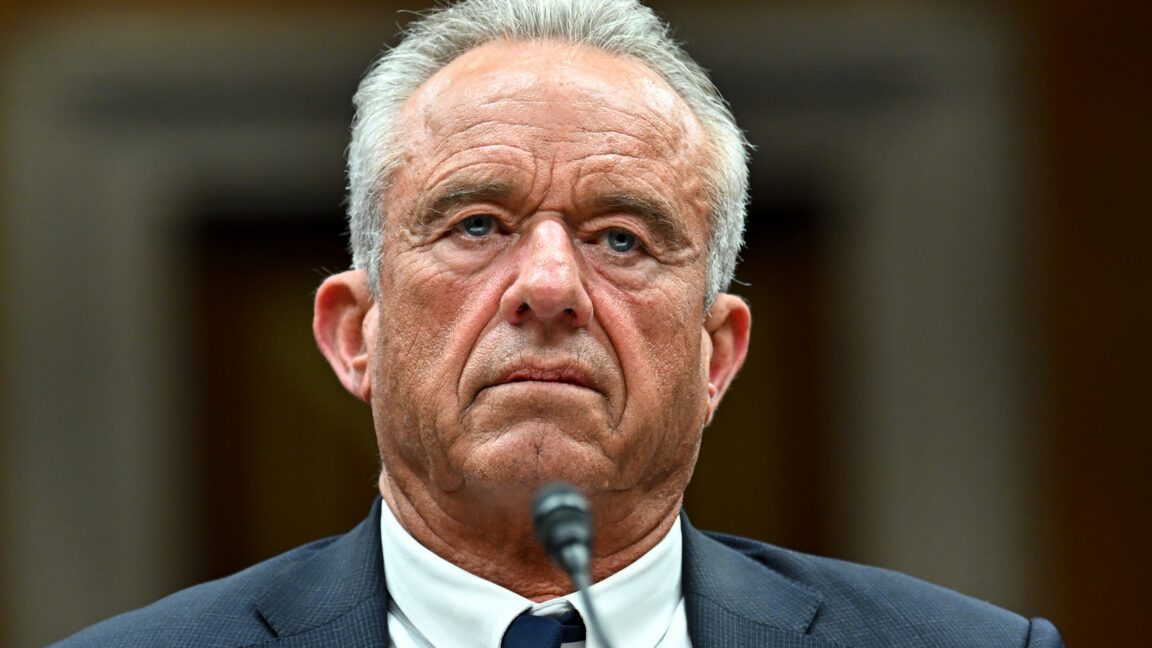
Ordering for this season's COVID-19 vaccines, provided free to low-income children through a federal program in the United States, has finally commenced after a nearly month-long delay. The lack of a clear explanation for the holdup has raised concerns about potential interference from anti-vaccine Health Secretary Robert F. Kennedy Jr., causing apprehension among health professionals.
Highlights
- COVID-19 vaccine ordering through the federal Vaccines for Children program has opened after a month-long delay.
- The unexplained delay has led to speculation about interference from Health Secretary Robert F. Kennedy Jr., known for his anti-vaccine stance.
- The vaccines had been approved by the U.S. Food and Drug Administration (FDA) in late August.
- The Department of Health and Human Services (HHS) initially attributed the delay to "not yet finalized procurement decisions."
- A delay in finalizing the CDC's clinical guidance was also cited as a contributing factor.
Details
The U.S. Department of Health and Human Services (HHS) initially stated that the delay was due to the Centers for Disease Control and Prevention (CDC) not having finalized procurement decisions for the vaccines. The department emphasized its commitment to responsible stewardship of taxpayer resources and ensuring that federally purchased vaccines are appropriate for the populations served. However, unnamed sources suggested that part of the delay stemmed from issues in finalizing the CDC's clinical guidance for healthcare professionals.
According to The Washington Post, career officials at the CDC had already completed preparations to make the vaccines available. A spokesperson for the Minnesota Department of Health also indicated that approval from CDC leadership was awaited before distribution could begin. These reports fuel claims that Health Secretary Robert F. Kennedy Jr., known for his anti-vaccine views, may have influenced the decisions. Kennedy has previously called COVID-19 vaccines the "deadliest vaccine[s] ever made" and petitioned the FDA to withdraw their approval.
A federal judge's order in March halted other changes Kennedy and his allies had made to CDC vaccine recommendations. This leaves the CDC's current recommendations for COVID-19 vaccines as they were in July 2025. At that time, vaccines were recommended for children aged 6 months to 17 years who are moderately to severely immunocompromised. Healthy children in that age group were recommended to obtain them through shared clinical decision-making with a pharmacist or doctor. A recent update to the newly approved CDC clinical guidance states that "because of legal uncertainties and inquiries, the CDC states the recommendations for COVID-19 vaccination from the July 2025 immunization schedule remain in effect for the 2026-2027 respiratory illness season."
Why it matters
This delay could lead to potential disruptions in protecting children against COVID-19 in the U.S., particularly affecting access to vaccines for children from low-income families. Furthermore, it raises concerns about the independence of federal health agencies and the protection of scientific decisions from political interference. The discrepancy between leading medical groups recommending vaccination for all infants aged 6 to 23 months and the current CDC recommendations could also cause confusion.