US Democrats Reframe Climate Policy Around Energy Bills
In the US, the Democratic Party is focusing on energy costs and household budgets rather than explicitly climate change in their midterm election campaigns.
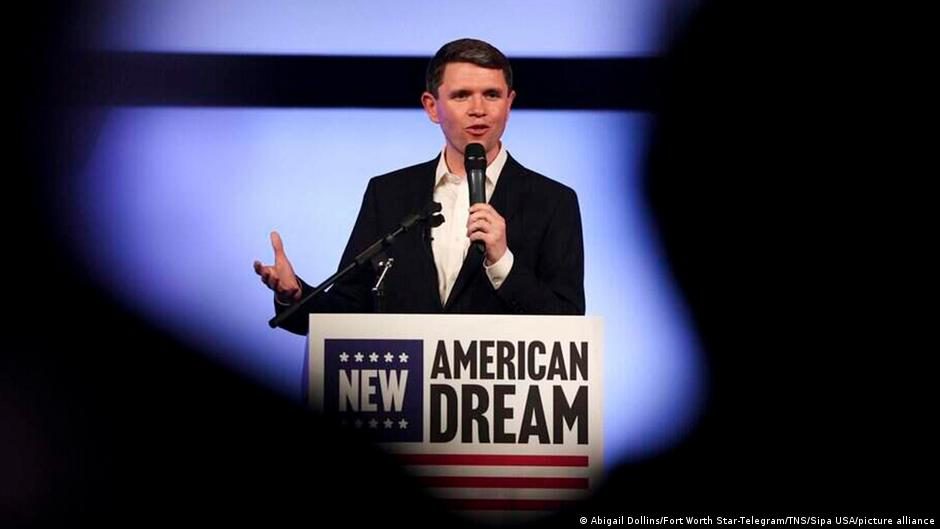
The Democratic Party in the United States is shifting its midterm election campaign strategy, moving away from directly addressing climate change and instead emphasizing economic issues such as energy costs and household budgets. This change in approach is seen as an effort to respond to voters' priorities amidst rising living costs and energy prices across the country.
The party is framing climate policies as an 'affordability' issue, highlighting how Americans are struggling to pay for essentials like gas, groceries, and home insurance against climate-fueled extreme weather events.
Highlights
- Democrats are reducing mentions of 'climate change' in their campaign rhetoric, replacing it with topics like 'electricity prices'.
- Candidates like Texas Senate hopeful James Talarico are focusing on pledges to lower energy costs and fund grid upgrades.
- Analysts suggest that climate policy no longer needs to be explicitly called climate policy to be effective, as it's now presented through economic benefits.
- The party plans to reintroduce incentives for home energy efficiency upgrades and appliances like heat pumps to reduce household energy costs.
- The energy consumption and grid strain caused by data centers are emerging as a key focus for future climate policies.
Details
According to analysis by Inside Climate News, Democrats have significantly reduced their mentions of climate change in press releases and campaign messaging. Max Frankel, executive director of the SEEC Institute, a nonprofit guiding climate policy in Congress, commented, "We've entered an interesting space where climate policy doesn't need to be called climate policy to be climate policy."
Forecasts project Democrats winning the House and a narrow majority in the Senate in the November elections. However, without control of the White House, passing legislation will be challenging, and climate policies will likely require bipartisan efforts. Given this, and the Democrats' shift to affordability over climate, few experts anticipate a full resurrection of the Inflation Reduction Act (IRA).
Nevertheless, Democrats may attempt to revive some climate-friendly IRA provisions, particularly those aimed at lowering household energy costs. This includes incentives for home energy-efficiency upgrades and appliances such as heat pumps. There is also potential to expand the IRA's manufacturing tax credit for solar, batteries, and critical minerals.
Why it matters
The Democratic Party's strategy of framing climate change through the lens of energy costs and economic affordability represents a new approach to making climate policies resonate with a broader audience. This aims to garner more voter support by connecting climate actions directly to the economic realities of daily life. The emerging focus on issues like the growing energy consumption of data centers indicates that future climate policies will address both environmental and economic dimensions simultaneously.