US Overseas Bases Under Threat from Iran: Risks Mount from UK to Gulf
US military bases in the UK and Gulf are transforming from strategic assets into potential liabilities due to escalating threats from Iran.
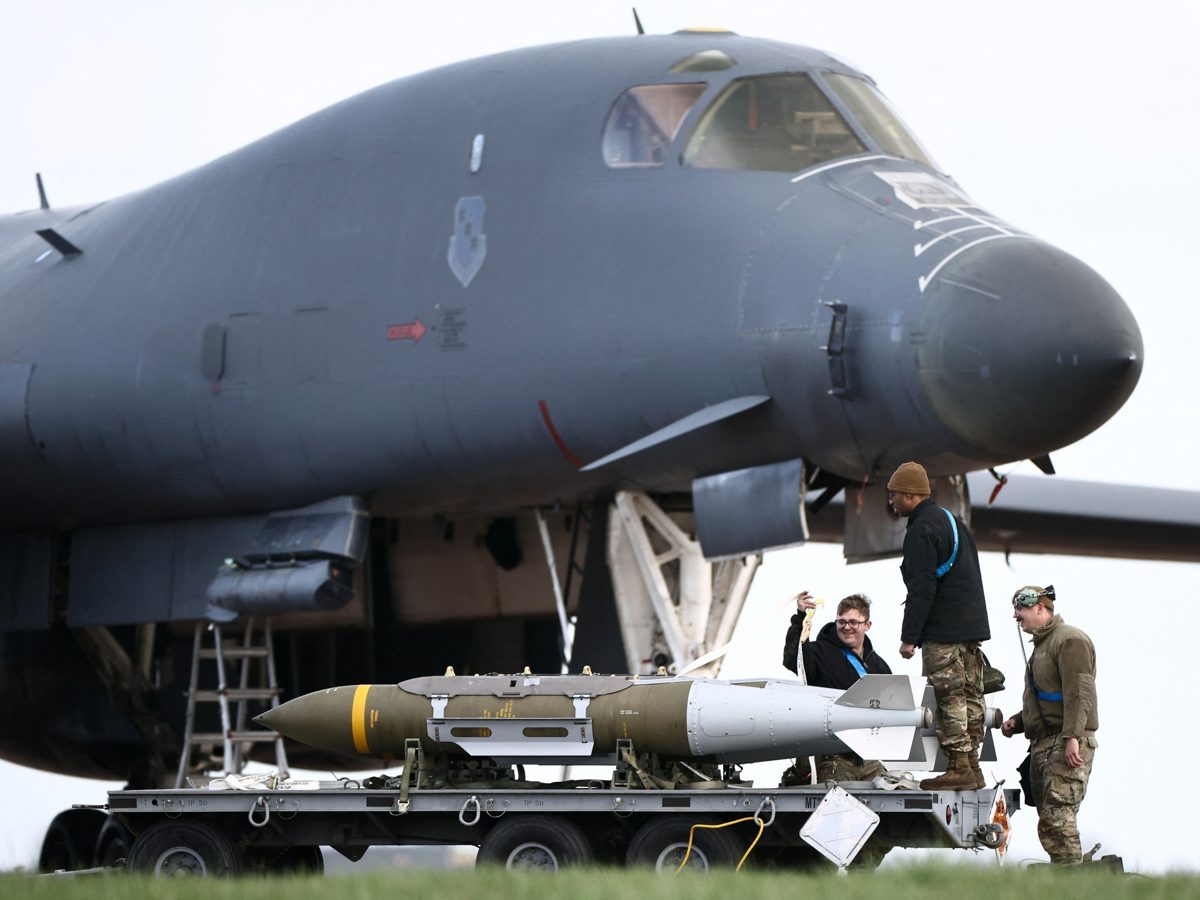
For decades, US overseas military bases have enabled the United States to project power and protect allies globally. However, growing threats from Iran are now challenging the strategic value of these facilities, raising security concerns from bases in the UK to those in the Gulf region.
Analysts suggest that these bases are becoming potential liabilities for both the US and their host nations. The US-Iran conflict, which commenced in 2026, has particularly highlighted these vulnerabilities.
Highlights
- The US has withdrawn 12 B-1 Lancer bombers from RAF Fairford and RAF Mildenhall in the UK due to Iranian threats.
- British security forces made arrests related to an alleged plot targeting RAF Fairford, a charge Tehran denies.
- The US has relocated many military assets from its Gulf bases to Jordan and is considering moving them to Israel.
- Iran's capability to inflict significant damage on US facilities in the Middle East during the war has, for the first time, turned these critical strategic assets into potential liabilities.
- Experts note that large military bases are becoming easier targets due to inexpensive drones and ballistic missiles.
Details
RAF Fairford in the UK has played a pivotal role in numerous operations, from the 1991 Gulf War to the 2003 Iraq War, and the 2026 US-Iran conflict. However, in October, the US withdrew all B-1 Lancer bombers from the base amid fears of an escalating Iranian threat. Similarly, earlier this month, the US also pulled a dozen planes from another British base, RAF Mildenhall.
In July, reports indicated that the US had relocated many military assets from its badly hit Gulf bases to Jordan and was considering a proposal to shift them to Israel. A Pentagon watchdog report revealed that Iranian attacks damaged hundreds of buildings at US military installations in Kuwait, Bahrain, Qatar, the UAE, Saudi Arabia, Iraq, Oman, and Jordan during the first four months of the war. Damage included the early warning radar system at Al Udeid airbase in Qatar and communications equipment at the US Fifth Fleet headquarters in Bahrain.
Simon Mabon, a professor of international politics at Lancaster University, commented, "The US security umbrella is becoming a double-edged sword." Mabon added that questioning the security of US bases changes Washington's calculation of their strategic benefits and prompts host nations to seriously reconsider their presence, given they are becoming targets.
Why it matters
These developments signal a significant shift in US global military strategy. Overseas bases, long perceived as security guarantors for allies, are now facing asymmetric threats from actors like Iran, making them targets themselves. This impacts not only US operational capabilities but also forces host nations to re-evaluate their security calculus. The proliferation of cheap and accessible drone technology, in particular, makes defending large, fixed military installations more challenging, necessitating the development of new security paradigms.