US Embassy Contests Houthi Blockade Claims, Highlights Taiz Siege
The US Embassy in Yemen refutes Houthi claims of a Saudi-led blockade, providing data on commercial shipments while accusing Houthis of besieging Taiz.
Highlights
- The US Embassy in Yemen has challenged claims by the Houthi group regarding a blockade on the country.
- A spokesperson for the embassy stated that 272 commercial vessels delivered goods to Houthi-controlled ports between January and September 2026.
- These shipments included millions of tons of food and other essential supplies.
- The US has accused the Houthis of imposing a siege on Taiz, a government-held city, obstructing the entry of vital provisions.
- United Nations data corroborates the continued flow of commercial maritime traffic into Yemen.
Details
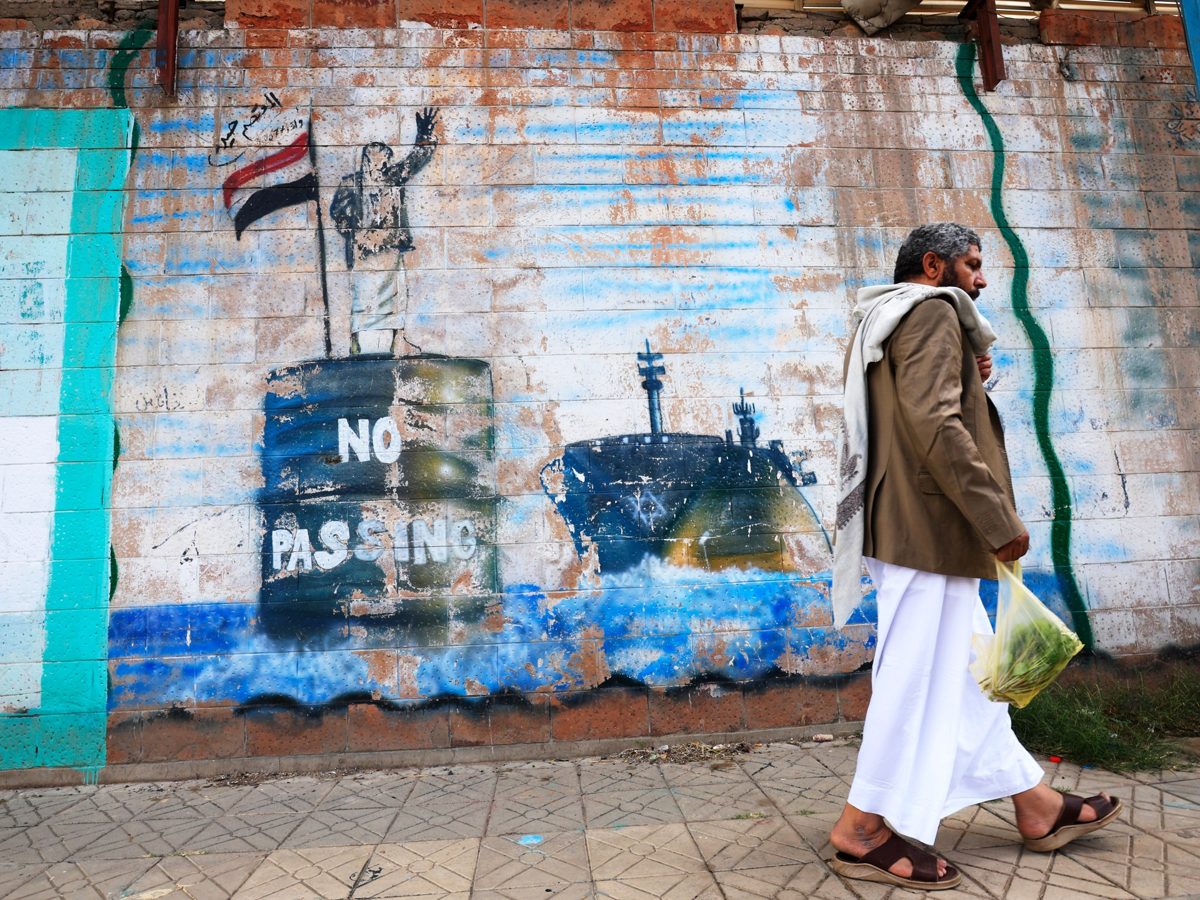
Khaled Wolfsberg, a spokesperson for the US Embassy in Yemen, released a video statement presenting figures that indicate 272 commercial ships successfully discharged their freight at the Houthi-administered ports of Hodeidah, as-Salif, and Ras Isa during the initial nine months of 2026. This information directly contradicts the Houthi narrative that Saudi Arabia and its allies have implemented a comprehensive blockade on Yemen's Red Sea ports, thereby preventing aid from reaching civilians.
Operational assessments from the United Nations Verification and Inspection Mechanism for Yemen (UNVIM) support the US assertions. UN data confirms that numerous vessels regularly obtained clearance to sail to these Houthi-controlled ports each month during the specified period. These ships transported millions of tons of crucial cargo, predominantly food. March saw the largest volume of food deliveries, exceeding 737,000 tons, with January also recording substantial deliveries of nearly 630,000 tons.
Wolfsberg also accused the Houthis of obstructing the entry of food and fuel to medical facilities and water treatment plants in Taiz. He characterized the circumstances endured by the inhabitants of Taiz as a legitimate siege, attributing responsibility for localized shortages to the Houthi forces surrounding the area. Wolfsberg stated, "The only real blockade is the one cruelly imposed by the militia on Taiz by preventing the entry of food and essential supplies for citizens."
Why it matters
These declarations shed light on the humanitarian dimensions of the conflict in Yemen and the allocation of responsibility by international actors. The US denial of Houthi blockade claims and its emphasis on the situation in Taiz could intensify discussions surrounding the origins and potential resolutions of the humanitarian crisis in the region. Data on commercial shipping offers a different perspective on the accessibility of humanitarian aid, while the allegations of a siege in Taiz underscore the hardships faced by civilians in the area.