US and Iran Hold Indirect Talks at UN General Assembly on Reopening Strait of Hormuz
US and Iranian officials engaged in indirect discussions through mediators during the UN General Assembly meetings, with the reopening of the Strait of Hormuz as a key agenda item.
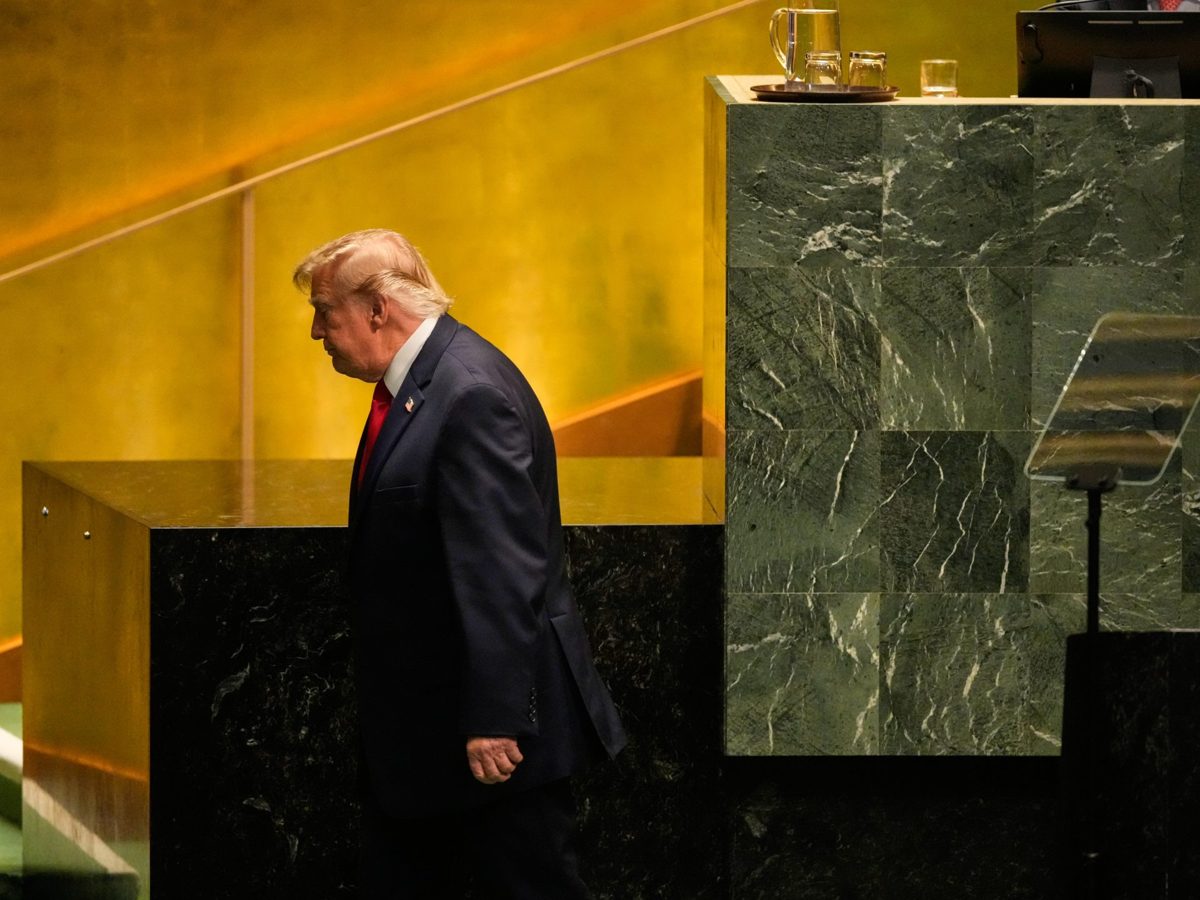
The United States and Iran conducted indirect talks through mediators in New York, on the sidelines of the United Nations General Assembly (UNGA). These discussions primarily focused on the potential reopening of the Strait of Hormuz and de-escalating regional tensions.
Highlights
- US special envoy Steve Witkoff stated that mediators shuttled between the American and Iranian delegations throughout the day.
- US President Donald Trump described the talks as "very productive" and noted "a lot of momentum" towards an agreement.
- Iranian state media confirmed a meeting between Iranian Foreign Minister Abbas Araghchi and Witkoff.
- Iran's conditions for reopening the Strait of Hormuz include the lifting of the US naval blockade and the unfreezing of Iranian assets.
- Regional states like Qatar and Oman have also been involved in efforts to reduce tensions and safeguard freedom of navigation.
Details
US special envoy Steve Witkoff announced on X that mediators successfully completed a round of discussions between the US and Iranian delegations, expressing hope that these talks would prove constructive. US President Donald Trump gave a more direct account, stating that Witkoff and Jared Kushner held a three-hour meeting with Iranian officials, which he described as very productive. However, the White House later clarified that Trump did not attend the meeting and that Witkoff and Kushner represented the US side.
Iranian state media confirmed a meeting between Iranian Foreign Minister Abbas Araghchi and Witkoff, following weeks without direct contact. An Iranian security source told Al Jazeera that further diplomatic engagement could be possible if Washington met Iran's conditions. These conditions include the lifting of the US naval blockade, the release of frozen Iranian assets, and an end to the war on what Tehran calls the "resistance" fronts.
Why it matters
These indirect talks hold the potential to de-escalate long-standing tensions between the US and Iran, particularly concerning the security of the strategically vital Strait of Hormuz. The full operation of this critical waterway is crucial for regional stability and global energy supply, making its reopening of significant international importance. Continued diplomatic efforts could pave the way for a broader agreement and reduce the risk of conflict in the region.