Why Iran-US Negotiations Continuously Fail
Negotiations between the US and Iran repeatedly fail due to deep-seated psychological complexes shaped by a history of hostility between the two nations.
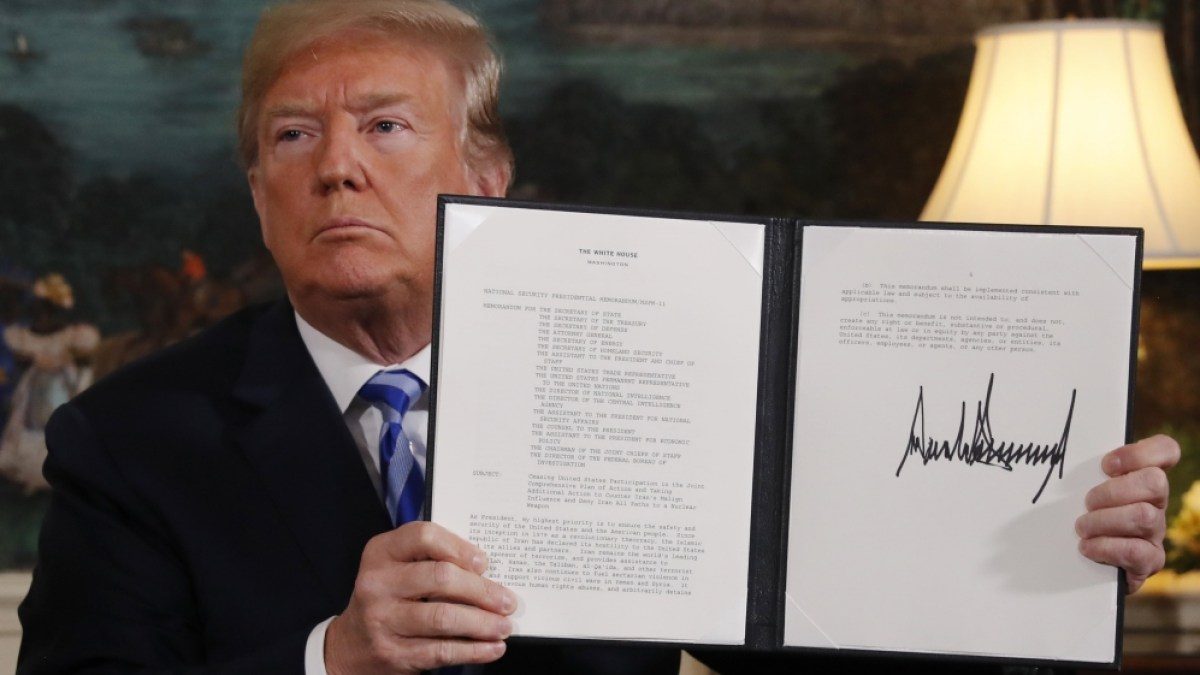
Despite numerous recent initiatives, negotiations between the United States and Iran consistently struggle to reach a lasting resolution. Analysts suggest that this failure stems not merely from the specifics of agreements but from profound psychological complexes rooted in decades of animosity between the two countries. These complexes form the bedrock of the diplomatic deadlock.
Highlights
- The diplomatic stalemate between the two nations is attributed to "psychological syndromes" arising from historical hostility.
- The US "embassy siege complex" demands Iranian concessions before any reciprocal action.
- Iran's "JCPOA withdrawal complex" leads to distrust in US commitments and a demand for binding guarantees.
- The only memorandum of understanding signed in Islamabad collapsed within days due to a lack of ceasefire in Lebanon.
- The dispute in negotiations has shifted from substantive content to the sequencing of steps.
Details
This syndrome between Iran and the US is composed of two primary complexes. The US complex was shaped by the 1979 siege of its embassy in Tehran, which, in the American consciousness, portrayed Iran as a state that disregards international norms and whose word cannot be trusted. Consequently, Washington believes Iran must concede before receiving anything in return.
Iran's complex, on the other hand, developed from a history of US hostility dating back to the 1953 overthrow of its nationalist government, culminating in President Donald Trump's withdrawal from the Joint Comprehensive Plan of Action (JCPOA) in 2018. Despite the International Atomic Energy Agency's (IAEA) confirmation of Iran's compliance, the US withdrawal and subsequent heightened demands solidified Iran's conviction that an American signature is unreliable and agreements can be overturned with a change in administration.
Recent negotiation attempts reveal that both sides operate under the influence of these complexes. The US expects prior steps from Iran, such as halting uranium enrichment and suspending its missile program, while Iran demands binding guarantees against future conflicts and the lifting of sanctions as preconditions. This dynamic suggests that both parties are trying to protect themselves from past experiences rather than bridging the trust gap.
Why it matters
This situation indicates that the diplomatic deadlock between the two countries has become a stable structure. While substantive differences may have narrowed, the trust deficit has deepened. Experts emphasize that overcoming this impasse requires the intervention of a third party capable of simultaneously addressing both complexes and guaranteeing both action and reciprocal action.