US Conducts Strikes on Iran's Qeshm Island Ahead of Midterm Elections
The US launched strikes against Iranian targets in the Strait of Hormuz, specifically Qeshm Island, just hours after President Trump indicated progress in negotiations with Tehran.
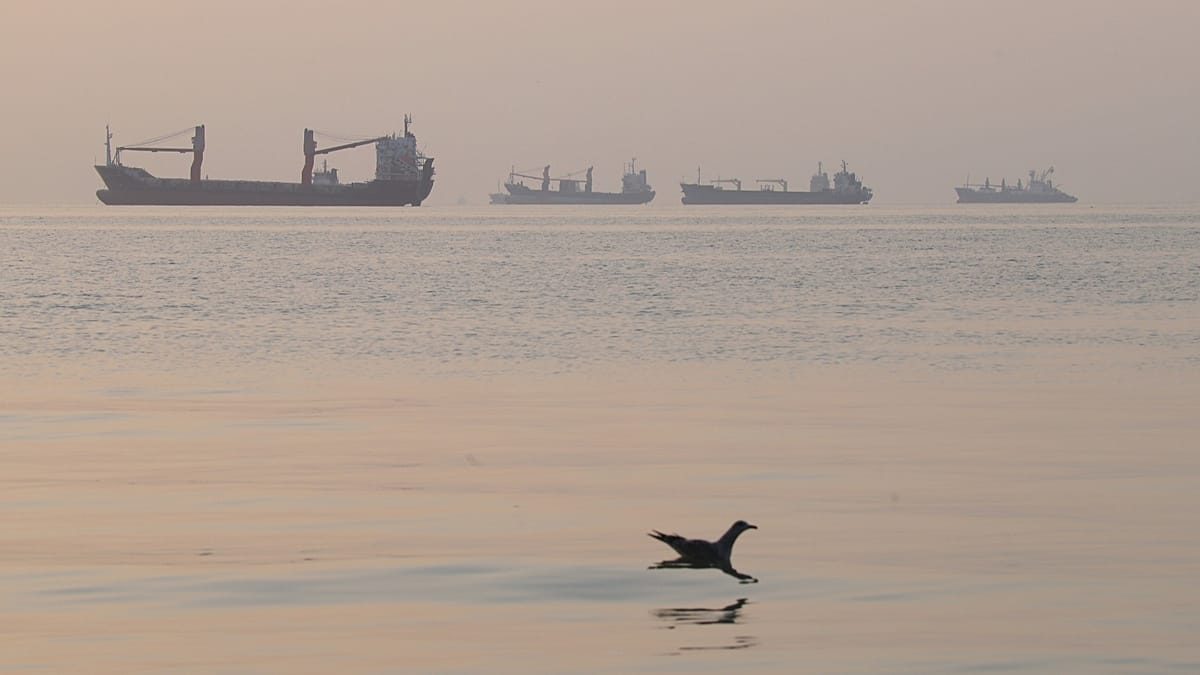
Highlights
- The United States executed what it termed "defensive strikes" against Iranian positions in the Strait of Hormuz.
- Iranian media outlets reported five separate explosions on Qeshm Island.
- These military actions occurred shortly after President Trump suggested advancements in diplomatic talks with Iran.
- US Vice President JD Vance expressed optimism regarding the potential for a negotiated resolution.
- Iran's Foreign Minister, Abbas Araghchi, confirmed ongoing indirect discussions with the US, facilitated by Qatar and Pakistan.
Details
A US official, speaking anonymously, characterized the strikes as a defensive measure aimed at "Iranians using surface-to-air missiles against US assets." This operation unfolded mere hours after President Donald Trump posted on Truth Social, stating, "Iran wants a settlement, as soon as possible. It could happen!" Vice President JD Vance further elaborated to reporters, conveying that both he and the President were hopeful about the possibility of reaching a diplomatic agreement.
Meanwhile, Iranian Foreign Minister Abbas Araghchi confirmed to state media that indirect negotiations with the United States were progressing through intermediaries. Araghchi noted the intensity of these discussions, citing "the sensitivity and gravity of the current situation." He also highlighted the "very active mediating role" played by Qatar and Pakistan in these ongoing talks.
Why it matters
These strikes occurred on the eve of the US midterm elections, where the Republican party is striving to maintain its majority in Congress. The military involvement in Iran has become a significant source of political disagreement and has played a part in the President's diminishing public support, as more Americans express disapproval of the conflict, particularly concerning its financial ramifications. Since the conflict began in late February, maritime traffic through the Strait of Hormuz, a crucial channel for approximately 20% of global oil shipments, has experienced considerable interruptions.