US-Iran Conflict: Truce Claims and Unresolved Core Issues
Despite US President Donald Trump's claims that the war with Iran is 'effectively over' militarily, experts state that core issues remain unresolved and tensions persist.
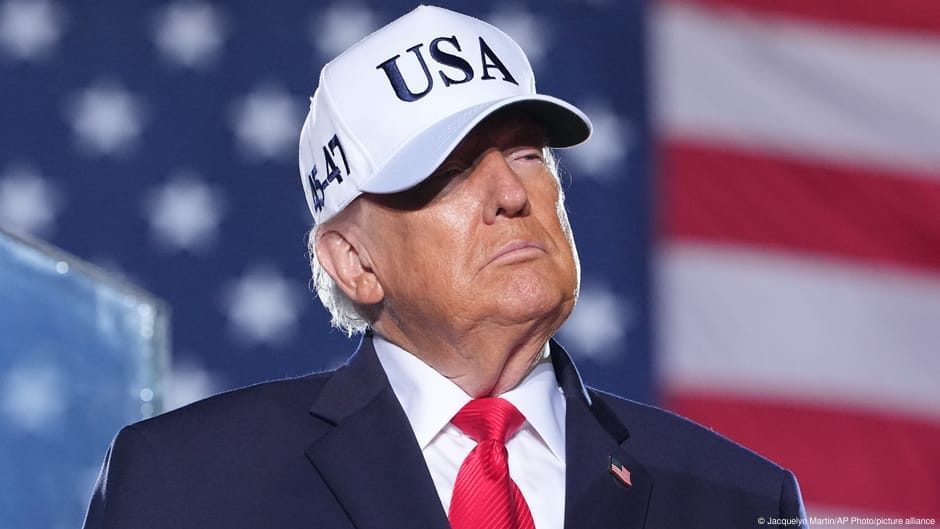
US President Donald Trump has declared that the war with Iran, which began almost nine months ago, is "effectively over" in a military sense. US Secretary of State Marco Rubio supported this view, stating that economic pressure and negotiations have proven effective, eliminating the need for major combat operations.
However, Mohsen Rezaei, Secretary of Iran's Supreme National Security Council, denied that any negotiations are taking place. Rezaei claimed that American assertions about ongoing talks are merely aimed at easing economic pressures and reducing oil prices.
Highlights
- US President Trump claims the war with Iran is "effectively over" militarily.
- Iranian officials deny ongoing negotiations, stating US claims aim to ease economic pressure.
- Former US Ambassador Ian Kelly describes the current situation as a "virtual ceasefire" but notes central issues are unresolved.
- Opening the Strait of Hormuz and US withdrawal of forces from the Gulf are key unresolved matters.
- US midterm election results, giving Democrats control of Congress, may impact war funding.
Details
Ian Kelly, a former US ambassador, characterizes the current situation as a "virtual ceasefire." While there has been a significant de-escalation, Kelly points out that core issues remain unresolved, such as the opening of the Strait of Hormuz and the withdrawal of US strike forces from the Gulf. Iran's previous attacks on commercial ships in the strait led to higher oil prices and other economic impacts globally.
The recent US midterm elections, which saw Democrats gain control of the House and Senate, represent a significant political shift. Kelly believes Iran is in a "wait-and-see" mode, anticipating that Congress might cut or severely limit funding for the war. However, Iran's resources are also dwindling, creating a "game of cat and mouse."
Why it matters
This situation holds significant implications for global energy markets and international diplomacy. The instability in the Strait of Hormuz continues to keep oil prices high and undermines market confidence. The unresolved conflict affects both US and Iranian economic and political interests. The issue is expected to be a major topic at upcoming APEC and G20 summits, as key oil consumers like China seek a resolution. The US goal of denying Iran a nuclear weapon versus Iran's determination not to negotiate away its nuclear program could be a primary source of future tension. Kelly suggests the US may need to resort to military force again to achieve its objectives, while the extent to which Iran can sustain the economic burden of the war remains uncertain.