Controversial New Members Appointed to US Preventive Services Task Force
US Health Secretary Robert F. Kennedy Jr. has appointed eight new members to a key task force that sets recommendations for preventive health services, raising concerns about the group's independence
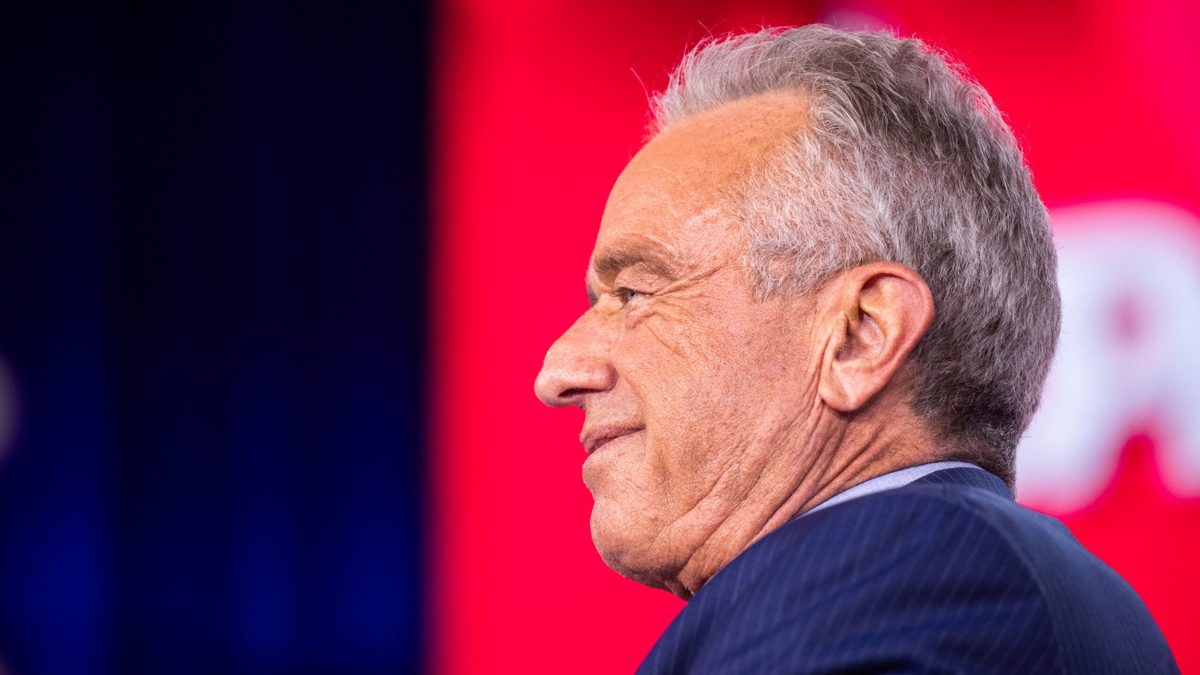
US Health Secretary Robert F. Kennedy Jr. has announced the appointment of eight new members to the US Preventive Services Task Force (USPSTF), a 16-person federal committee responsible for making evidence-based recommendations on preventive medicine services for Americans. These appointments have sparked controversy due to a significant departure from the task force's traditional composition and concerns that some members align with the Secretary's ideology.
The USPSTF's recommendations directly influence insurance coverage for a wide range of preventive services, from depression screening to colonoscopies. Health insurance providers are mandated to cover, at no cost, all preventive services that receive an A or B grade from the task force. Therefore, the independent and scientifically rigorous work of the USPSTF is of paramount importance.
Highlights
- Health Secretary Robert F. Kennedy Jr. appointed eight new members to the USPSTF.
- The new members are largely specialists, a shift from the task force's previous composition of generalist and primary care providers.
- Some new appointees have reportedly expressed critical views on COVID-19 vaccines and gender-affirming care.
- The President of the American Medical Association (AMA) called the new slate of members “a significant departure from the Task Force’s traditional membership.”
- The transparency of the new member selection process is being questioned, with nomination materials not made public.
Details
Kennedy had reportedly sidelined the USPSTF for over a year, canceling meetings and failing to appoint new members as terms expired. His dismissal of two leaders in May further fueled fears that the task force's independence would be compromised. Among the new appointees are specialists such as cardiologists, a gastroenterologist, and a radiologist, contrasting with the previous emphasis on generalist and primary care providers. This shift raises concerns about potential conflicts of interest influencing recommendations.
Several new members are said to share ideologies with Kennedy and the Trump administration. For instance, one member has criticized COVID-19 vaccines, and at least two have attacked gender-affirming care. Notably, one appointee is a health economist who previously served in the Trump administration, not a medical doctor. Furthermore, the USPSTF's policy on conflict of interest disclosures has been removed from its webpage, with a note indicating it is being updated.
Why it matters
The USPSTF's recommendations significantly impact millions of Americans' access to preventive health services and their insurance coverage. The task force's independence and ability to make scientifically sound decisions are crucial for public health. The controversial appointments and lack of transparency surrounding the selection process raise serious questions about the task force's credibility and the quality of its future recommendations. Organizations like the American Medical Association emphasize the importance of maintaining the task force's focus on primary care to ensure its recommendations remain grounded in clinical practice.