US Health Department Delays COVID-19 Vaccine Distribution for Children
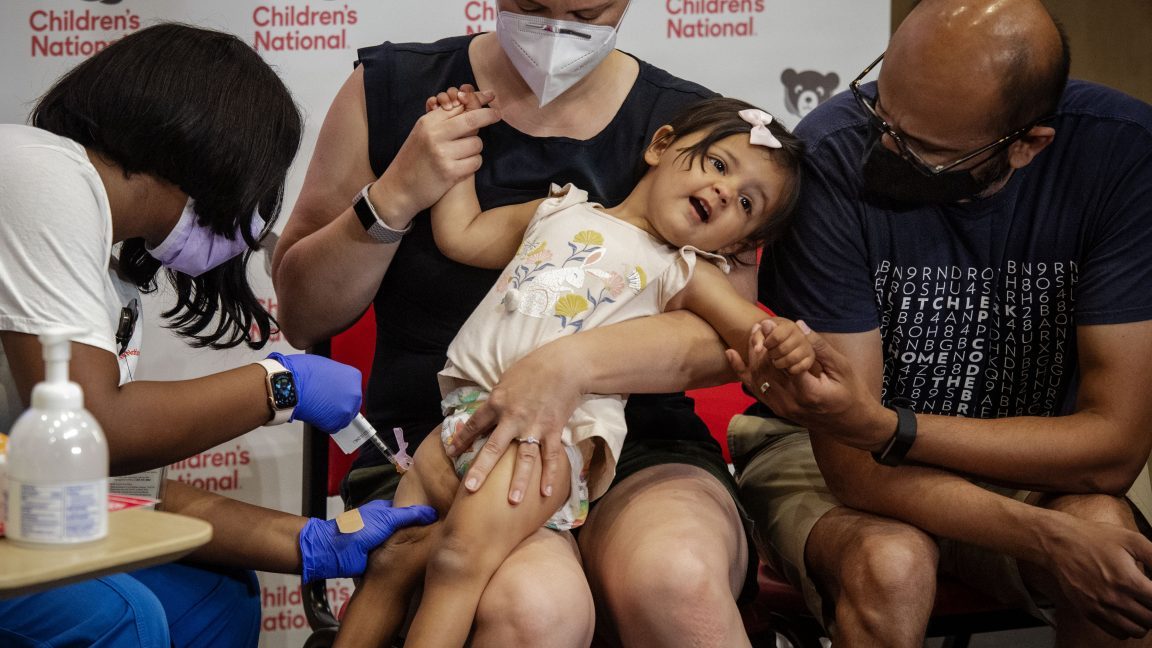
The U.S. Centers for Disease Control and Prevention (CDC) has unexpectedly delayed the distribution of COVID-19 shots, impacting over half of American children as the respiratory virus season approaches. This delay affects the federal Vaccines for Children (VFC) program, which provides no-cost vaccines to uninsured, underinsured, Medicaid-eligible, or Indigenous children, as well as some states.
Highlights
- The CDC typically allows states to order seasonal COVID-19 vaccines through the VFC program.
- Approximately 52 percent of all U.S. children are eligible for vaccines through this program.
- The Department of Health and Human Services (HHS) cited a need to ensure vaccine orders are "appropriate" but did not explain the delay.
- The current head of HHS, Robert F. Kennedy Jr., a known anti-vaccine activist, is seen as a central figure in the delay.
- Leading medical organizations strongly recommend COVID-19 vaccination, especially for infants aged 6-23 months.
Details
Normally, the CDC would facilitate the ordering of newly available seasonal COVID-19 vaccines by states through the VFC program. This program ensures that children who are uninsured, underinsured, Medicaid-eligible, or Indigenous people in the U.S. receive vaccines at no cost. Additionally, 11 states and one U.S. territory participate in a universal vaccine purchase program, acquiring all vaccines for children through VFC-related contracts. Demetre Daskalakis, former director of the CDC’s National Center for Immunization and Respiratory Diseases, noted that "The delay in VFC means delays in these states’ ability to get vaccine for all children."
In a statement, the Department of Health and Human Services (HHS) informed Ars Technica that "CDC has not yet finalized procurement decisions for COVID-19 vaccines through the Vaccines for Children and Section 317 programs." The department, currently led by Robert F. Kennedy Jr., an ardent anti-vaccine activist, declined to provide a reason for the delay. However, the statement suggested that HHS and CDC are committed to "ensuring that vaccines purchased through federally funded programs are appropriate for the populations those programs serve."
Why it matters
This unexplained delay could significantly impact public health, potentially leading to lower vaccination rates among children, especially the most vulnerable, as the respiratory virus season begins. Leading medical organizations, including the American Academy of Pediatrics, strongly recommend COVID-19 vaccination for infants aged 6 to 23 months, citing their high risk for severe disease. The academy highlighted that the hospitalization rate for infants aged 6 to 11 months during the 2024-2025 season was higher than that for adults aged 50-64 years. Hindering access to these vaccines could therefore have serious consequences for children's health.