US Senate Election Results Delayed in Mississippi and Alaska
Two US Senate races in Mississippi and Alaska remain undecided after the midterm elections, potentially impacting the Democratic majority.
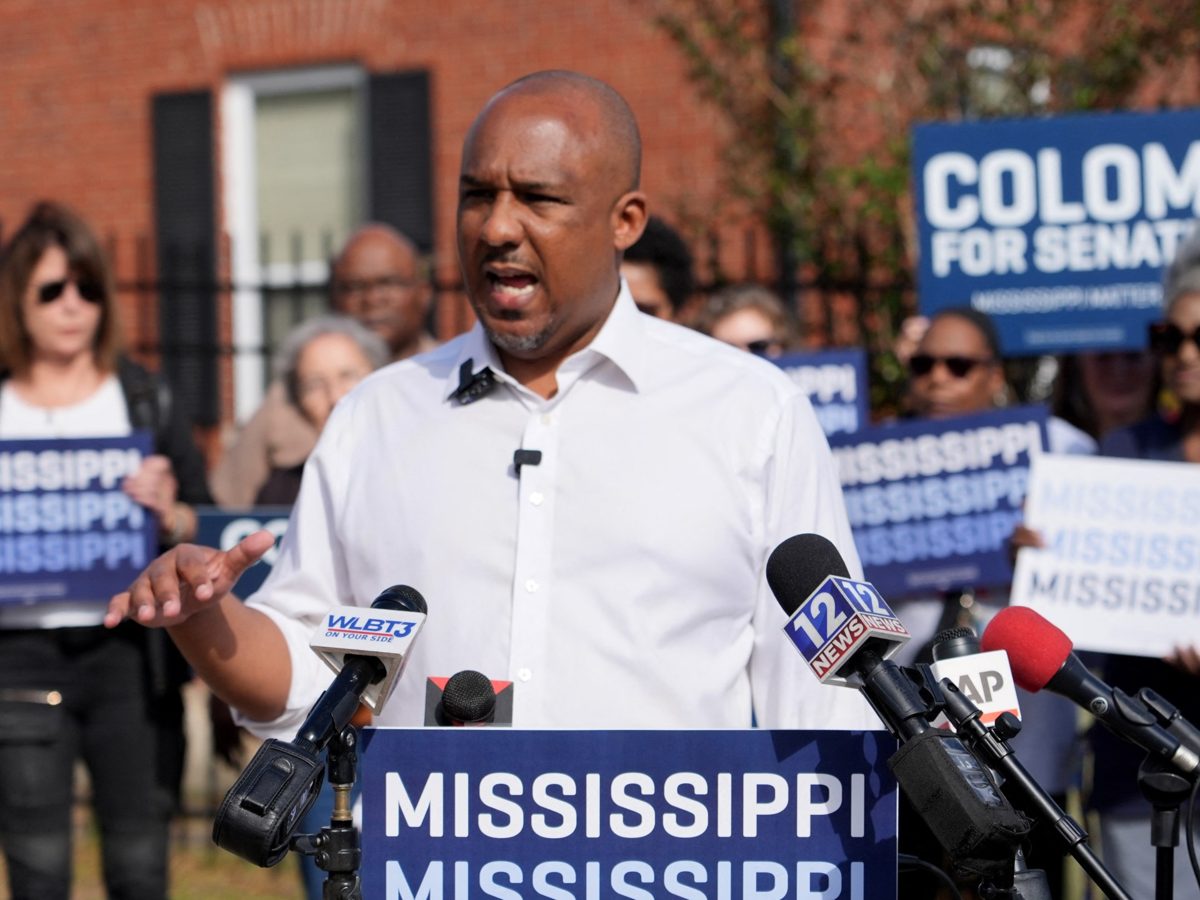
Following the recent midterm elections in the United States, the outcomes for two crucial Senate seats in Mississippi and Alaska are still pending. While Democrats have successfully regained control of both chambers of Congress, the tight contests in these two states will ultimately determine the size of their majority in the Senate.
In Mississippi, approximately 96% of the votes have been counted, yet the race remains too close to call. Meanwhile, Alaska's unique ranked-choice voting system and vast geographical distances are causing delays in the final tally. These unresolved races are significant as they could influence the Democrats' ability to navigate legislative processes and overcome Republican opposition.
Highlights
- Democrats have secured control of both the US House and Senate. However, the exact size of their Senate majority hinges on the results from two remaining states.
- The Mississippi Senate race is proving much tighter than anticipated. Incumbent Republican Senator Cindy Hyde-Smith and Democratic challenger Scott Colom are in a near dead heat.
- Alaska's ranked-choice voting (RCV) system is delaying the final results. This system allows voters to rank candidates by preference, often requiring multiple rounds of counting.
- A controversy involving two candidates named Dan Sullivan has plagued the Alaska race. Allegations suggest one was a 'plant' to siphon votes from the incumbent.
- Democrats have secured at least 54 seats in the 100-member Senate. Winning both Mississippi and Alaska would reduce their reliance on Republican defections to overcome the 60-vote threshold required to bypass a filibuster.
Details
In Mississippi, the contest between Republican Senator Cindy Hyde-Smith and Democratic challenger Scott Colom is extremely close, with both candidates holding around 49 percent of the vote. Several thousand provisional and mail-in absentee ballots are yet to be counted. Mississippi state law allows 10 days for provisional ballots to be processed and 5 business days post-election for mail-in ballots to be received. According to Secretary of State Michael Watson, approximately 3,600 mail-in ballots and an unknown number of provisional ballots are still outstanding. Counties have until November 13 to submit their certified results.
In Alaska, Democrat Mary Peltola holds a slim lead over Republican Dan Sullivan. The vast rural distances and the ranked-choice voting (RCV) system are expected to delay the final call for days or even weeks. Under RCV, if no candidate receives over 50% of the first-choice votes, the candidate with the fewest first-choice votes is eliminated, and their votes are redistributed to the voters' second choices. This process continues until one candidate achieves a majority. Alaska's Division of Elections will not publish the ranked-choice results until November 18.
Why it matters
The outcomes of these two Senate races will significantly impact how easily Democrats can advance their legislative agenda in the new Congress. A larger majority in the Senate would provide them with more flexibility to overcome the 60-vote 'filibuster' threshold required to pass legislation. Furthermore, the complexities of Alaska's ranked-choice voting system and the close results in Mississippi highlight the diverse and sometimes intricate nature of the US electoral process and its regional variations.