Africa's Green Revolution Threatens Traditional Foods
The promotion of monoculture crops in Africa is negatively impacting the production of more nutritious and climate-resilient traditional crops.
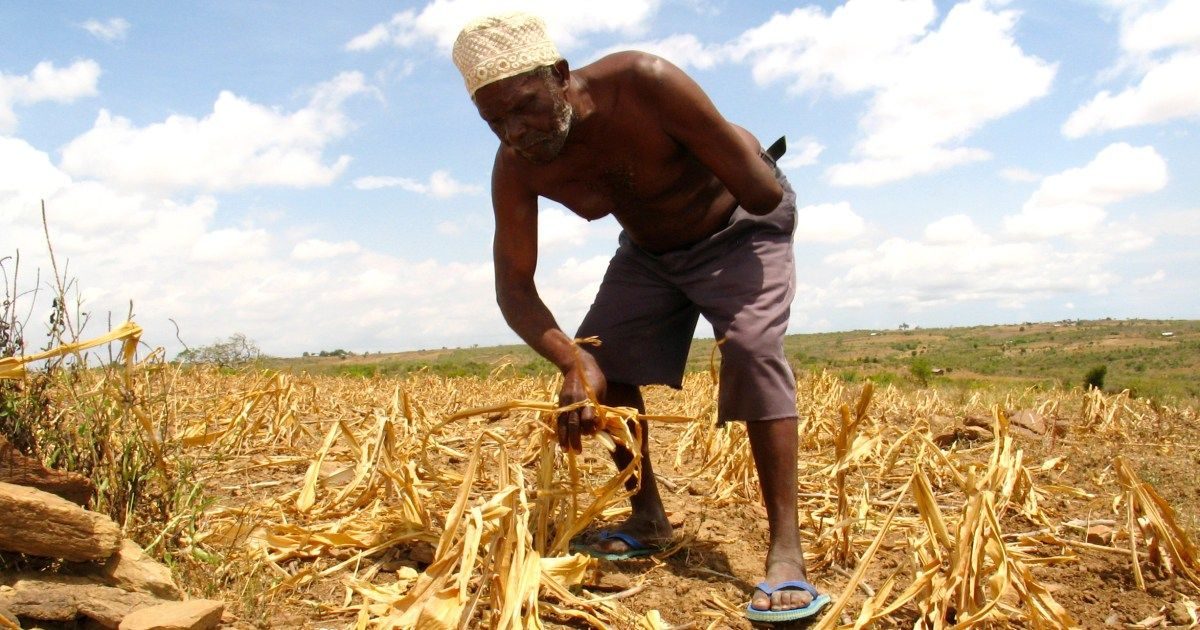
The agricultural development initiative AGRA (Alliance for a Green Revolution in Africa) is promoting monoculture farming practices that threaten the continent's traditional and nutritious crops. New research indicates that this approach, which supports the use of commercial seeds and fertilizers, has failed to deliver the promised "productivity revolution."
As AGRA celebrates its 20th anniversary, researchers and farmers are highlighting the negative impacts of its policies on African agriculture. The widespread promotion of single crops like maize is shrinking the cultivation areas for more resilient and nutritious local crops.
Highlights
- AGRA's (Alliance for a Green Revolution in Africa) promotion of monoculture farming is adversely affecting Africa's traditional and nutritious crops.
- The number of undernourished people in countries with significant AGRA presence has increased by approximately 60%.
- Maize yields grew by only 40% over 18 years, far below the 100% improvement promised by AGRA.
- Millet production has fallen by 27%, while maize production has more than doubled.
- Africa's traditional crops, which are more resilient to climate change and nutritious, are not receiving adequate support.
Details
Despite AGRA's slogan of "sustainably growing Africa's food systems," the heavily funded promotion of commercial seeds and fertilizers has not led to the expected increase in productivity. In countries where AGRA has a significant presence, the number of undernourished people has increased by about 60%, mirroring the continental average. This, combined with factors like climate change, desertification, and conflicts, exacerbates the hunger problem in Africa.
In countries participating in AGRA projects, crops like maize received billions of dollars in subsidies and investment. However, maize yields only grew by 40% over 18 years, significantly below AGRA's promised 100% improvement. During the same period, millet, a climate-resilient and nutritious grain, saw its production fall by 27%, while maize production more than doubled. Land allocated to millet decreased by 12%, whereas land for maize expanded by 71%.
Why it matters
Africa's traditional crops provide natural protection against climate change and form the basis of local diets. Crops like millet, celebrated as the "Year of Millets" by the UN Food and Agriculture Organization (FAO) in 2023, are known for their resilience to drought and heat. The promotion of monoculture leads to the loss of this diversity, making Africa more vulnerable to climate shocks and fluctuations in international food markets. Supporting farmers' rights to save, use, and develop their seeds is crucial for food security and the preservation of biodiversity.