Germany's State Elections Open: Far-Right's Rise and Chancellor Merz's Future at Stake
State elections in Berlin and Mecklenburg-Western Pomerania, Germany, could determine the rise of the far-right AfD and the political future of Chancellor Friedrich Merz.
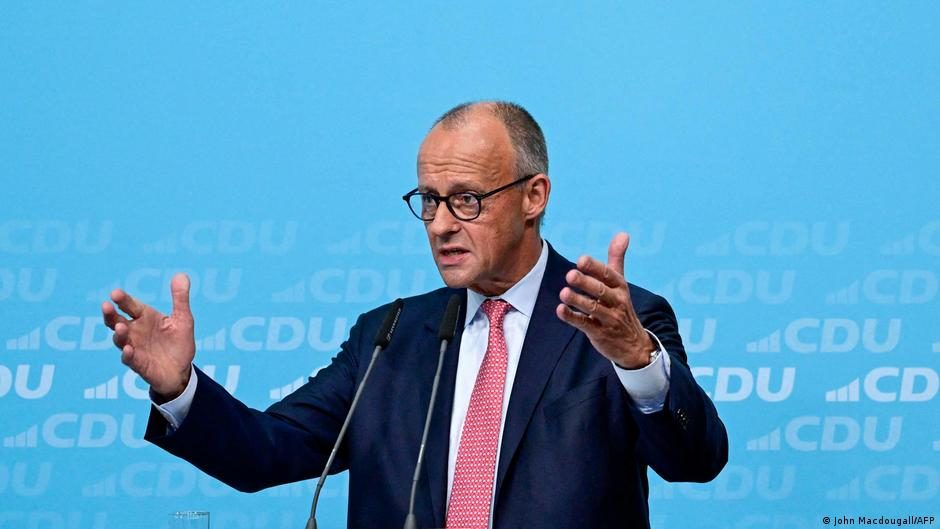
Polling stations have opened in the German states of Berlin and Mecklenburg-Western Pomerania for regional parliamentary elections. These elections have the potential to boost the far-right Alternative for Germany (AfD) party's power in the states and could significantly impact Chancellor Friedrich Merz's political future nationwide.
Highlights
- In Mecklenburg-Western Pomerania, the far-right AfD is leading the Social Democrats (SPD) with approximately 37% of the vote.
- In Berlin, the Christian Democratic Union (CDU) and the Left Party (Die Linke) are in a neck-and-neck race, with the AfD polling in third place.
- Chancellor Merz's CDU party is hovering just above the 5% parliamentary threshold in Mecklenburg-Western Pomerania, polling around 7%.
- Merz's national approval rating has fallen to 14%, while the AfD has surged to first place nationally with 27-29% in recent polls.
- The top concern for Berlin voters is the severe housing shortage and soaring rental costs, with rents having doubled since 2014.
Details
In Mecklenburg-Western Pomerania, the contest is between the Social Democrats (SPD), led by the popular Manuela Schwesig, and the far-right AfD. The AfD's lead with 37% of the vote presents a significant challenge for Schwesig, who has stated her mission is to push back against the party's advance, arguing it would harm the economy and social cohesion. The CDU's performance in this state is also critical; falling below the 5% threshold could intensify pressure on Chancellor Merz.
Berlin sees 17 parties competing. The city's housing crisis and high rental costs are the primary concerns for voters. Advertised rents have doubled since 2014, and the city needs 211,000 more homes by 2040. The Left Party is the only major party committed to acting on a 2021 referendum where 59% of Berliners voted for the government to take control of apartments from large landlords to protect rents. The AfD, meanwhile, uses the housing crisis to bolster its arguments for restricting immigration.
Why it matters
These state elections could lead to significant shifts in Germany's political landscape. The rise of the far-right AfD challenges traditional parties, while Chancellor Friedrich Merz's weakening position raises questions about the future of the coalition government. Although Merz insists he is committed to serving his full term, about half of Germans do not expect him to remain chancellor by the end of the year. The outcomes of these elections could mark the beginning of a new era in national politics.