German Parliament Approves 2027 Budget with Significant New Debt
Germany's Bundestag Budget Committee has approved the 2027 budget, which includes new borrowing exceeding **€210 billion**, marking the second-highest level in post-war history.
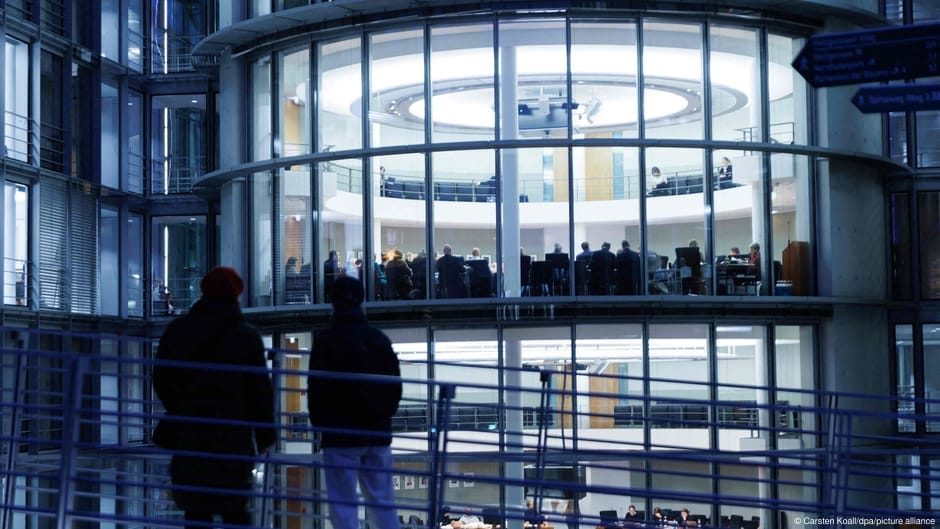
The Budget Committee of the German Federal Parliament (Bundestag) has approved the spending plans for 2027 after an overnight session. The proposed levels of new debt are the second highest in Germany's post-World War II history, surpassed only once during the peak of the COVID-19 pandemic. This decision is expected to fuel further discussions about the country's fiscal policy.
Highlights
- The Bundestag Budget Committee concluded a session lasting over 15 hours to finalize the 2027 budget.
- The budget includes new borrowing projected to exceed €210 billion.
- This level of debt marks the second-highest in Germany's post-war history.
- Only in 2021, at the height of the COVID-19 pandemic, was new debt slightly higher at €215.4 billion.
- New debt accounts for approximately one-third of the total spending plans.
Details
Members of the Bundestag budget committee worked late into the night and early morning to finalize the details of the federal government's spending plans for 2027. The session lasted over 15 hours, and while some politicians still see room for further improvements, the document is now in a form that can take effect without significant complications.
Including all spending plans, encompassing the core budget and the so-called "special funds" for infrastructure and military modernization, new debt constitutes about one-third of the total planned expenditures. The plan involves taking on new debt just over €210 billion (approximately $233 billion), while anticipating tax revenues of just under €400 billion.
This level of new debt is the second-highest in the post-war history of the Federal Republic of Germany. The only time new debt was slightly higher was in 2021, at the peak of the COVID-19 pandemic, when it reached €215.4 billion.
Why it matters
This budget marks a significant departure from Germany's long-standing commitment to fiscal prudence, often referred to as the "debt brake" and "black zero" policies. The substantial increase in borrowing underscores the government's perceived need to invest heavily in infrastructure and military modernization, as well as to manage ongoing economic challenges. It also reflects a shift in fiscal priorities, potentially setting a precedent for future budgets and impacting Germany's economic stability and its role within the Eurozone.