German State Elections Could Determine Chancellor Merz's Future
Local elections in two German states could significantly impact Chancellor Friedrich Merz's political future, with his Christian Democratic Union (CDU) party facing potentially challenging results.
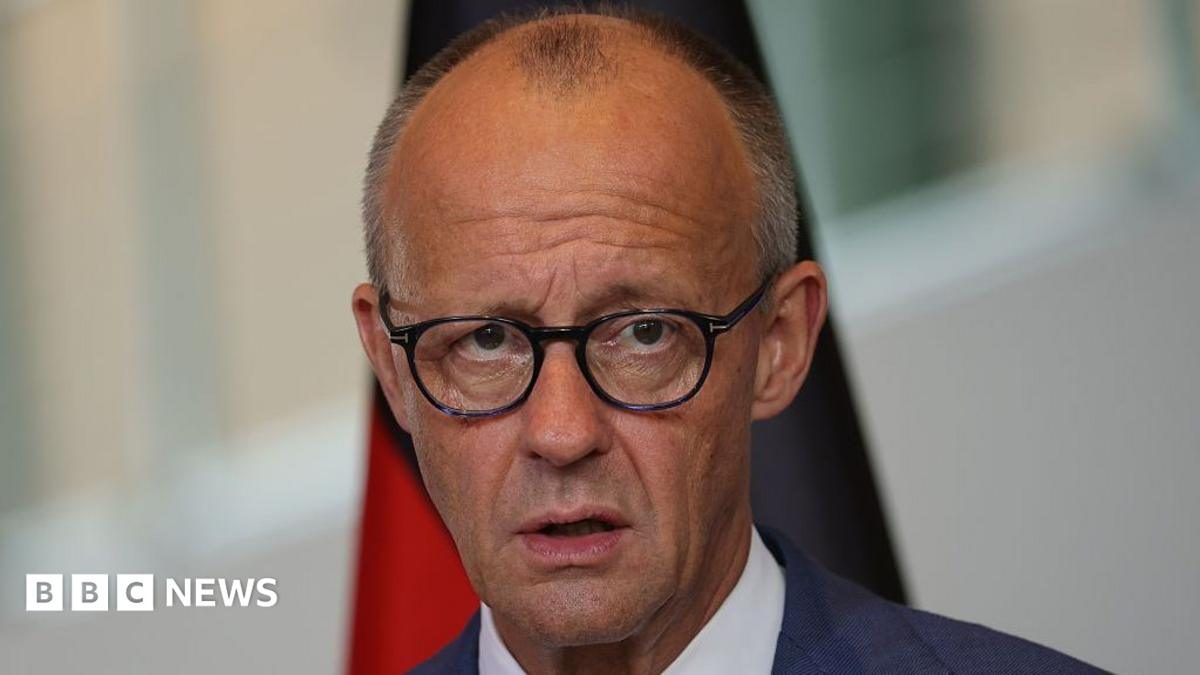
Local elections held in the German states of Berlin and Mecklenburg-Vorpommern could have a significant impact on the political future of Chancellor Friedrich Merz. Opinion polls suggest that Merz's Christian Democratic Union (CDU) is at risk of damaging defeats in these contests, which would further fuel speculation about the chancellor's tenure.
Highlights
- The state elections in Berlin and Mecklenburg-Vorpommern are crucial for Chancellor Merz and the CDU.
- Polls indicate the CDU could lose votes in both states, with the party barely hovering above the 5% threshold in Mecklenburg-Vorpommern.
- The far-right Alternative for Germany (AfD) party aims to build on its recent landslide victory in Saxony-Anhalt.
- Merz's declining popularity is intensifying discontent within his party, with some members hinting at a leadership change.
- Merz remains committed to pushing through a package of economic, tax, and welfare reforms planned for parliamentary debate this autumn.
Details
Chancellor Friedrich Merz, despite being in power for just 16 months, is grappling with his party's plummeting popularity and the rise of the far-right AfD. Following the CDU's vote being halved in Saxony-Anhalt, speculation about Merz's future has intensified. In Berlin, the CDU risks losing power, while in Mecklenburg-Vorpommern, it is reportedly just above the 5% threshold required to enter the state parliament, potentially marking its worst-ever state election result.
The AfD, which has some factions designated as right-wing extremist by domestic intelligence (a claim it rejects), has found fertile ground for its anti-immigration, Russian-friendly, Germany-first agenda, particularly in the country's former communist east. Merz's shift to the right on issues like immigration has failed to erode AfD support and has alienated voters further to the left. His blunt communication style, including dismissing 'work-life balance' and urging Germans to work more, has also caused irritation.
Voices within the CDU suggest Merz is out of touch with the public and lacks communication skills. Martin Rohloff, a CDU candidate in Neubrandenburg, believes Merz lacks the "Fingerspitzengefühl, the feeling for the small persons." Rohloff mused, "Maybe he wants the right things, but he cannot communicate well." When asked if Merz should step down, Rohloff responded, "If I have to answer yes or no, I would say yes. There are other people who maybe have better feelings for the public."
Why it matters
These elections could mark a critical turning point for Germany's political landscape. The questioning of Merz's leadership could also impact Germany's stance on the international stage. As a staunch supporter of Ukraine, Merz's potential downfall could trigger further instability in a continent already rocked by warnings of increased Russian aggression. The country's long-stuttering economy, high energy costs, and fraught debates about immigration are feeding a sense of national gloom, and these elections will reflect public sentiment towards these challenges.