EU Prosecutors Still Have Questions for Von der Leyen Over Pfizer Vaccine Deal
The European Public Prosecutor's Office (EPPO) has reportedly made little progress in its investigation into European Commission President Ursula von der Leyen's negotiations with Pfizer CEO Albert Bo
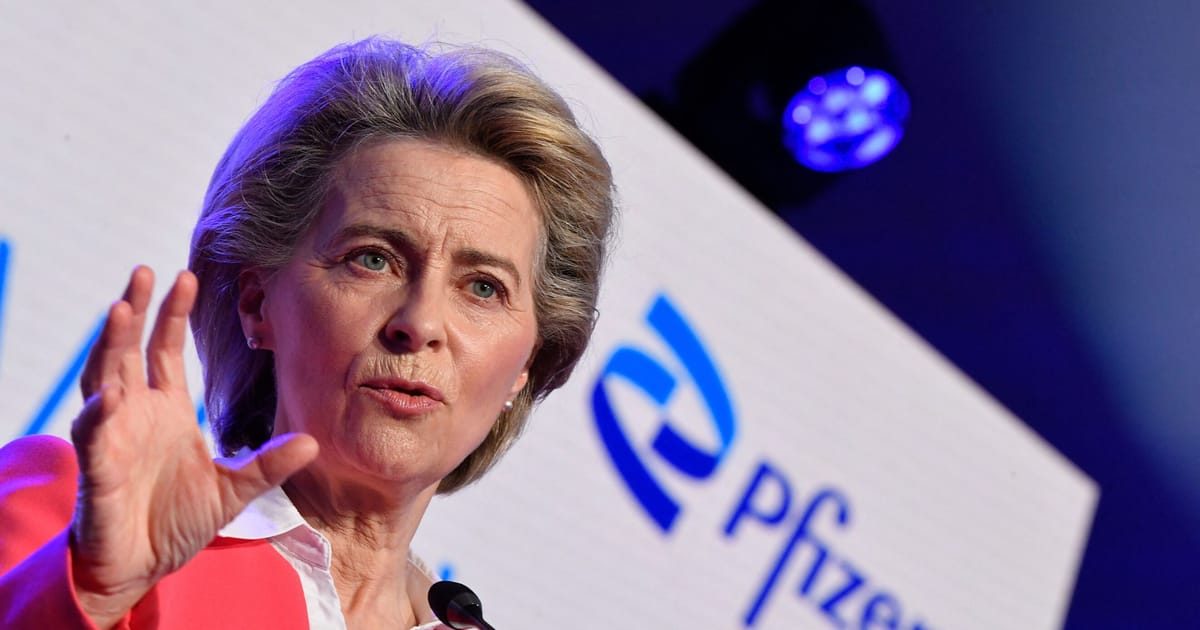
The European Public Prosecutor's Office (EPPO) has reportedly made little demonstrable progress in its investigation into European Commission President Ursula von der Leyen's negotiations with Pfizer CEO Albert Bourla concerning the procurement of COVID-19 vaccines. It has been noted that von der Leyen has not yet provided an in-person statement since the probe began.
The EPPO took over the Belgian-led investigation in 2024, which alleges "interference in public functions, destruction of SMS, corruption, and conflict of interest" against von der Leyen. A Commission spokesperson stated that the Commission has extensively cooperated with the EPPO and that the President has always been very cooperative.
Highlights
- EPPO has not yet received an in-person statement from Ursula von der Leyen regarding the Pfizer COVID-19 vaccine deal investigation.
- The probe involves allegations of "interference in public functions, destruction of SMS, corruption, and conflict of interest."
- EPPO Chief Prosecutor Laura Codruța Kövesi indicated difficulties in obtaining statements from some high-profile officials.
- Kövesi highlighted that EPPO faces challenges due to underfunding and bureaucratic obstacles.
- Similar difficulties were reported in investigations involving certain members of parliament in Greece.
Details
In an interview marking the end of her seven-year tenure, EPPO Chief Prosecutor Laura Codruța Kövesi revealed that some EU officials have refused to respond to summons from her office. Kövesi stated, "Some politicians think that they are above the law," adding that the EPPO faces difficulties in exercising its competence, especially when important individuals are involved. However, she declined to comment on whether von der Leyen was among these officials.
Kövesi cited three main factors undermining EPPO's work: chronic underfunding, delays in revising its legal framework, and the complexity of its bureaucratic architecture, which she said complicates prosecutors' lives and threatens the institution's independence. She also mentioned similar challenges in Greece, where the government allegedly tried to block EU prosecutors from investigating lawmakers in a farm funding scandal.
Why it matters
This investigation is significant because it involves one of the European Union's highest-ranking officials facing serious questions about transparency and accountability in major vaccine procurement deals during the COVID-19 pandemic. The EPPO's ability to maintain its independence and effectively combat corruption is a critical indicator of the EU's commitment to the rule of law.