Europe's Centrist Parties Are Facing the Consequences of Their Extremism
Centrist parties' rigid adherence to austerity policies in Europe is devastating societies and fueling the rise of the far-right.
Across Europe, centrist parties' unwavering commitment to austerity measures is causing profound damage to societies, with significant political repercussions. From Germany to France and the United Kingdom, centrist parties are experiencing declining popularity, while far-right movements gain traction.
Highlights
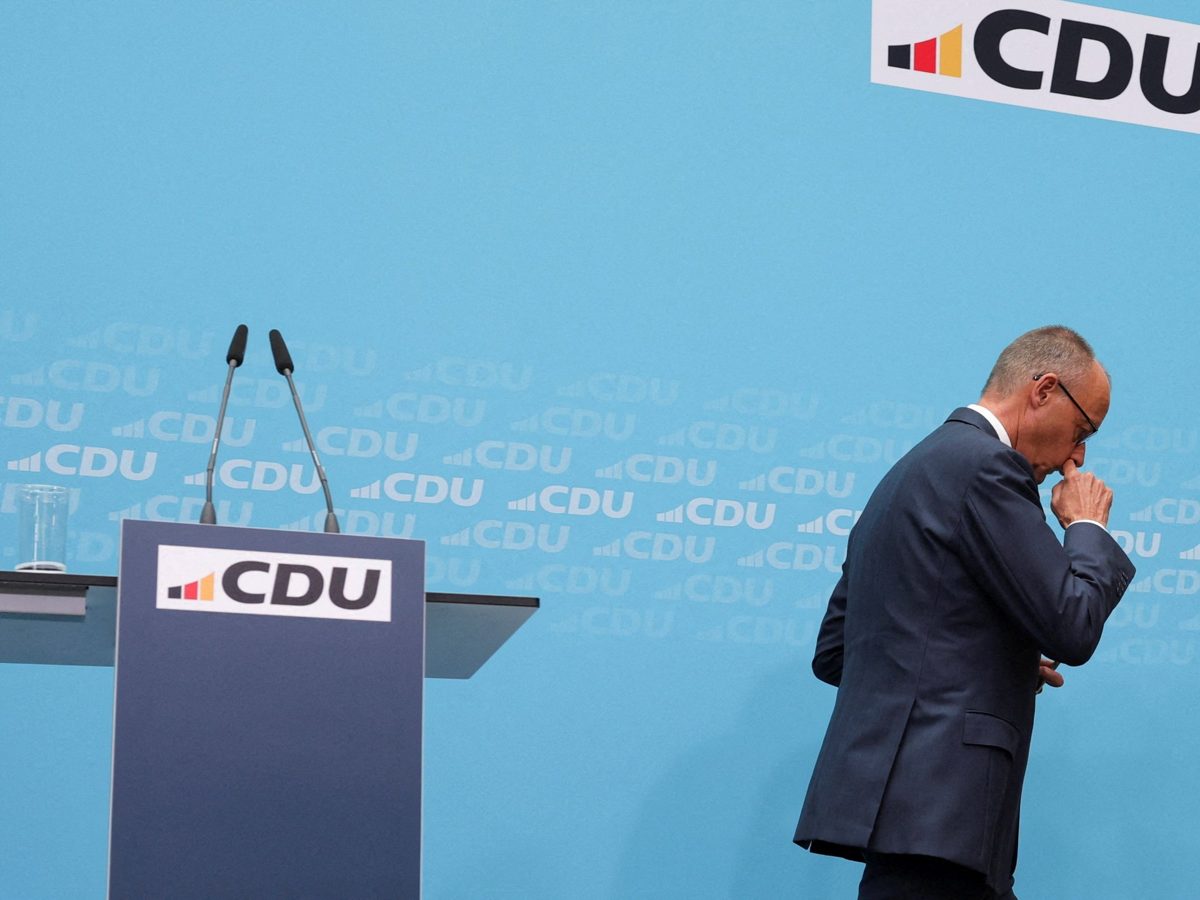
- German Chancellor Friedrich Merz's Christian Democratic Union (CDU) is seeing record low approval ratings after poor state election results.
- French President Emmanuel Macron's centrist policies are pushing France towards a potential far-right presidency.
- In the UK, the centrist Tory-Labour duopoly's austerity policies have deepened inequality and increased public discontent.
- Former Greek Finance Minister Yanis Varoufakis describes witnessing the "financial terrorism" of European centrists during 2015 negotiations.
- Centrist parties' intolerance of dissenting views and attempts to remove economic policy from electoral influence are being labeled as extremism.
Details
In Germany, Chancellor Friedrich Merz's Christian Democratic Union (CDU) is facing record low approval ratings less than a year and a half into his term. The party's significant losses in state elections are accelerating its decline nationwide, while the far-right Alternative for Germany (AfD) is gaining popularity, particularly among younger voters. This situation is leading to a re-evaluation of the centrist politicians' image as "moderate technocrats."
In France, President Emmanuel Macron's centrist policies have brought the country to the brink of a far-right presidency. Macron's decisions, such as tax breaks for the wealthy and raising the retirement age to 64, have sparked widespread public backlash. In the United Kingdom, austerity policies, which began during Margaret Thatcher's Conservative government, continued under Tony Blair's Labour administration, exacerbating inequality and making public services less accessible to many.
Why it matters
The long-standing austerity measures and intolerance of dissenting opinions by Europe's centrist parties are contributing to political instability across the continent. This, combined with economic stagnation and deindustrialization, creates fertile ground for the rise of far-right parties, posing significant risks to Europe's future. The "extreme" approaches of these centrist parties have the potential to weaken democratic processes.