Foreigners Excluded from Berlin State Elections: A Quarter of Residents Disenfranchised
A quarter of Berlin's residents, approximately 976,000 adults, are unable to vote in the upcoming state elections due to lacking German citizenship, marking the highest proportion of excluded resident
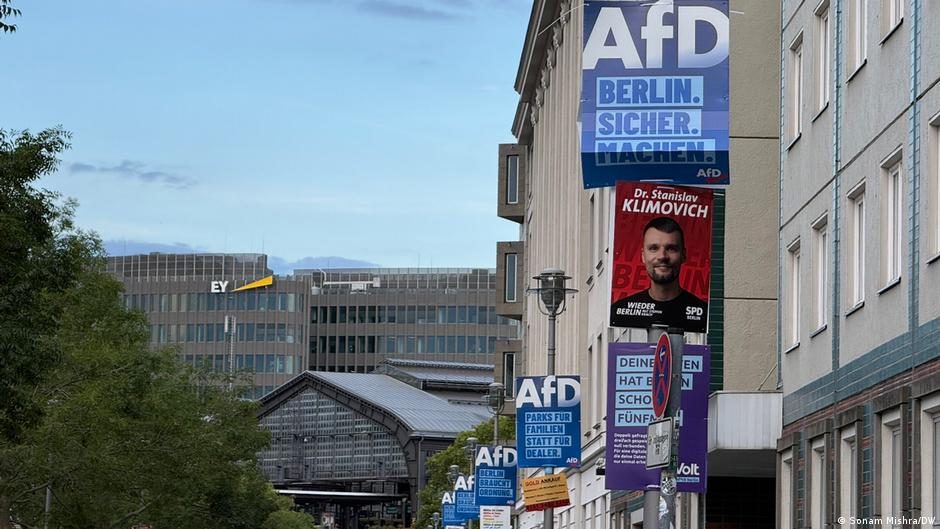
In Berlin, a significant portion of the population will be unable to cast their votes in the state elections scheduled for September 20. This is because approximately 976,000 adults, representing a quarter of the city's residents, do not hold German citizenship. This number has doubled since 2011, making it the highest proportion of residents excluded from the election yet.
Highlights
- Foreigners residing in Berlin cannot vote in state elections due to a lack of German citizenship.
- Approximately 976,000 adults, a quarter of the city's 3.9 million population, are disenfranchised.
- This figure has doubled since 2011, marking the highest exclusion rate to date.
- Non-German residents express frustration, citing taxation without representation, even at the local level.
- Unlike municipal elections, state elections in Germany do not grant voting rights to EU citizens.
Details
As Berlin is one of Germany's 16 federal states, its elections are classified as state elections. This distinction means that while EU citizens can vote in municipal elections, they are barred from participating in state elections without German citizenship. Many foreign residents, like software developer Abdu, find this frustrating. Despite enjoying Berlin's culture, he is unable to influence the government on issues like rising rents or bureaucracy. Abdu states, "We are people who pay taxes, but we don't have any representation at all, even on local level."
Stefanie Remlinger, the Green Party mayor for the Mitte district, organized a "symbolic election" for non-Germans in her area to raise awareness about voting rights for all. She highlighted Mitte as a diverse district with an international population, emphasizing the importance of valuing their opinions. However, participation in a non-binding election is expected to be low.
Why it matters
Germany faces a projected shortage of approximately 440,000 workers by 2029. The lack of political participation among skilled foreign residents, coupled with tightening citizenship rules and a shift towards more anti-immigrant sentiment in the political climate, could lead to qualified individuals leaving the country. This situation presents significant demographic and economic challenges, creating a paradox for a cosmopolitan city like Berlin.