UN Report Suggests US Boat Strikes May Be 'Crimes Against Humanity'
A UN report states that US attacks on suspected drug-smuggling vessels in the Caribbean and Eastern Pacific are illegal and could be 'crimes against humanity'.
Highlights
- A United Nations report has labeled US maritime interdictions targeting suspected drug traffickers as illegal and potentially constituting "crimes against humanity."
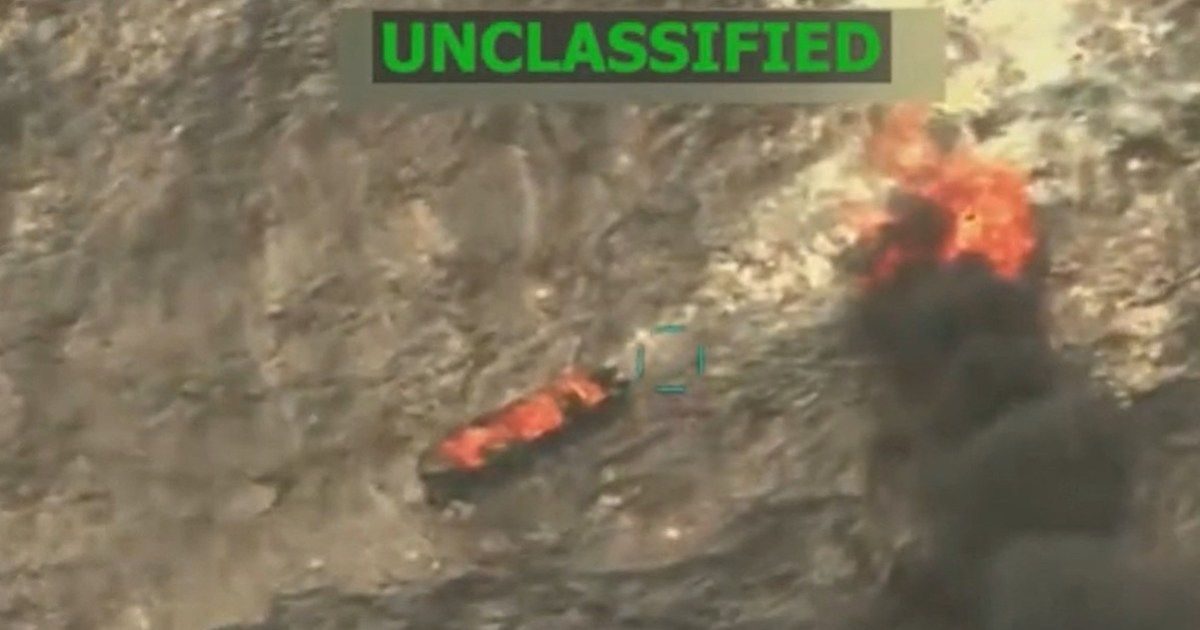
- The report details that 68 such operations between September of last year and August resulted in at least 223 fatalities, involving a disproportionate use of force.
- The US justifies these actions as a necessary military response to prevent the flow of illicit drugs into the country, framing drug shipments as an "armed attack."
- However, the UN Special Rapporteur asserts that drug trafficking does not equate to a military assault, and there is no evidence to support the US's claims of an armed attack.
- The US's non-membership in the International Criminal Court (ICC) complicates the prosecution of those responsible for potential "crimes against humanity."
Details
UN Special Rapporteur Ben Saul's report, released on Monday, concluded that the US operations are not justified under either national or international law. He characterized these actions as "serial extrajudicial killings," violating the fundamental right to life. Saul explicitly stated that drug trafficking, while a serious crime, is not equivalent to a military attack. Furthermore, the report found no evidence that the targeted vessels had launched an armed attack against the US or were acting as proxies for other nations, which would be necessary to legitimize a military response.
The report also raised questions about the lawfulness of the US-led operation in January that resulted in the capture of former Venezuelan President Nicolás Maduro, during which 75 people died. Additionally, it scrutinized collaborations with Latin American countries under the Trump administration's "Shield of the Americas" initiative, which aimed to broaden US anti-drug efforts across the region. Michael Vigil, former head of international operations for the US Drug Enforcement Administration, was quoted by Al Jazeera, calling these actions "murder" that "shocks the moral conscience."
Why it matters
This UN report raises significant concerns regarding the boundaries of international law and state actions undertaken in the name of combating illicit drug trade. The designation of these incidents as potential "crimes against humanity" implies that the killings were systematically carried out as part of a state or organized group's plan, representing exceptionally grave offenses. The fact that the United States is not a signatory to the International Criminal Court poses a significant hurdle for international prosecution and for victims seeking justice. The report also indicates the ineffectiveness of these maritime strikes in preventing cocaine from reaching the US, noting that most drugs enter the country via container ships and overland routes from Mexico. The lack of accountability mechanisms for such serious allegations underscores the challenges in upholding international human rights standards. These events highlight the ongoing debate surrounding the legality and ethics of aggressive anti-drug strategies. The report calls for internal investigations and accountability for commanders involved in these operations.