Boko Haram and ISIS Supporters Allegedly Using AI for Bomb Making and Attack Planning
New research and exclusive materials suggest Boko Haram fighters and ISIS supporters are leveraging AI chatbots for bomb construction, attack planning, and bypassing security measures.
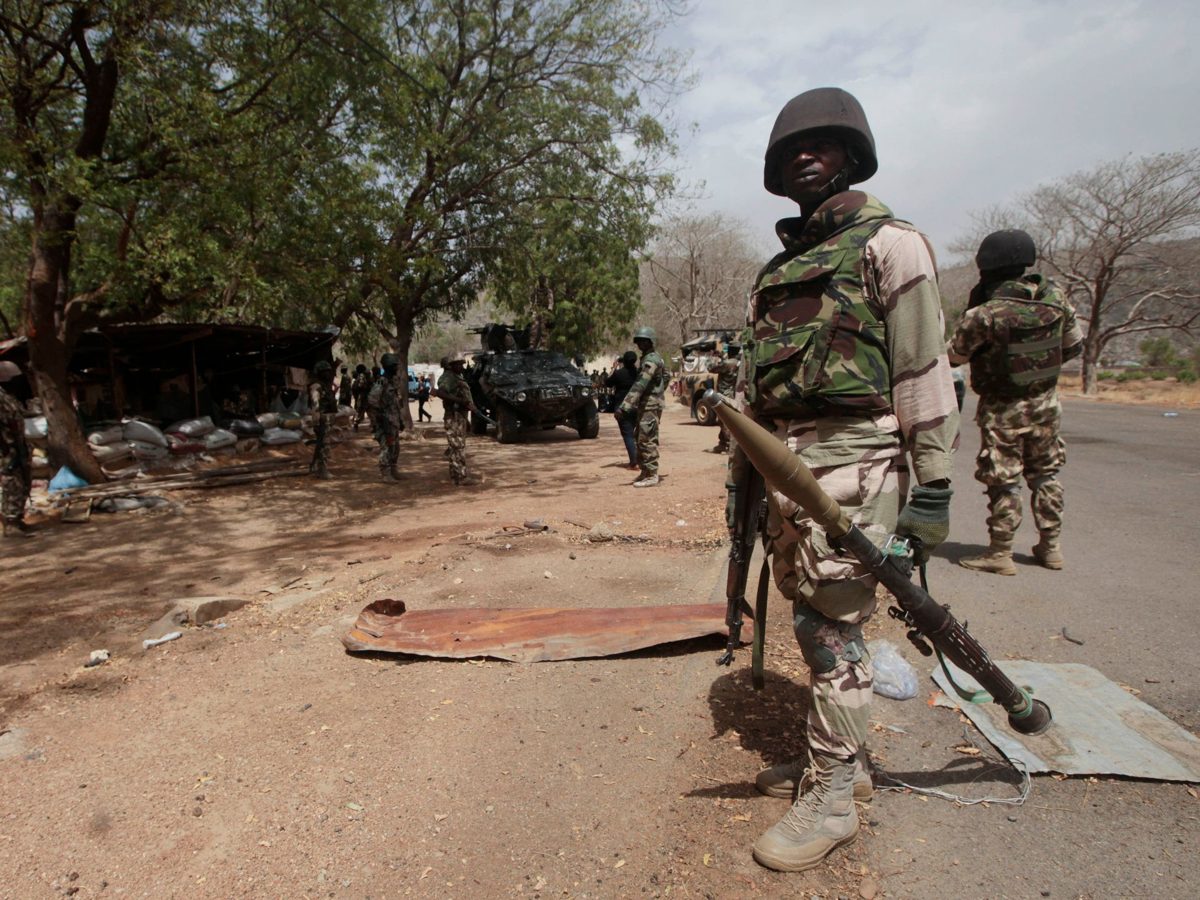
New research from the University of Cambridge and exclusive materials obtained by Al Jazeera allege that Boko Haram fighters and supporters of ISIS (Islamic State) are utilizing artificial intelligence (AI) chatbots from major tech companies to assist in bomb making, planning attacks, and solving problems during combat.
Highlights
- Interviews with 27 former members of Boko Haram's two factions (ISWAP and JAS) indicated that AI use was a routine source of technical and military advice.
- Former fighters reportedly used platforms such as OpenAI's ChatGPT, Anthropic's Claude, Google's Gemini, Elon Musk's Grok, Mark Zuckerberg's Meta AI, and China's DeepSeek.
- Exclusive material obtained by Al Jazeera reveals ISIS supporters sharing instructions on how to bypass AI safety controls.
- ISWAP and JAS allegedly established dedicated AI units staffed by individuals with specialized operational knowledge, including engineers and bomb specialists.
- One former commander stated, "'How can I build a bomb?' and then it tells you how. It is like a human robot. We used it a lot."
Details
According to the Cambridge research, operatives traveled to ISWAP-controlled territory to train senior members on AI usage. Fighters were gathered around laptops and projectors and taught how to query chatbots and circumvent safeguards designed to prevent them from answering dangerous requests. Former fighters indicated that this training originated from the wider ISIS movement, with trainers providing laptops equipped with privacy and encryption tools.
The research suggests that AI use extended beyond occasional individual fighter queries. Both ISWAP and JAS reportedly established specialized AI units comprising individuals with expertise such as bomb makers and weapons specialists. These units were used to answer questions, analyze information, and train senior commanders. Bomb makers were also said to keep laptops nearby, consulting chatbots whenever they encountered problems during the assembly of explosive devices.
AI was also reportedly used to extract explosive material from unexploded military ordnance, adapt commercially available drones to carry and drop explosives, and even analyze battlefield situations to devise new tactics. In one instance, fighters consulted AI on how to operate unfamiliar weapons and sought guidance from AI to overcome trenches dug by government forces to impede motorcycle assaults.
Why it matters
These findings emerge amidst growing concerns over ISIS's adoption of emerging technologies. United Nations officials have previously warned the Security Council about the increased use of advanced AI by ISIS and its affiliates. The rapid advancement of AI systems, outpacing safety measures, raises concerns that armed groups could more easily exploit this technology. While major AI companies state they have safeguards to prevent such misuse, researchers highlight the possibility of bypassing these restrictions, underscoring the need for more robust regulation as AI becomes more powerful.