Bosnia Holds Complex General Elections Amid EU Bid and Ethnic Divisions
Bosnia and Herzegovina held general elections to elect numerous national and regional officials, reflecting the country's intricate political structure.
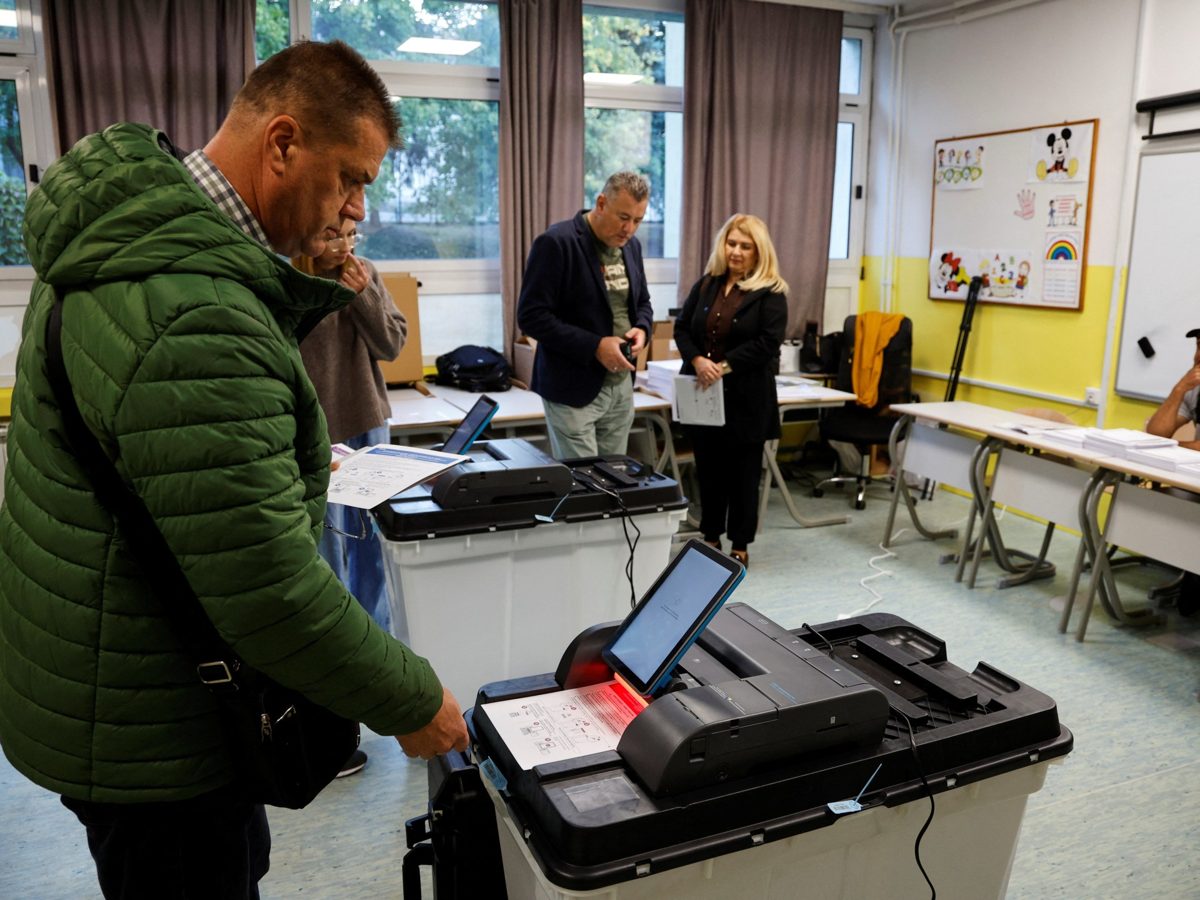
Bosnia and Herzegovina has conducted general elections to select a multitude of officials across various government tiers. Approximately 3.4 million voters cast their ballots for the three members of the country's multiethnic presidency, national parliamentarians, and heads of institutions for its two entities: the Federation of Bosnia and Herzegovina and Republika Srpska. These elections are expected to significantly influence the country's European Union membership aspirations.
Highlights
- Voters elected a complex array of officials at both national and regional levels.
- The elections operate within the intricate governance framework established by the 1995 Dayton Peace Agreement.
- Some voters and activists expressed frustration over political parties' continued focus on war-era rhetoric.
- The European Union demands stronger anti-corruption laws and judicial reforms from Bosnia and Herzegovina.
- New electronic tools, including ballot paper scanning and biometric fingerprint verification, were used to reduce election fraud.
Details
Bosnia and Herzegovina's intricate governance structure was established by the US-brokered peace agreement in 1995, following the 1992-95 war. This framework aims to manage ethnic divisions among Muslim Bosniaks, Orthodox Serbs, and Catholic Croats. Some politicians, like former Republika Srpska president Milorad Dodik, advocate for the secession of Republika Srpska, claiming the country is "impossible."
In the Federation of Bosnia and Herzegovina, Bosniak parties push for a stronger central state, with incumbent Bosniak presidency member Denis Becirovic pledging a renewed path towards the EU and NATO. Croat nationalist parties, meanwhile, seek electoral reform, demanding a greater say in choosing the Croat member of the presidency within the entity they share with the more numerous Bosniaks.
The EU granted Bosnia candidate status in December 2022. However, accession negotiations scheduled for 2024 were delayed as Brussels requested stronger anti-corruption laws and judicial system reforms. Russia is also accused of slowing the country's path to EU membership while maintaining close ties with parties that favor secession for Republika Srpska.
Why it matters
These elections are critically important for Bosnia and Herzegovina's future political direction and its integration process with the European Union. The country's ethnically based political divisions and complex governance system complicate the implementation of reforms. The election outcomes could also impact regional stability and the EU's enlargement policies in the Balkans. The introduction of new electronic tools is seen as a significant step towards enhancing election security.