Cloud Seeding Technology Explored as a Solution for Water Scarcity
Cloud seeding, a method to boost rainfall, is gaining attention with new technologies like drones, especially in drought-stricken regions.
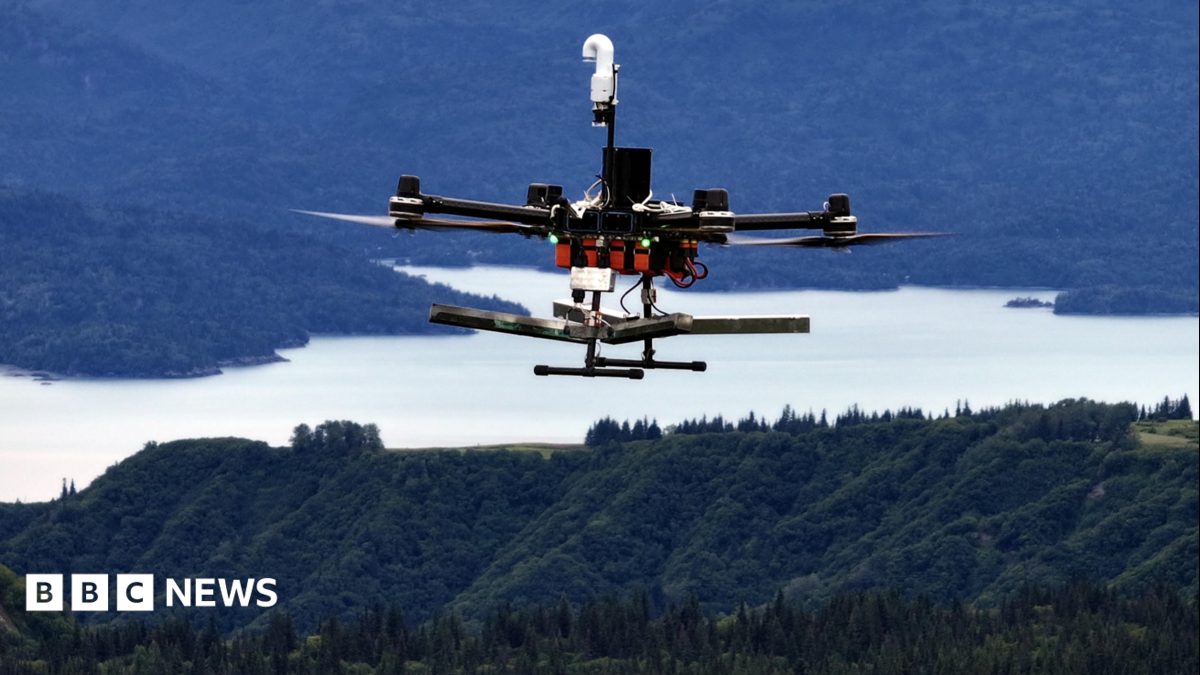
Rainmaker, a San Francisco-based startup, claimed to have produced 19 million US gallons of water in three hours through a cloud-seeding experiment in Homer, Alaska, on August 23. This technology aims to accelerate rainfall by dispersing compounds like silver iodide into clouds.
Highlights
- Rainmaker company reported significant rainfall generation through cloud seeding in its Alaska experiment.
- Cloud seeding is an over 80-year-old weather modification technique involving planes or drones dispersing chemical agents into clouds.
- Environmental activists have raised concerns regarding the safety and environmental impact of the chemicals used.
- The United Nations highlights a global freshwater crisis, with consumption outpacing replenishment.
- New startups are developing safer, biodegradable alternatives to silver iodide for cloud seeding.
Details
Cloud seeding works by speeding up the natural process of water vapor condensing into ice crystals within clouds, which then fall as rain or snow. This method is most effective in ideal conditions, such as mountainous or cold regions. However, Cooper Freeman, Alaska director of the Center for Biological Diversity, expressed concern that Homer residents were not widely alerted to these experiments and questioned the safety of the silver iodide used for both residents and their habitat. "It doesn't appear that there was any downstream monitoring to verify that this silver iodide didn't impact the environment," he stated.
Augustus Doricko, founder and CEO of Rainmaker, addressed chemical safety concerns, stating that his company releases 20 grams of silver iodide per flight, distributed across thousands of square kilometers. He emphasized that this concentration is well below the threshold set by the US Food and Drug Administration (FDA). Rainmaker utilizes drones equipped with silver iodide flares, which atomize water particles into a size small enough to remain suspended in freezing clouds, eventually forming crystals and then rain.
According to Jon Meyer, an assistant state climatologist with the Utah Climate Center, cloud seeding can increase precipitation by about five to ten percent under the right conditions. A landmark 2017 study provided encouraging evidence, observing silver iodide's effectiveness in action using radar and precipitation gauges. Companies like Recast Systems are now exploring alternatives to silver iodide, such as a protein made from amino acids found in soil. CEO Olivia Li claims this new seeding agent is safer, biodegradable, and more efficient at nucleating ice than silver iodide.
Why it matters
With increasing global water scarcity and the impacts of climate change, weather modification technologies like cloud seeding are gaining significant interest for their potential to augment water resources. Over 50 countries are developing such programs. While debates continue regarding the safety, environmental impact, and long-term efficacy of these technologies, innovations like drones and novel seeding agents are bringing new dimensions to the field, potentially playing a crucial role in future water management strategies.