China and North Korea to Open New Yalu River Bridge
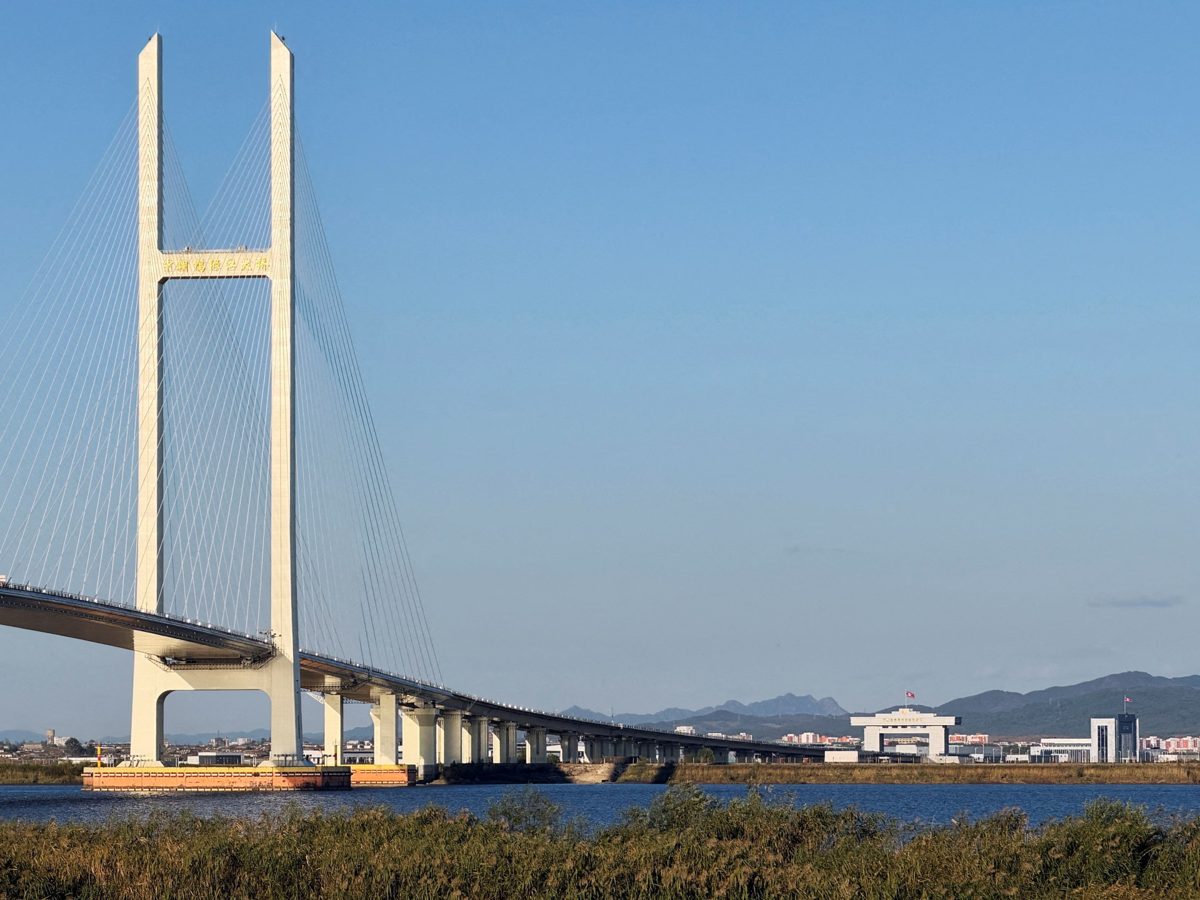
China and North Korea are set to officially open the New Yalu River Bridge, a significant development for trade and diplomatic ties.
Highlights
- The New Yalu River Bridge is scheduled to formally open on Thursday.
- China finished its section of the bridge in 2014, but North Korea's portion remained incomplete for years.
- The bridge's opening signals an improvement in the relationship between the two nations.
- Last year, China's shipments to North Korea reached a six-year high of $2.3 billion.
Details
China finished its part of the bridge in 2014, with the expectation of strengthening commercial connections. However, North Korea's side remained unfinished for many years, a reflection of strained relations following Beijing's backing of UN sanctions against Pyongyang due to its nuclear weapons tests. The upcoming opening of the bridge indicates a thaw in these previously tense relations. Chinese President Xi Jinping visited Pyongyang in June, marking his first trip there since 2019.
Trade between the two countries has seen a notable increase. Last year, Chinese goods sent to North Korea reached $2.3 billion, representing a 25% rise compared to the prior year and the highest level in six years. This renewed economic activity occurs as North Korea also strengthens its ties with Russia, culminating in a comprehensive strategic partnership treaty signed this year. Analysts suggest that Pyongyang's growing relationship with Russia might be altering its diplomatic dependencies, potentially lessening its reliance on Beijing.
Why it matters
The inauguration of the New Yalu River Bridge is a key indicator of revitalized economic and political engagement between China and North Korea. This infrastructure could facilitate the flow of goods essential for North Korea's civilian economy. Furthermore, shifts in North Korea's international diplomatic standing, alongside signals of potential renewed engagement with the United States, underscore the evolving regional dynamics and their broader implications.