COP31 Climate Summit Kicks Off in Antalya: Seeking Concrete Action Against Global Warming
The COP31 Climate Summit in Antalya has begun, with countries striving to agree on concrete actions and a transition away from fossil fuels amidst escalating climate disasters.
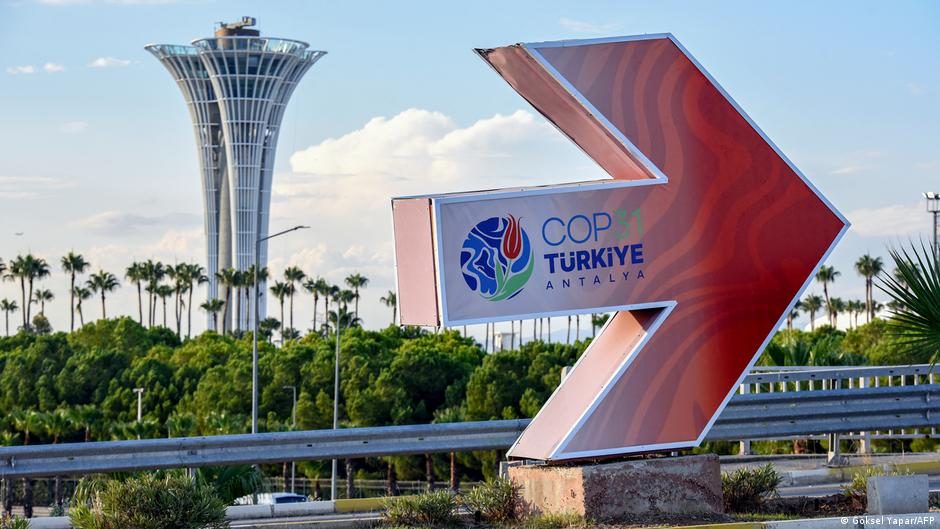
The 31st session of the United Nations (UN) Climate Change Conference (COP31) is taking place in Antalya, Turkey, from November 9-20. Under pressure from escalating climate disasters such as severe droughts, floods, and extreme heatwaves, delegates aim to move beyond grand promises and take concrete steps to combat global warming.
With Turkey as the host, representatives from nearly every country have gathered to discuss pathways out of the climate crisis. Australia is leading the negotiations, with green industrialization and the clean energy transition being key agenda items.
Highlights
- Global Temperature Rise: According to the UN, the goal of limiting global temperature rise to 1.5 degrees Celsius above pre-industrial levels is no longer achievable. Current commitments project a rise of up to 2.6 degrees Celsius.
- Transition from Fossil Fuels: The global transition away from polluting fossil fuels like coal, oil, and gas will be central to the summit. No consensus has yet been reached on this issue.
- Funding Shortfall: Financial support requested by developing countries to protect their citizens from the harms of climate change remains insufficient. Industrialized nations agreed to provide at least $300 billion annually in climate financing by 2035, but the source of these funds is debated.
- Electrification Target: Turkey and Australia aim to increase electricity's share in global energy consumption from 20% to 35% by 2035.
Details
The climate summit in Antalya follows a summer marked by climate emergencies across Europe, including severe droughts, extreme heat, and wildfires. Additionally, flash floods triggered by a rock-ice avalanche in Nepal and Tibet killed over 1,400 people. Climate experts have linked these disasters to melting ice and a warming climate.
David Victor, a climate expert at the University of California San Diego, notes that the 2015 Paris Agreement helped reduce the projected global temperature rise from 3-3.5 degrees Celsius to 2.6 degrees Celsius. However, Victor cautions against expecting major breakthroughs at this year's summit due to the unanimous agreement requirement for all COP decisions. He suggests that smaller alliances of governments and companies, which he calls "clubs," might be more effective.
A recent analysis by the International Energy Agency (IEA) indicates that accelerating electrification could cut fuel-importing countries' energy bills by more than $400 billion by 2035 compared to 2025 levels. This prospect could appeal to regions dependent on fossil fuel imports, such as Germany and the European Union. However, oil-producing states like Saudi Arabia are resistant to agreements that undermine their business models.
Why it matters
COP31 will test countries' ability to move beyond pledges to concrete actions as the devastating impacts of climate change intensify. Decisions made on phasing out fossil fuels and providing climate finance to developing countries are crucial for the future of global climate action. The summit has the potential to reveal the true political will behind grand agreements.