El Nino Heat Expected to Cause Thousands of Deaths in India
A new report warns that the powerful El Nino phenomenon's extreme heat could lead to approximately 15,800 deaths in India by February.
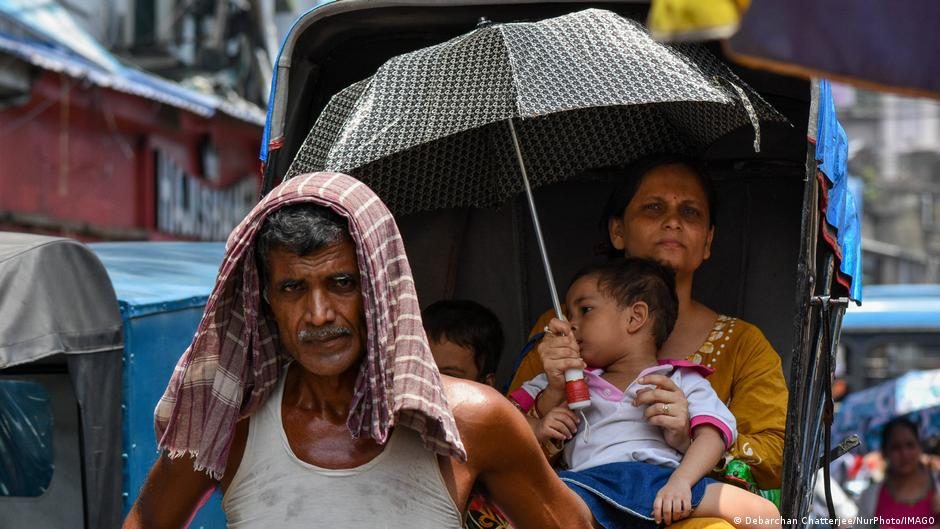
A new research report warns that this year's powerful El Nino climate phenomenon, which is driving global heat to record levels and contributing to severe droughts, could cause 15,800 deaths in India by the end of February. The report, released by the University of Chicago-based Climate Impact Lab, projects that a total of 451,000 more deaths between June and next February could be attributed to El Nino, compared to typical heat-related fatalities.
Highlights
- Extreme heat from El Nino is projected to cause 15,800 fatalities in India by February 2027.
- Globally, El Nino-related deaths could reach 451,000.
- The report emphasizes that the most dangerous impacts will be in areas that are already hot and relatively poor.
- Governments are advised to implement heat warnings, establish cooling centers, and expand hospital capacity.
Details
El Nino is a natural climate phenomenon that occurs every two to seven years, typically towards the end of the year. This year's El Nino is particularly strong, with surface water temperatures in the Pacific Ocean showing increases of more than 3 degrees Celsius above average. This contributes to record global temperatures, severe droughts, wildfires, and water shortages.
According to the Climate Impact Lab report, the intense heat is most dangerous for populations in the Global South, particularly in regions that are already hot and economically disadvantaged. These areas are expected to experience a rise in heat-related deaths. The report suggests that governments should implement measures such as issuing heat warnings, conducting hydration outreach, establishing cooling centers, and increasing hospital capacity to protect their citizens.
Abhiyant Tiwari, a heat expert at NRDC India who was not involved in the study, stated that the report's projections should serve as a call to action rather than just another cause for alarm. Tiwari noted that while India has well-thought-out plans, implementing these plans remains a challenge, and the true measure of preparedness is how effectively people are protected and preventable deaths are reduced.
Why it matters
This report underscores the potentially devastating human health impacts of global climate phenomena. It highlights the critical importance for developing nations to be prepared for and implement effective measures against extreme weather events driven by climate change. The increased temperatures brought by El Nino can place significant strain on healthcare systems and infrastructure, making vulnerable communities even more susceptible.