Electrification: A Key Strategy in Combating Climate Change
According to the International Energy Agency, the electrification of economies could reduce energy import bills by $400 billion by 2035 and decrease global oil demand.
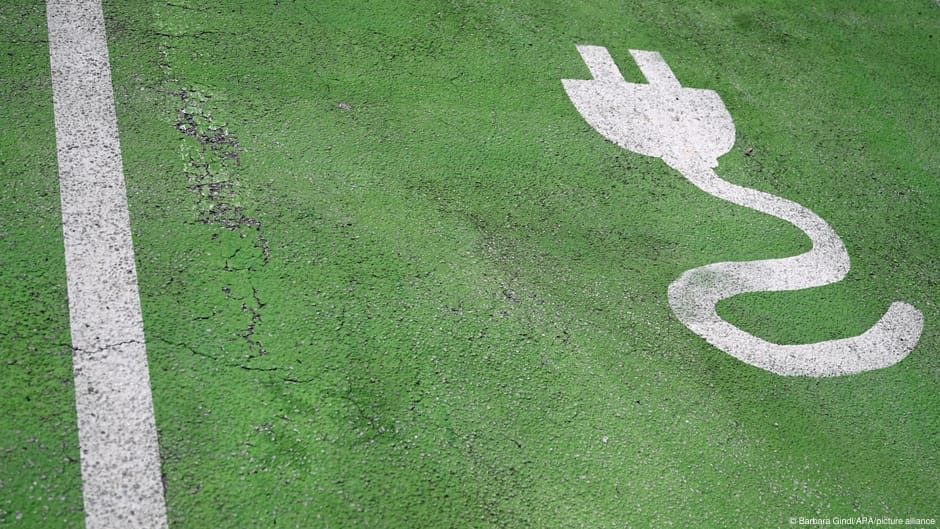
A significant transformation is underway in global energy systems, with the widespread adoption of electric technologies replacing fossil fuels. This shift is evident across various sectors, from electric vehicles (EVs) and heat pumps to solar panels. Experts highlight that electrification plays a crucial role in lowering energy bills while drastically cutting carbon emissions linked to climate change.
Highlights
- The International Energy Agency (IEA) projects that countries rapidly electrifying their economies could save over $400 billion on their energy import bills by 2035.
- Electrification has the potential to reduce daily global oil demand by 18 million barrels.
- The booming electric vehicle (EV) market is the fastest-growing electrification sector, with one in four cars sold in 2025 being electric.
- Electricity currently accounts for only about 20% of total final energy use globally; this figure needs to exceed 50% by 2050.
- Electric motors are significantly more efficient, converting up to 80% of electrical energy into motion, compared to internal combustion engines.
Details
Electrification involves replacing fossil fuel-burning technologies with electric alternatives, such as switching from diesel cars to EVs and using electric heat pumps instead of gas heating. However, the source of this electricity is paramount for climate benefits. An EV powered by an electricity grid heavily reliant on coal could potentially have a worse environmental impact than a gasoline car.
Certain industries, like petrochemicals and steel production, are more challenging to electrify due to their reliance on fossil fuels as raw materials or their need for extremely high temperatures. The World Resources Institute suggests hydrogen or synthetic fuels as more viable alternatives for sectors such as ocean shipping and aviation.
Beyond reducing greenhouse gas emissions, electrification also leads to cleaner air and offers long-term cost savings. Electric motors operate far more efficiently than internal combustion engines; while an internal combustion engine wastes up to 80% of its energy as heat, electric motors convert approximately 80% of electrical energy into motion. Despite an anticipated increase in electricity consumption, overall energy costs are expected to decrease.
Why it matters
Electrification is viewed as a critical strategy for combating climate change and enhancing energy independence. However, the rapidly growing demand for electricity, driven by AI and data centers, is straining existing grids. According to the IEA, annual grid investments need to increase by 50% from today's $400 billion by 2030. Furthermore, the mismatch in development timelines between new grid infrastructure (5-15 years), renewable energy projects (1-5 years), and EV charging infrastructure (1-2 years) is hindering the energy transition. The development of smarter grids is identified as a fundamental necessity to overcome these challenges.