Seven Ethiopian Rebel Groups Form New Alliance to Overthrow Government
Seven rebel groups in Ethiopia, active for years in the country's most populous regions, have announced a new alliance to remove Prime Minister Abiy Ahmed's government.
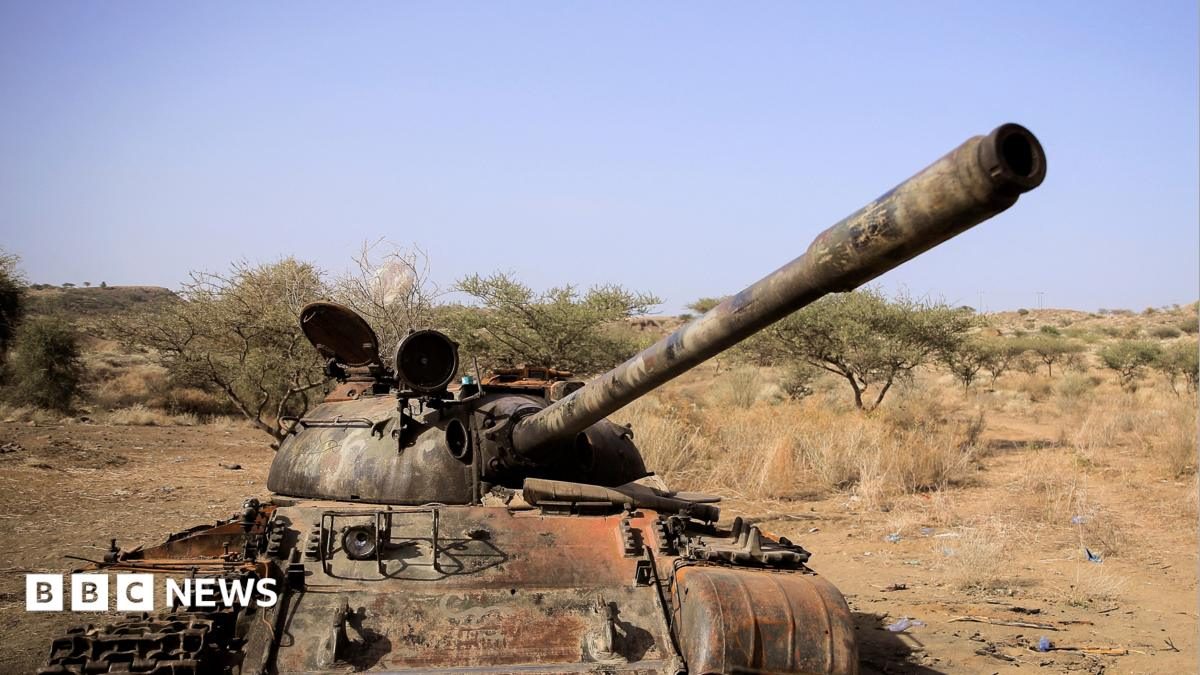
Seven rebel groups, long active in various parts of Ethiopia, have declared the formation of a new coalition called the "Alliance for Survival." Their stated goal is to depose the government in Addis Ababa, led by Prime Minister Abiy Ahmed.
The groups accuse Abiy Ahmed's administration of presiding over "war, genocide, mass destruction, and utter poverty," claiming that Ethiopia is at risk of disintegration.
Highlights
- Seven rebel groups have united to form the "Alliance for Survival."
- The alliance aims to remove the government led by Prime Minister Abiy Ahmed.
- Key members include the Fano militia in Amhara, the Oromo Liberation Army (OLA), and the Tigray People's Liberation Front (TPLF).
- The groups accuse the government of "war, genocide, and poverty."
- Prime Minister Abiy Ahmed expressed confidence in Ethiopia's "defensive capabilities."
Details
The new alliance brings together groups that have been engaged in armed conflict for years in Oromia and Amhara, Ethiopia's most populous states. The Fano group from Amhara, which previously fought alongside federal forces during the Tigray War, turned against the federal government in an armed insurgency less than a year after the war concluded, refusing disarmament orders. The coalition also includes groups from the Ogaden, Afar, and Benishangul-Gumuz regions, collectively representing over half of Ethiopia's 12 regional states.
The northern Tigray region experienced a two-year civil war that resulted in hundreds of thousands of deaths and millions displaced. While an African Union-brokered peace deal ended that conflict in 2022, fears of a return to full-scale fighting persist, with both sides accusing each other of violating the agreement.
Responding to the alliance's announcement, Prime Minister Abiy Ahmed stated his confidence in Ethiopia's "defensive capabilities" and asserted that he had "not an iota of fear regarding Ethiopia's sovereignty." In general elections held in June, Abiy's Prosperity Party retained its overwhelming parliamentary majority, although the polls were overshadowed by conflict and accusations of repression. The Fano and OLA rebel groups rejected the election results, and the Tigray region was completely excluded from the vote.
Why it matters
This new alliance significantly complicates Ethiopia's already fragile political landscape. The unification of major rebel groups from different regions could exert substantial pressure on the government and potentially escalate the risk of a new, widespread conflict. This development carries significant implications for the stability of Ethiopia, Africa's second most populous nation, and for broader regional security.