FCC Chair Cautions Broadcasters Against Airing "Fake Polls"
US Federal Communications Commission (FCC) Chairman Brendan Carr warned media outlets against airing "fake polls," a move former FCC officials interpret as an attempt at censorship.
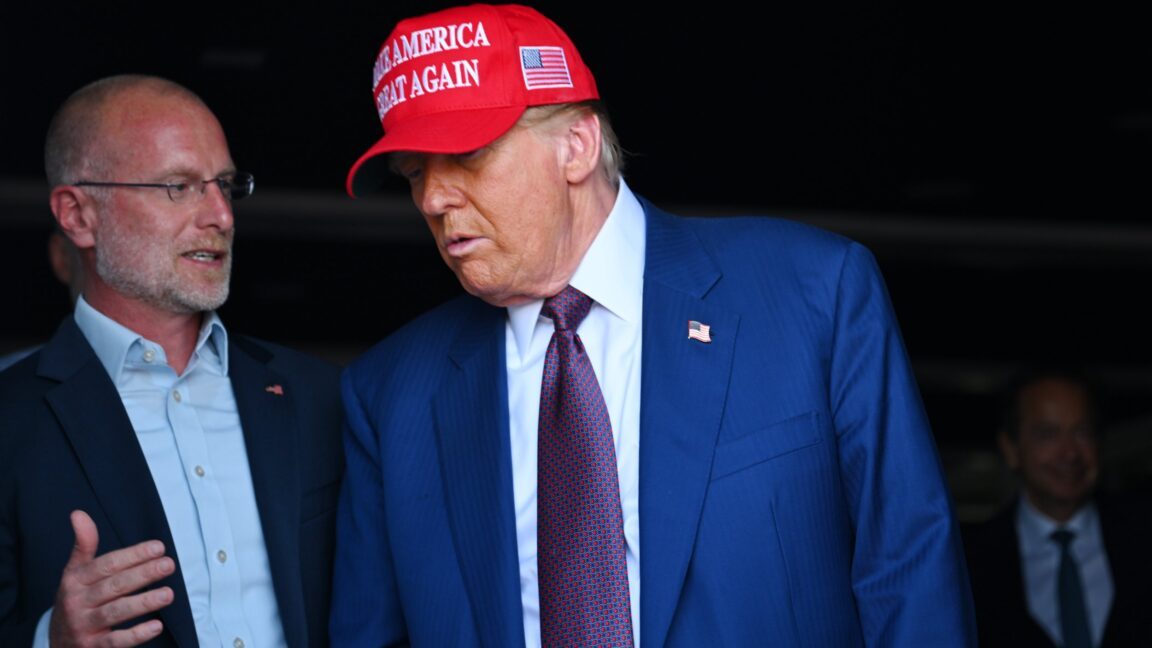
US Federal Communications Commission (FCC) Chairman Brendan Carr has issued a warning to broadcasters about airing "fake polls." In a post on X, Carr stated that many journalists and broadcasters have been amplifying or airing these polls "without regard to basic journalistic ethics." This warning echoes frequent complaints made by former President Trump about the news media.
However, former FCC chairs and officials have characterized Carr's move as an attempt to intimidate broadcasters into self-censorship. They argue that such warnings aim to restrict free speech and that the FCC has no authority to dictate editorial decisions.
Highlights
- FCC Chairman Brendan Carr cautioned broadcasters against airing "fake polls," suggesting it could violate their regulatory obligations.
- Carr emphasized the need for media outlets to provide "additional context and information" about the polls they cover.
- Former FCC chairs and senior officials criticized Carr's warnings as an attempt at censorship and to scare broadcasters into self-censorship.
- A recent incident involved a group called "Wedgewood Polls" admitting to publishing fabricated polling data as an "experiment."
- Anna Gomez, the sole Democratic commissioner on the current FCC, stated that broadcasters reporting in good faith should not be penalized for inaccurate polls.
Details
Brendan Carr's post on X advised broadcasters to avoid "News Distortions" or "Broadcast Hoaxes" by airing polls that would violate their regulatory obligations. Carr cited a recent incident where a polling outfit was exposed as a hoax. However, his post did not name any specific fake polls or broadcasters that aired them.
Former Chairman Tom Wheeler, a Democrat, and former Chairman Mark Fowler, a Republican, along with seven other former high-ranking FCC officials, asserted that Carr's actions aim to chill the speech of broadcasters. They stated that "good-faith reporting on public polls—even ones that turn out to be made up—is not a violation of the FCC’s news distortion or hoax rules. And the FCC has zero authority to dictate editorial decisions."
Wedgewood Polls claimed it published fabricated polling data to test whether media outlets would report on data without verifying the source, methodology, or firm's legitimacy. Major poll aggregators like The New York Times and FiftyPlusOne used Wedgewood's polls but stated they conducted vetting. FiftyPlusOne, contrary to Wedgewood's claims, said they were preparing to publish an article exposing the fraud and had sought comment from Wedgewood.
Why it matters
This incident raises significant questions about media ethics, journalistic responsibility, and the potential for government influence over the media. The FCC's use of its regulatory authority to warn broadcasters against certain content could set a critical precedent regarding free speech and the risk of self-censorship. Especially during election seasons, given the impact of polls on public opinion, these warnings and the reactions from former officials heighten concerns about media independence.