Woman's Brain Worm Infection Confirmed by Lab Test in the Philippines
A rice farmer in the Philippines was diagnosed with a brain worm infection after experiencing uncontrollable tremors, confirmed by lab tests showing parasite eggs.
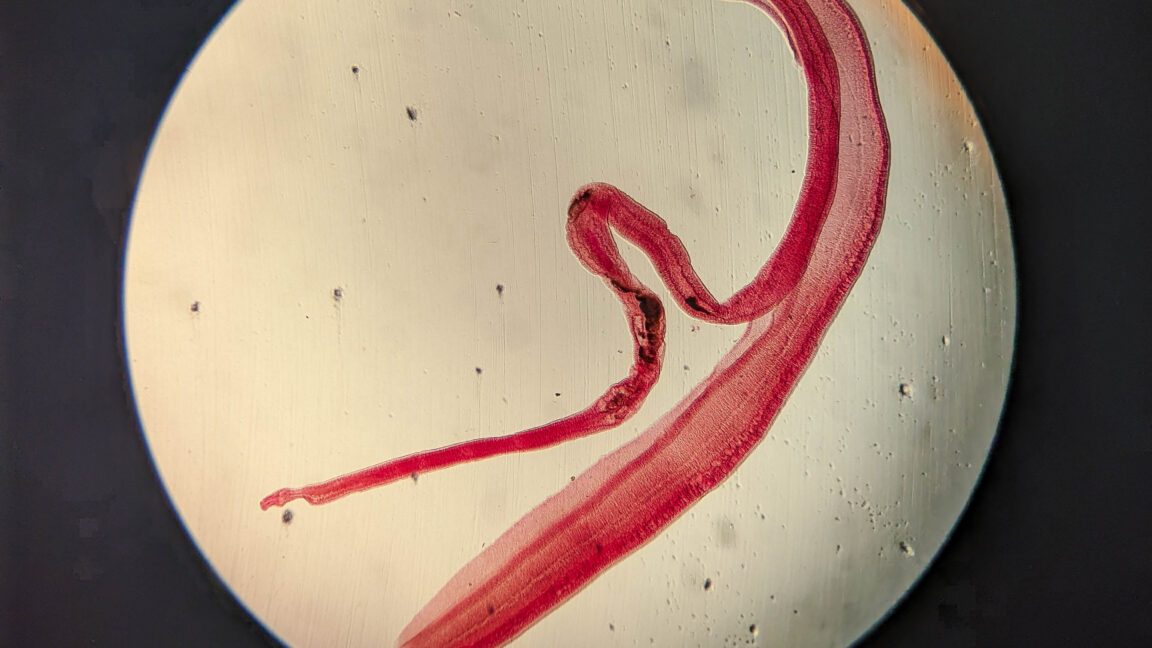
A rice farmer in the Philippines experienced uncontrollable shaking in her right arm and leg, leading her to seek emergency medical attention. Magnetic Resonance Imaging (MRI) of her brain revealed a cluster of nodules surrounded by fluid in her left frontal lobe, which doctors suspected were parasitic worm eggs.
Highlights
- A woman in the Philippines was diagnosed with a brain infection caused by Schistosoma japonicum worm eggs.
- Her symptoms included sudden, uncontrollable tremors in her right arm and leg.
- The diagnosis was confirmed through brain MRI, stool analysis, and a specialized serum test.
- In the lab test, antibodies in the patient's serum caused the worm eggs to develop tail-like structures.
- Following treatment, the woman's seizures ceased, and follow-up MRI showed the disappearance of the worm eggs.
Details
Upon examination, doctors suspected the woman had neuroschistosomiasis, a rare complication of infection with Schistosoma parasitic worms, also known as blood flukes. S. japonicum is a common type of fluke in the Philippines, also found in China and parts of Indonesia. The eggs of these worms are typically shed in the urine or feces of infected animals and humans, and their life cycle involves aquatic snails as intermediate hosts before larvae with forked tails (cercariae) seek out animal hosts.
To confirm the diagnosis, doctors utilized a 'circumoval precipitin test,' developed in the 1950s. This test involves exposing S. japonicum eggs to the patient's serum. If an infection is present, antibodies in the serum bind to the eggs, forming distinctive tail-like structures. Additionally, the woman's stool sample showed a high concentration of S. japonicum eggs, specifically 190 eggs per gram of feces. These findings, combined with the MRI results, led to a diagnosis of cerebral schistosomiasis causing a focal seizure.
Why it matters
This case highlights the potential for parasitic infections to affect the central nervous system, even in rare instances, leading to severe neurological symptoms like seizures. It underscores the importance of considering parasitic causes when patients in endemic regions present with unexplained neurological issues. The successful treatment of the woman also emphasizes the critical role of accurate diagnosis and timely intervention in managing such complex medical conditions.