France Debates Blame for Widespread Riots and Their Implications
France is grappling with the aftermath of violent protests on October 17, with political leaders divided over who is responsible and what lessons to draw.
Highlights
- French Prime Minister Sébastien Lecornu attributes some of the violence to planned actions by far-left groups.
- The President of the National Assembly, Yaël Braun-Pivet, has proposed a parliamentary inquiry into the organization of the unrest.
- Intelligence reports suggest the involvement of left-wing anarchist groups in student demonstrations.
- While much of the looting seemed opportunistic, the violence itself appeared premeditated.
- Social media is implicated as a significant factor in the spread of violence and its impact on young people.
Details
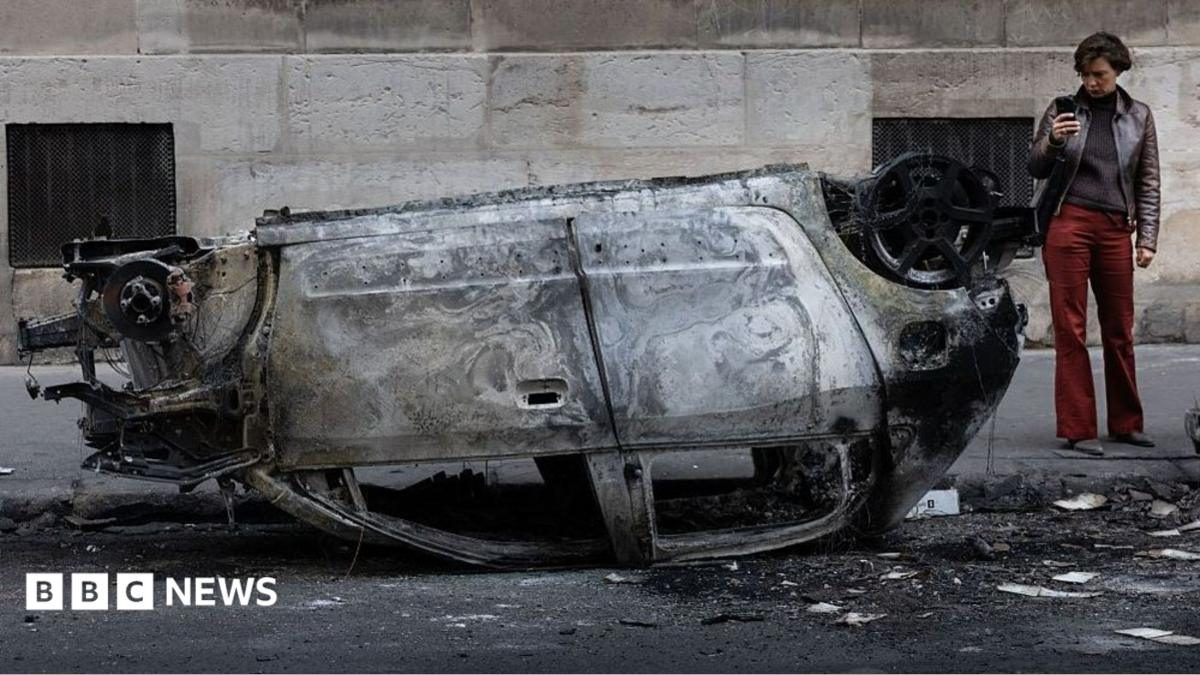
Following widespread destruction across France on October 17, intense discussions are ongoing regarding the causes and those accountable for the violent protests. Prime Minister Lecornu has asserted that some of the aggression was orchestrated by extreme left-wing factions. In response, National Assembly President Yaël Braun-Pivet has called for a parliamentary investigation to understand how the events were organized.
French intelligence had previously informed government circles about the participation of left-wing anarchist groups in student protests. A September 29 intelligence report, published by Le Figaro, detailed the alleged manipulation of student demonstrations by student unions and political organizations linked to the radical left. This report claimed that the far-left political movement La France Insoumise (LFI) was using violence as a tactic in the run-up to the 2027 presidential elections, an accusation LFI denies.
The extensive theft from over 3,000 retail establishments on Saturday was largely opportunistic, according to French accounts. Many young individuals quickly attempted to sell their stolen goods online, with some not even attempting to conceal their identities. Former Prime Minister Gabriel Attal has suggested that social media posts encouraged participation in the violence, advocating for targeted social media blackouts to prevent further unrest. Belgium's Interior Minister, Bernard Quintin, also warned against the "TikTokisation" of violence, noting how riot footage widely shared on social media influences impressionable youth.
Why it matters
These events have further inflamed France's already tense political climate. With a presidential election six months away, politicians are engaged in a blame game, seeking to bolster their own positions. Underlying issues such as inadequate public services, rising living costs, and diminishing faith in the "system" among young people are being overshadowed. This situation reflects a broader sense of disillusionment observed not only in France but across other European nations.