South Africa's Femicide Crisis: Nine Women Found Dead in Johannesburg in Two Months
Nine women have been found dead in the Johannesburg area of South Africa over the past two months, intensifying concerns about the country's femicide crisis.
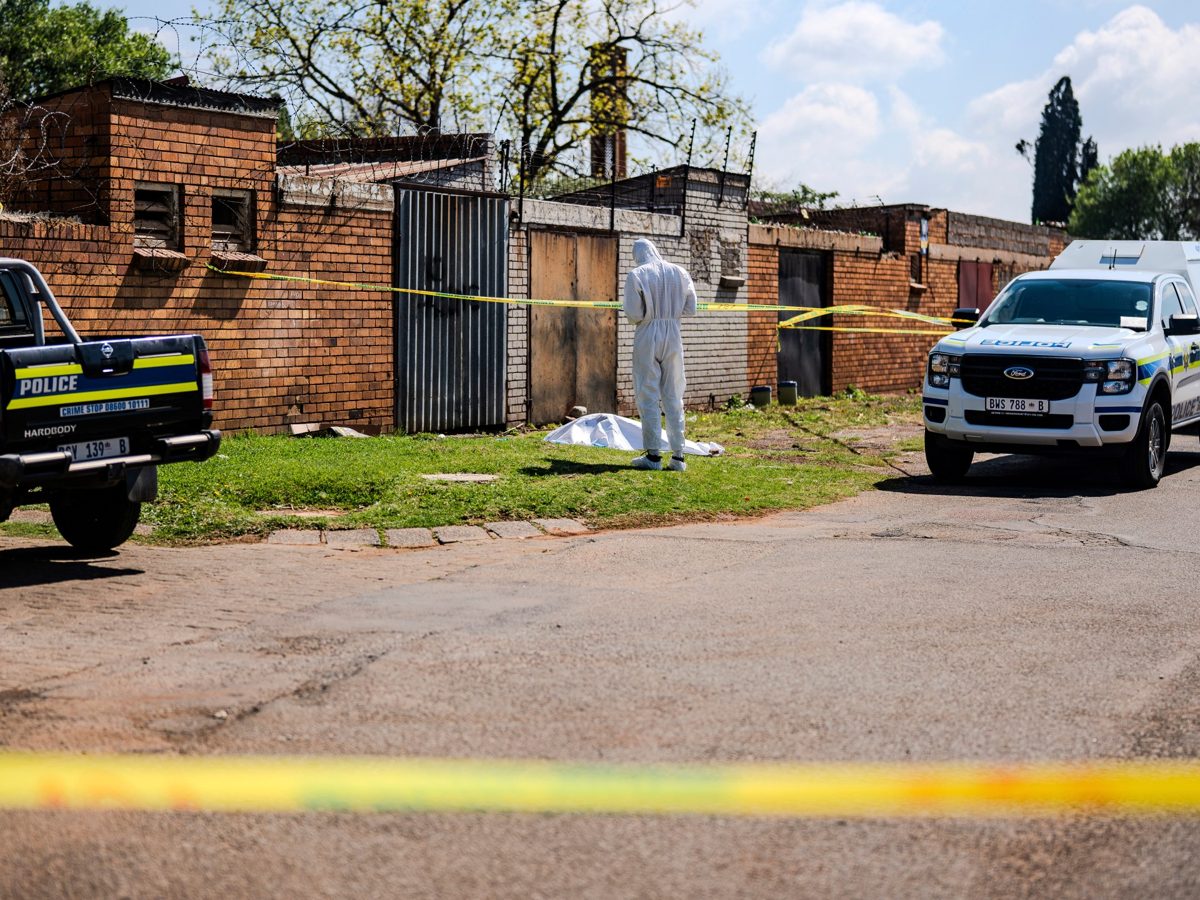
Nine women's bodies have been discovered in South Africa's Ekurhuleni municipality, near Johannesburg, within the last two months. These alarming findings have heightened worries about violence against women and brought renewed scrutiny to the government's response to the nation's femicide crisis.
While police state there's no clear link between the deaths yet, human rights organizations are questioning the government's effectiveness in tackling gender-based violence. South Africa declared gender-based violence and femicide a national disaster in November 2025.
Highlights
- Nine women have been found dead in the Ekurhuleni area of Johannesburg in two months; the latest victim was discovered half-naked and wrapped in a sheet in Dawn Park on Thursday morning.
- The South African Police are investigating whether the deaths are linked to a single perpetrator or a group, but have found no direct connections so far.
- Princess Eurika Mogane, a commissioner at South Africa’s Commission for Gender Equality, described the killings as "a war" reflecting a broader national crisis.
- The National Shelter Movement of South Africa (NSMSA) reports an increase in severe abuse cases and highlights inadequate funding and capacity issues for shelters.
- Police advice urging women to avoid walking alone has drawn criticism for placing the onus of safety on victims rather than perpetrators.
Details
Among the victims found in Ekurhuleni was Elizabeth Moselakgomo, a 38-year-old mother who disappeared after her usual run on September 9 and was found dead three days later. Her eight-year-old daughter raised the alarm when her mother didn't return, underscoring how even precautions taken by women are proving insufficient.
South African Police Service spokesperson Athlenda Mathe stated that the investigation is complex and could involve multiple perpetrators, but no direct links between the cases have been established yet. Mathe also mentioned the possibility of copycat crimes. South Africa's femicide rate is reportedly five times the global average.
President Cyril Ramaphosa has pledged that perpetrators will face justice, and authorities claim police patrols have been increased in high-risk areas. However, Mogane from the Commission for Gender Equality questioned what tangible changes have occurred since the national disaster declaration, pointing to the need for more forensic facilities and shelters for survivors.
Why it matters
These incidents starkly highlight the severe and ongoing crisis of gender-based violence and femicide in South Africa. The effectiveness of government measures to combat this crisis is under intense scrutiny, with civil society organizations demanding more comprehensive and impactful solutions. The safety and right to life of women remain one of the country's most urgent issues to address.