ANC's Electoral Support Plummets in South Africa's Local Elections
South Africa's ruling African National Congress (ANC) party saw its share of the popular vote decline significantly to 32.5 percent in the 2026 local government elections.
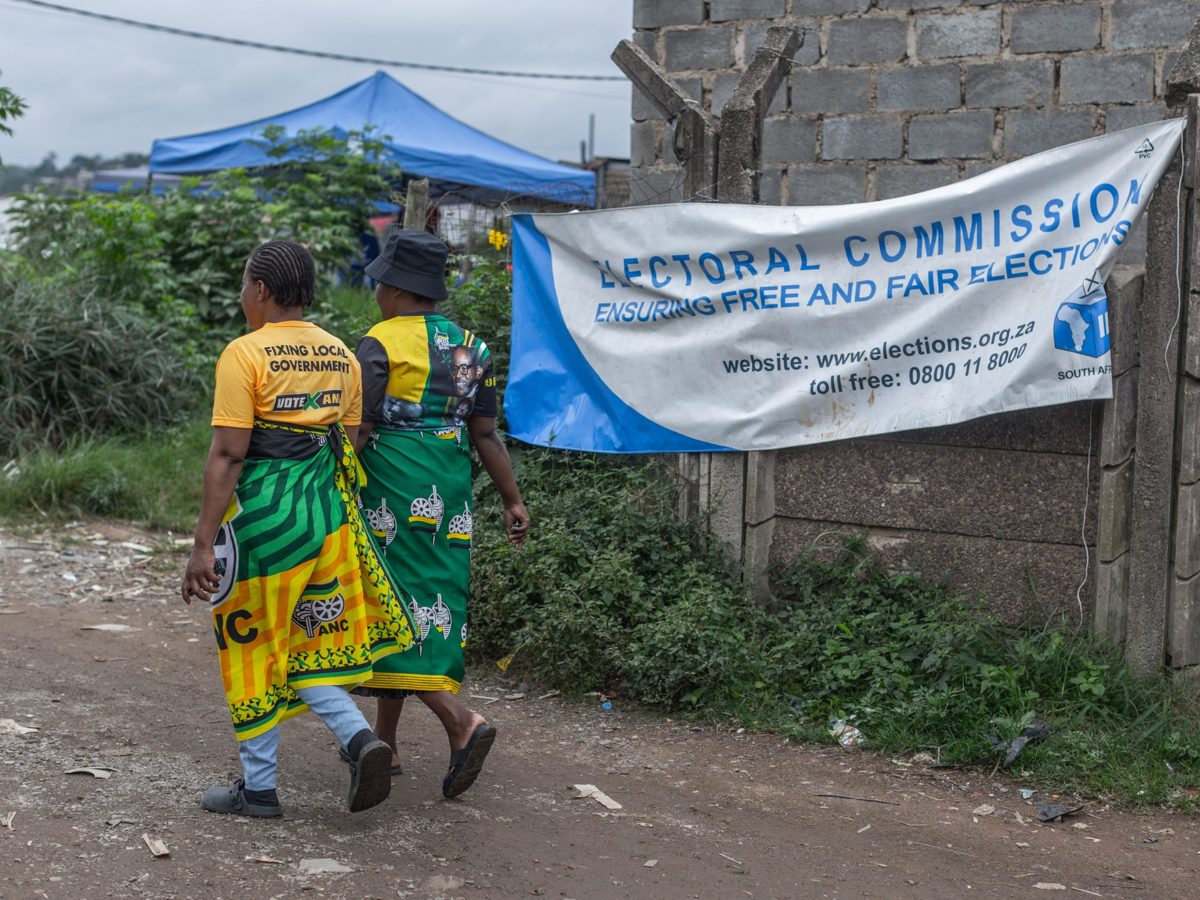
The African National Congress (ANC), South Africa's ruling party, experienced a surprisingly dramatic decline in its popular vote during the 2026 local government elections. While remaining the largest political party, its share of the vote dropped to 32.5 percent, effectively transforming it into a rural party whose governance power is heavily reliant on coalition partners.
This decline signals a loss of support, particularly in urban areas, and a significant defection of minority voters. Disaffection was also observed among elements of the Black middle class and sections of the Black African rural and working classes.
Highlights
- The ANC's popular vote share fell to 32.5 percent in the 2026 local elections, marking one of its lowest performances.
- The party is now dependent on other parties for coalitions in urban metros and cities.
- Policies and actions during the terms of former presidents Thabo Mbeki and Jacob Zuma are cited as key contributors to the current decline.
- Current President Cyril Ramaphosa's perceived "dithering" leadership has hindered the party's promised renewal.
- Youth unemployment reached 63 percent, while allegations of corruption and state capture further eroded public trust.
Details
The roots of the ANC's current decline can be traced back through three nine-year leadership phases. During Thabo Mbeki's nine years, GDP growth reached 5.4 percent, unemployment stood at 25 percent, and the party secured 65.7 percent of the vote in the 2006 local elections. However, these gains were largely squandered during Jacob Zuma's nine years, marked by "state capture" scandals disguised as "radical economic transformation." The economic cost of state capture is estimated to be up to 500 billion rand ($30 billion).
President Cyril Ramaphosa came to power on a wave of "Ramaphoria," promising renewal after the state capture scandals. However, his leadership has been characterized by hesitation and indecision. For instance, the release of Zuma from prison and the toleration of individuals implicated in corruption within the party drew public criticism. Furthermore, Zuma's uMkhonto weSizwe Party (MKP) garnered nearly 15 percent of the national vote in 2024, significantly eroding the ANC's support base.
During the election campaign, the ANC's failure to address basic service delivery issues and poor local governance performance further alienated voters. Under Ramaphosa's watch, the ANC's electoral support declined from 57.5 percent in 2019 to 32.5 percent in 2026. This decline was exacerbated by insurgencies from parties like Zuma's MKP, Julius Malema's Economic Freedom Fighters (EFF), and the South African Communist Party (SACP).
Why it matters
The dramatic implosion of the ANC could mark a significant turning point in South African politics. The party's future will depend on its ability to navigate coalition politics and address internal divisions. It is crucial for the leadership to make strategic decisions to regain public trust and renew the party. Otherwise, the ANC, with its 114-year history, faces an existential crisis encompassing electoral, organizational, ideological, and moral dilemmas.