South Korea Demands Apology from North Korea Over DMZ Mine Blasts
South Korea has called for an apology from North Korea following landmine explosions in the Demilitarized Zone (DMZ) that injured three soldiers.
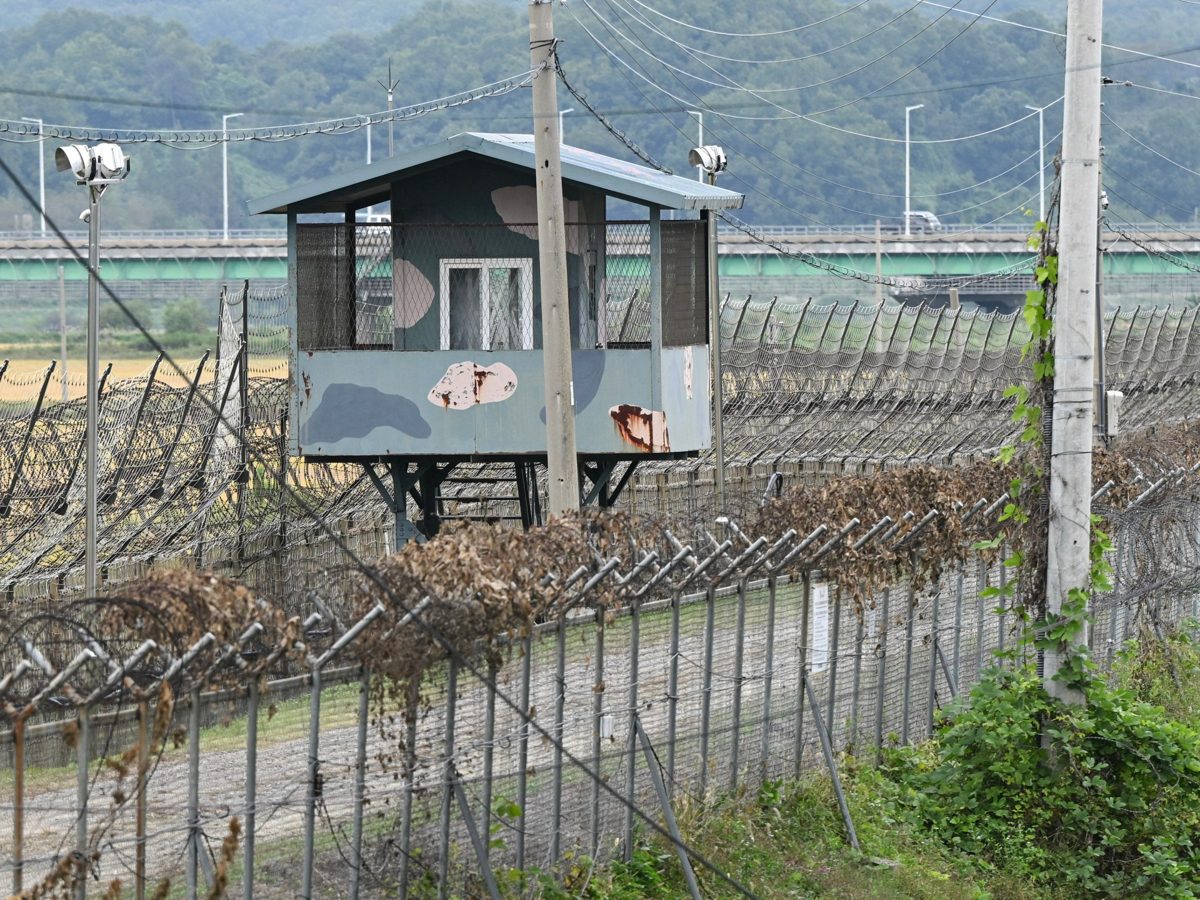
Highlights
- South Korea's military is demanding an apology from North Korea, attributing recent DMZ explosions to Pyongyang.
- Three South Korean soldiers sustained injuries in the September 21 incidents.
- Kim Yo Jong, sister of North Korean leader Kim Jong Un, dismissed the accusations as a "conspiratorial farce."
- A joint investigation by the United Nations Command (UNC) and Seoul identified a North Korean mine on the South Korean side of the border, confirming an armistice violation.
- South Korea has indicated it may consider unspecified "corresponding measures" if North Korea's responsibility is definitively established.
Details
South Korea's military is seeking a formal apology from North Korea after landmine detonations earlier this month within the heavily fortified Demilitarized Zone (DMZ) resulted in injuries to three of its personnel. The incidents, which occurred on September 21 in the western sector of the DMZ near the military demarcation line, are considered a clear breach of the Armistice Agreement and a detriment to existing inter-Korean accords. Kang Hyunwoo, the South Korean Joint Chiefs of Staff's director of operations, emphasized the need for North Korea to apologize and implement "responsible measures" to prevent future occurrences. Defense Minister Kang Shin-chul stated that Seoul would evaluate unspecified retaliatory actions should a comprehensive inquiry confirm Pyongyang's culpability.
In response, Kim Yo Jong, the influential sister of North Korean leader Kim Jong Un, rejected South Korea's assessment as a "conspiratorial farce." She accused Seoul of fabricating allegations to engineer a justification for hostile actions against Pyongyang. Kim Yo Jong also criticized South Korea for issuing warnings and discharging warning shots toward North Korean forces engaged in border fortification activities, asserting that North Korean soldiers had not crossed into the South. She warned of immediate and severe retaliation if South Korean military personnel were to fire beyond warning shots at North Korean troops working on the southern border.
A joint investigation conducted by the United Nations Command (UNC) and South Korea's military concluded that an active North Korean anti-personnel mine was found on the Republic of Korea's (South Korea's) side of the Military Demarcation Line. The UNC, a U.S.-led multinational force tasked with overseeing the armistice that concluded the Korean War and managing the DMZ's southern sector, determined that this discovery constituted a violation of the Armistice Agreement.
Why it matters
This incident has the potential to further escalate already strained relations on the Korean Peninsula. The mine explosions in the DMZ and the subsequent exchange of accusations highlight the fragility of peace between the two Koreas. The findings by the United Nations Command are likely to heighten international concerns, and any potential retaliatory actions in the future could destabilize the region.