South Korea to Withdraw Additional Embassy Staff from Ukraine Amid POW Dispute
South Korea announced it will reduce its embassy staff in Kyiv, citing Ukraine's lack of a 'constructive response' in a dispute over the transfer of North Korean prisoners of war.
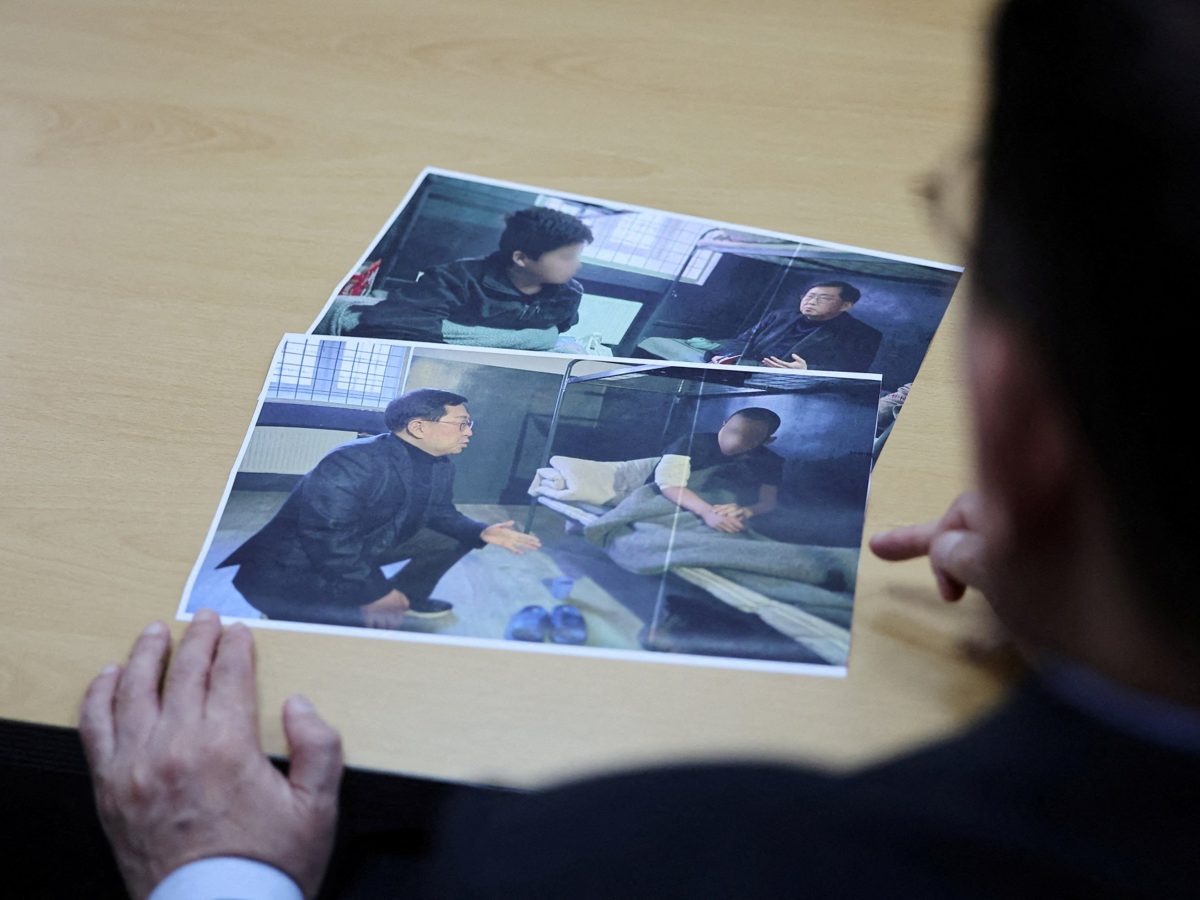
South Korea's Ministry of Foreign Affairs stated it would withdraw additional embassy personnel from Kyiv. This decision follows Ukraine's failure to provide a "constructive response" in an ongoing dispute concerning the transfer of North Korean prisoners of war (POWs). This move escalates diplomatic tensions between the two nations, coming after South Korea had already recalled its ambassador from Ukraine.
Highlights
- South Korea plans to pull more embassy staff from Ukraine due to an unresolved dispute over North Korean POWs.
- Earlier this month, South Korea recalled its ambassador after Ukrainian President Volodymyr Zelenskyy disclosed the transfer of two captured North Korean soldiers to the South at the UN General Assembly.
- Seoul argued that this information should have remained confidential to protect the soldiers' families in North Korea.
- A spokesperson for South Korea's Foreign Ministry indicated the measure was taken to "facilitate an amicable resolution of the issue and restore trust between the two countries."
- A chargé d'affaires and all consular staff will remain in Kyiv to maintain diplomatic communication and protect South Korean nationals.
Details
South Korea communicated its stance to Ukraine through multiple channels but did not receive a satisfactory reply. Zelenskyy's disclosure angered Seoul, which maintained that such sensitive operations should be kept secret to ensure the safety of families in North Korea. Ukraine, for its part, insisted that "diplomacy must prevail over emotions" and considered the situation resolved.
Previously, South Korean Foreign Minister Cho Hyun mentioned receiving an "apology" from Ukraine regarding Zelenskyy's disclosure, but noted it did not meet the "level" Seoul expected. Under South Korea's constitution, all North Koreans are considered citizens of the Republic of Korea, and those who reach its territory seeking defection are generally permitted to stay.
Why it matters
This situation introduces an unexpected diplomatic strain between two countries at a time when global alliances are shifting due to Russia's invasion of Ukraine. South Korea's decision to withdraw staff highlights the critical importance of diplomatic sensitivity, especially when dealing with international partners. It also raises questions about how similar incidents might impact future diplomatic relations and international cooperation.