South Korea Demands Apology from Ukraine Over Disclosure of North Korean POW Transfer
Seoul's presidential office seeks an apology from Ukraine, alleging a breach of confidentiality regarding the transfer of two North Korean POWs.
Highlights
- South Korea claims Ukraine violated a confidentiality pact concerning the transfer of two North Korean prisoners of war.
- Ukrainian President Volodymyr Zelenskyy publicly announced the transfer of the soldiers to South Korea.
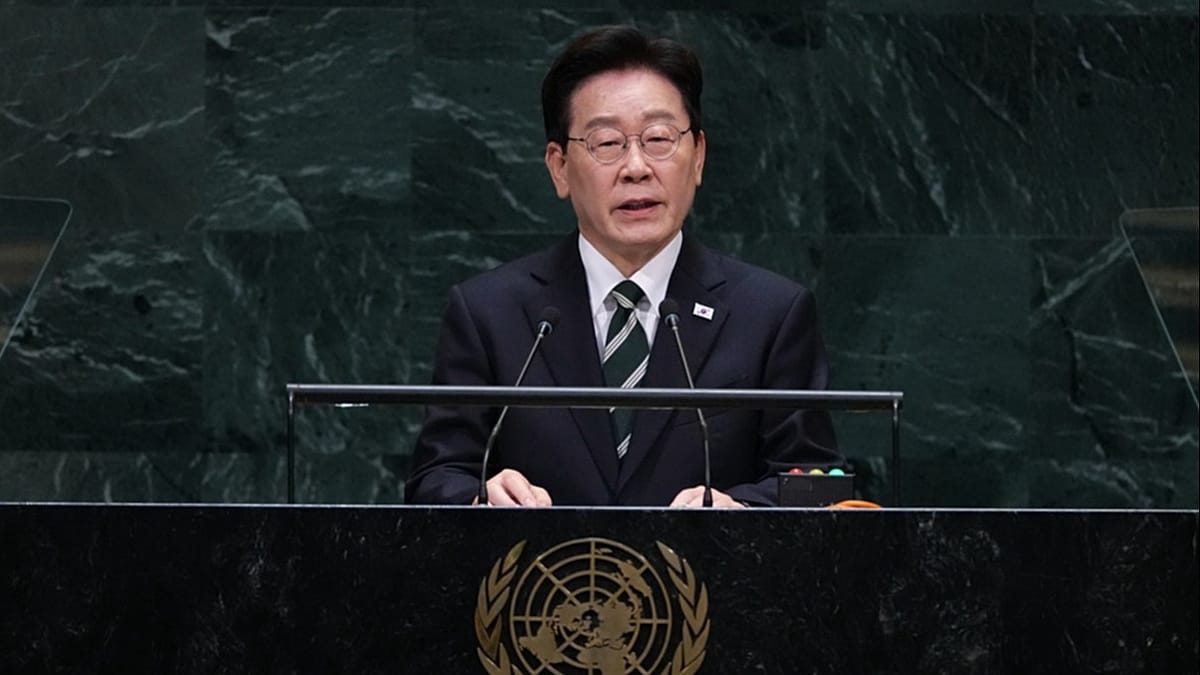
- South Korean President Lee Jae-myung expressed disappointment over Ukraine's disclosure.
- Ukraine denies the existence of a confidentiality agreement, emphasizing its transparency.
- The diplomatic disagreement could complicate Ukraine's efforts to secure weaponry from allies like South Korea.
Details
South Korea's presidential office has formally requested an apology from Ukraine, asserting that Kyiv breached an agreement to keep the transfer of two North Korean prisoners of war (POWs) to Seoul confidential. The dispute began after Ukrainian President Volodymyr Zelenskyy publicly stated last week that his country had sent two North Korean soldiers to South Korea, noting they were "not easy to capture alive."
Hours after Zelenskyy's announcement, South Korean President Lee Jae-myung criticized the action on social media, stating, "I do not know why the Ukrainian side broke the agreement and made the matter public, but it is very disappointing." In response, Zelenskyy's aide, Dmytro Lytvyn, downplayed the disclosure, explaining that the president merely confirmed the soldiers' transfer to South Korea. Lytvyn added that Ukraine is an "open country" and that a secret handover would be "unusual."
Seong Ghi-hong, South Korea's senior presidential secretary for public relations, issued a statement calling Ukraine's unilateral disclosure a "very serious matter." He further stated that the Ukrainian presidential press office's denial of a confidentiality agreement "seriously undermines trust between the two governments and gravely damages friendly relations." Seong concluded by demanding an "official explanation and apology" from Ukraine.
Why it matters
This diplomatic disagreement could further strain relations between South Korea and nuclear-armed North Korea. Analysts suggest that confirming the return of the prisoners publicly might weaken North Korea's propaganda narrative and potentially escalate animosity towards Seoul. Furthermore, this situation could complicate Ukraine's ongoing efforts to acquire military assistance from its allies, including South Korea, in its conflict with Russia. South Korea has, to date, refrained from providing lethal armaments to Ukraine, adhering to its policy against supplying weapons to nations engaged in active conflict.