CJP Leaders Released from Custody After Pledging Not to Protest at Jantar Mantar
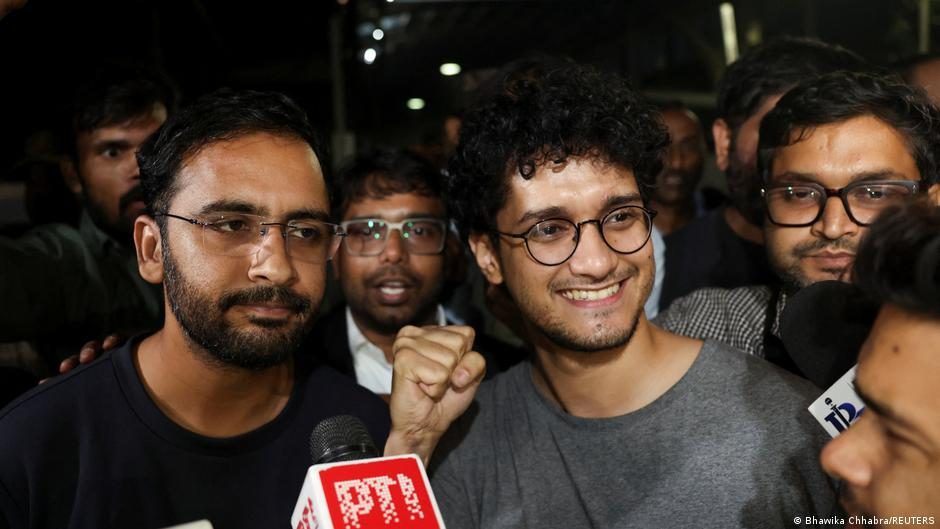
Two leaders of India's Cockroach Janta Party (CJP), Saurav Das and Ashutosh Ranka, have been released from Tihar Jail after agreeing to refrain from organizing demonstrations at Jantar Mantar in Delhi
Highlights
- CJP leaders Saurav Das and Ashutosh Ranka were granted release from judicial custody.
- Their release was contingent on a written commitment to avoid organizing protests at Jantar Mantar.
- The leaders had been at the forefront of demonstrations calling for the resignation of Chief Election Commissioner Gyanesh Kumar.
- The demand for Kumar's resignation stemmed from alleged irregularities in voter lists and the removal of voter names.
- Jantar Mantar had previously been de-designated as a protest site by Delhi Police.
Details
Saurav Das and Ashutosh Ranka, prominent figures in the Cockroach Janta Party (CJP), were freed from Tihar Jail on Wednesday. Their release followed a decision by a Special Executive Magistrate to deny law enforcement's request for an additional three days of detention. Both individuals provided personal bonds and sureties totaling 50,000 rupees each, which is approximately 470 Euros.
As a condition of their release, the CJP leaders submitted a written pledge to uphold peace and not organize any demonstrations at Jantar Mantar. This commitment is to remain in effect until the site is legally re-designated for protests. Delhi Police had removed Jantar Mantar's status as an official protest area earlier in October, several months after earlier CJP-led demonstrations led to the resignation of Education Minister Dharmendra Pradhan. Das and Ranka had faced charges of trespassing for entering Jantar Mantar and displaying the Indian flag.
Their recent protests centered on demands for the resignation of Chief Election Commissioner Gyanesh Kumar. The CJP alleged discrepancies in the Special Intensive Revision (SIR) of electoral rolls and the deletion of names from voter lists, prompting their call for Kumar's departure.
Why it matters
This development underscores the evolving landscape of political dissent and civil disobedience in India. It highlights the ongoing tension between the government's authority to regulate and restrict protest venues and citizens' fundamental right to freedom of expression. Furthermore, it reflects persistent demands for transparency and accountability within electoral processes. The release of these leaders, under specific conditions, could influence future protest strategies and the dynamics of opposition movements in the country.