'Cockroach' Group Leaders Released in India Amidst Anticipation of Further Protests
Leaders of India's 'Cockroach Janta Party', advocating for electoral reforms, have been released by court order after their detention in Delhi, as the city braces for more protests.
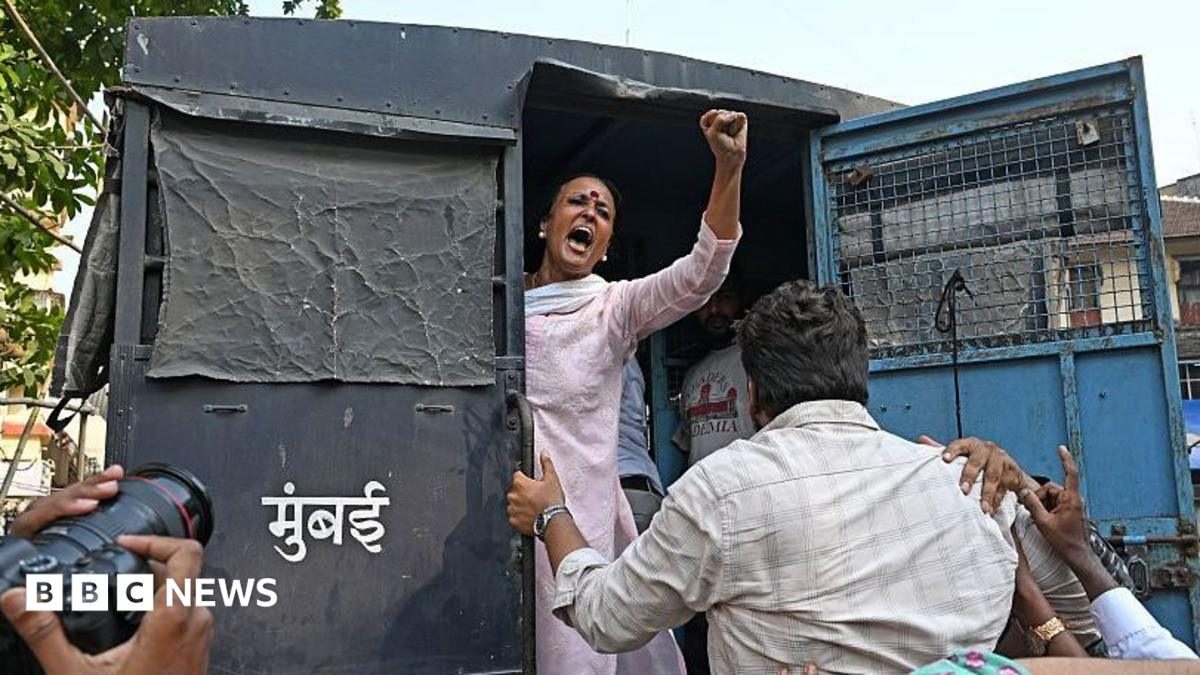
Leaders of the youth-led 'Cockroach Janta Party' (CJP) in Delhi, India, have been released by court order following their detention ahead of planned protests demanding electoral reforms. The city remains under heightened security, with access to the city center restricted, after approximately 7,000 people were detained and later released on Saturday.
Highlights
- CJP leaders Abhijeet Dipke, Saurav Das, and Ashutosh Ranka were detained upon arrival in Delhi to lead protests.
- A court ordered their release on the condition that they "will not engage in breach of peace for one year."
- Around 7,000 protesters were detained in Delhi on Saturday and subsequently released late that night.
- The CJP is advocating for electoral reforms and the resignation of Chief Election Commissioner Gyanesh Kumar, months before crucial state elections.
- Police denied permission for the protest, implementing unprecedented restrictions to prevent gatherings.
Details
The 'Cockroach Janta Party' (CJP) was founded by Abhijeet Dipke in May, inspired by a remark from India's Chief Justice who likened jobless young people to "cockroaches." Although not officially registered as a political party, the CJP is pushing for electoral reforms and the resignation of Chief Election Commissioner Gyanesh Kumar, citing allegations of manipulating voter lists. The Election Commission has denied these claims.
On Saturday, CJP leaders Dipke, Das, and Ranka were detained by police as their flight landed in Delhi. Authorities had refused permission for the protest at Jantar Mantar, a key landmark, and implemented a virtual lockdown across the city to prevent demonstrators from reaching the venue. This included closing 45 metro stations, cancelling major train services, and barricading roads. Despite these measures, thousands attempted to protest, leading to the detention of approximately 7,000 individuals, all of whom were released later that night.
Why it matters
These protests are part of a broader controversy surrounding a nationwide exercise to update electoral rolls ahead of upcoming state elections in India. The Election Commission states that over 130 million voter names have been purged. The CJP and some opposition parties allege that this process is being manipulated to favor Prime Minister Narendra Modi's Bharatiya Janata Party (BJP). This situation raises concerns about the transparency of democratic processes and the suppression of citizens' right to protest in the country.