Opposition and Student Groups Demand Resignation of Election Chief in India Amid Crackdown
India's main opposition leader Rahul Gandhi and student groups are protesting in New Delhi, demanding the resignation of Election Commissioner Gyanesh Kumar.
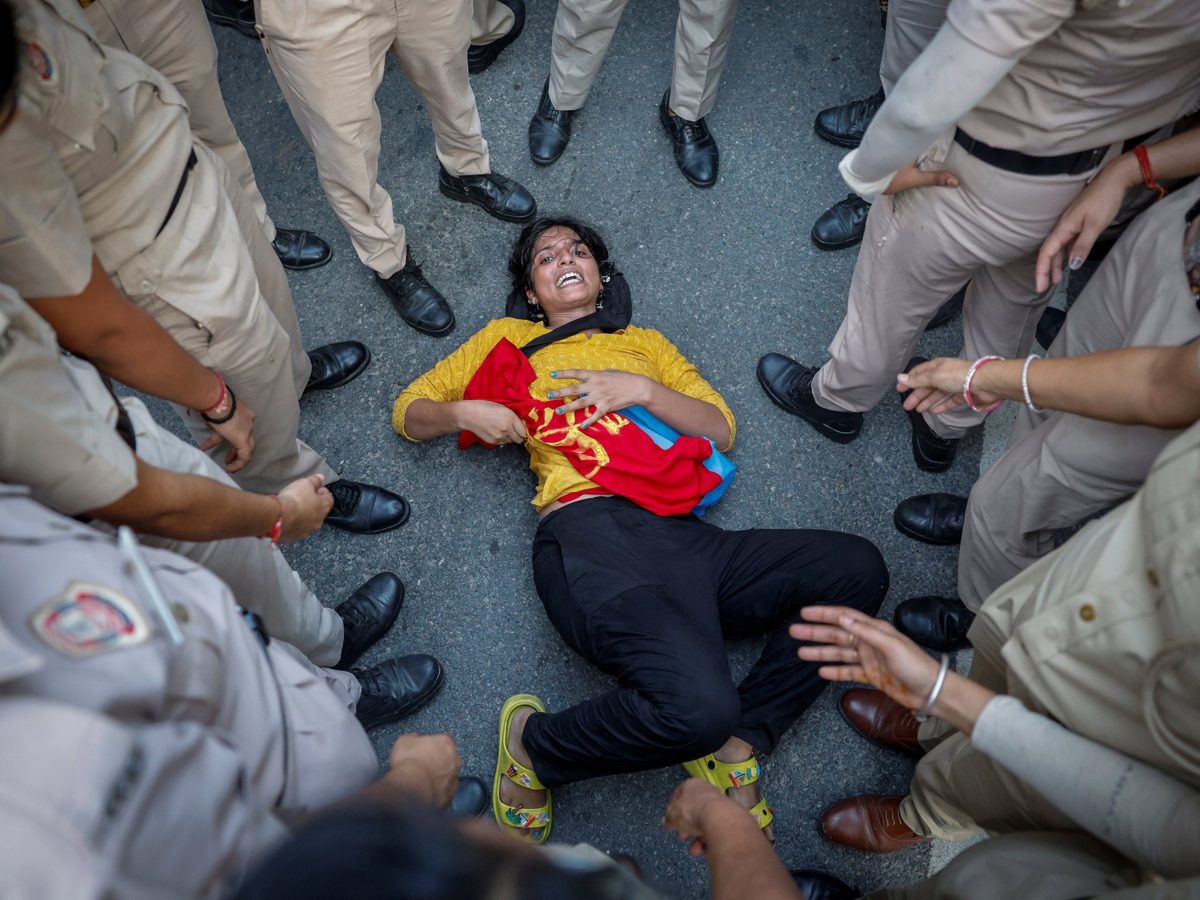
India's main opposition leader, Rahul Gandhi, has returned to the streets of New Delhi, leading members of parliament to demand the resignation of the country's election chief. Joined by student groups, these protests are intensifying pressure on Prime Minister Narendra Modi's government. The opposition alleges that the election commission is biased and that changes to the voter database have disenfranchised minorities.
Highlights
- Opposition leader Rahul Gandhi is calling for the resignation of Chief Election Commissioner Gyanesh Kumar.
- Student groups and other opposition parties are supporting the protests.
- The opposition claims the election commission is working in favor of the Bharatiya Janata Party (BJP) and that over 130 million voter names have been removed from lists.
- The government is deploying security forces to suppress protests, with thousands of students being detained.
- Protesters are developing new tactics to circumvent police crackdowns.
Details
Rahul Gandhi, heir to India's most influential political dynasty, aims to transform a summer youth uprising into a broader challenge against Prime Minister Narendra Modi's decade-long political dominance. Gandhi asserts that the election commission chief has frequently disregarded concerns regarding changes to the voter database, compromising electoral integrity. The opposition contends that these changes have disproportionately affected minorities and other vulnerable groups.
To quell the protests, the government has implemented stringent security measures. Security forces are detaining thousands of students daily, with allegations of custodial violence fostering a climate of fear in the capital. Gandhi stated that the capital has been "put in jail" and that protesters, who "came with love," were "beaten." Opposition politicians cite videos showing leaders, including Gandhi, being violently apprehended during rallies.
Why it matters
These protests raise significant concerns about the independence of India's democratic institutions and the transparency of its elections. The widespread mobilization of the opposition and the government's harsh response are escalating political tensions in the country. Analysts suggest that this movement could evolve into a larger anti-Modi sentiment, with the initial humor of youth protests giving way to anger. The development of new protest tactics by activists is complicating the government's efforts to prevent daily disruptions in central New Delhi.