Umar Khalid and Sharjeel Imam Seek Bail Again After Over Six Years in Indian Jail
Activists Umar Khalid and Sharjeel Imam have once again approached India's Supreme Court for bail, having spent over six years in jail in the 2020 Delhi riots case.
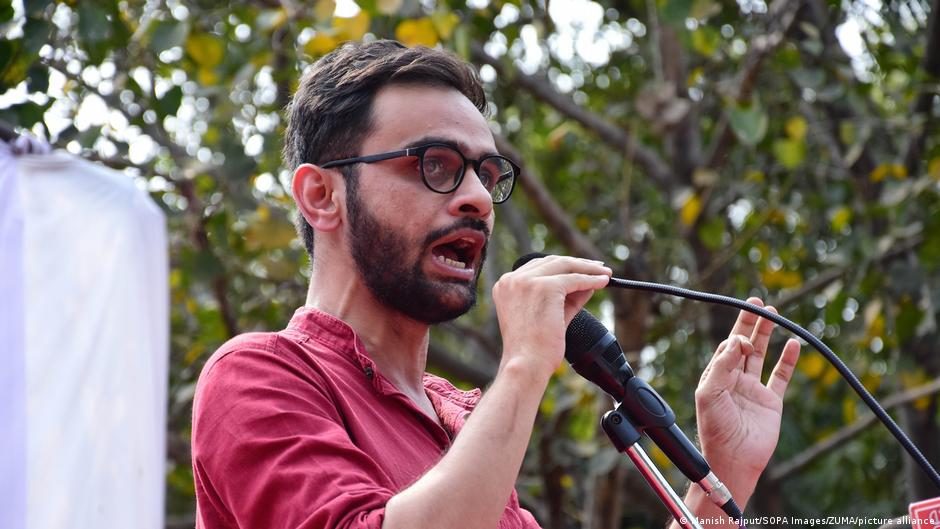
Activists Umar Khalid and Sharjeel Imam have once again appealed to the Supreme Court of India for bail in the 2020 Delhi riots "larger conspiracy" case. This comes after they have spent over six years in jail without their trial commencing.
They are challenging a Delhi High Court order that rejected their previous bail applications. The activists argue that their prolonged detention, with no protected witnesses examined and no trial in sight, violates their constitutional rights.
Highlights
- Umar Khalid and Sharjeel Imam have been imprisoned for over six years in connection with the 2020 Delhi riots case.
- The Delhi High Court had previously denied their bail pleas, citing judicial discipline bound by an earlier Supreme Court order.
- The activists claim that none of the 47 protected witnesses have been examined, and over 900 witnesses are yet to be heard.
- They contend that continued imprisonment infringes upon their right to life and liberty under Article 21 of the Indian Constitution.
- In a separate ruling, the Supreme Court clarified that the 24-hour deadline for producing an arrested person before a magistrate begins from the moment of "detention," not "arrest."
Details
Umar Khalid and Sharjeel Imam are accused by Delhi Police of being the "masterminds" behind the violence that occurred in February 2020. However, nearly seven years later, their trial has yet to begin. The activists argue that the condition set for their reapplication for bail—that protected witnesses be examined or a year pass—is unlikely to be met in a timely manner given the lack of progress.
Sharjeel Imam states he has spent six years and nine months in jail as an undertrial, with the prosecution having examined none of its protected witnesses. The Delhi High Court had previously stated it was bound by a January 5 Supreme Court order, which had denied bail to Khalid and Imam while granting it to five co-accused, noting they "stand on a qualitatively different footing."
Notably, another Supreme Court bench criticized the January order in May, observing that "bail is the rule and jail is an exception," even under the stringent anti-terror law, the Unlawful Activities (Prevention) Act (UAPA).
Why it matters
This case highlights significant concerns regarding the length of judicial processes in India and the impact of prolonged detention, particularly under anti-terror laws, on human rights. The continued imprisonment of individuals without trial raises questions about fair trial rights and the right to liberty. The Supreme Court's clarification on the 24-hour detention rule is a crucial step towards safeguarding the rights of arrested individuals.