Toxic Marble Waste Dump in India Becomes a Popular Tourist Spot
In India's arid Rajasthan state, a massive dump yard made of marble waste attracts hundreds of tourists due to its 'snowy' appearance, while local residents face severe health risks.
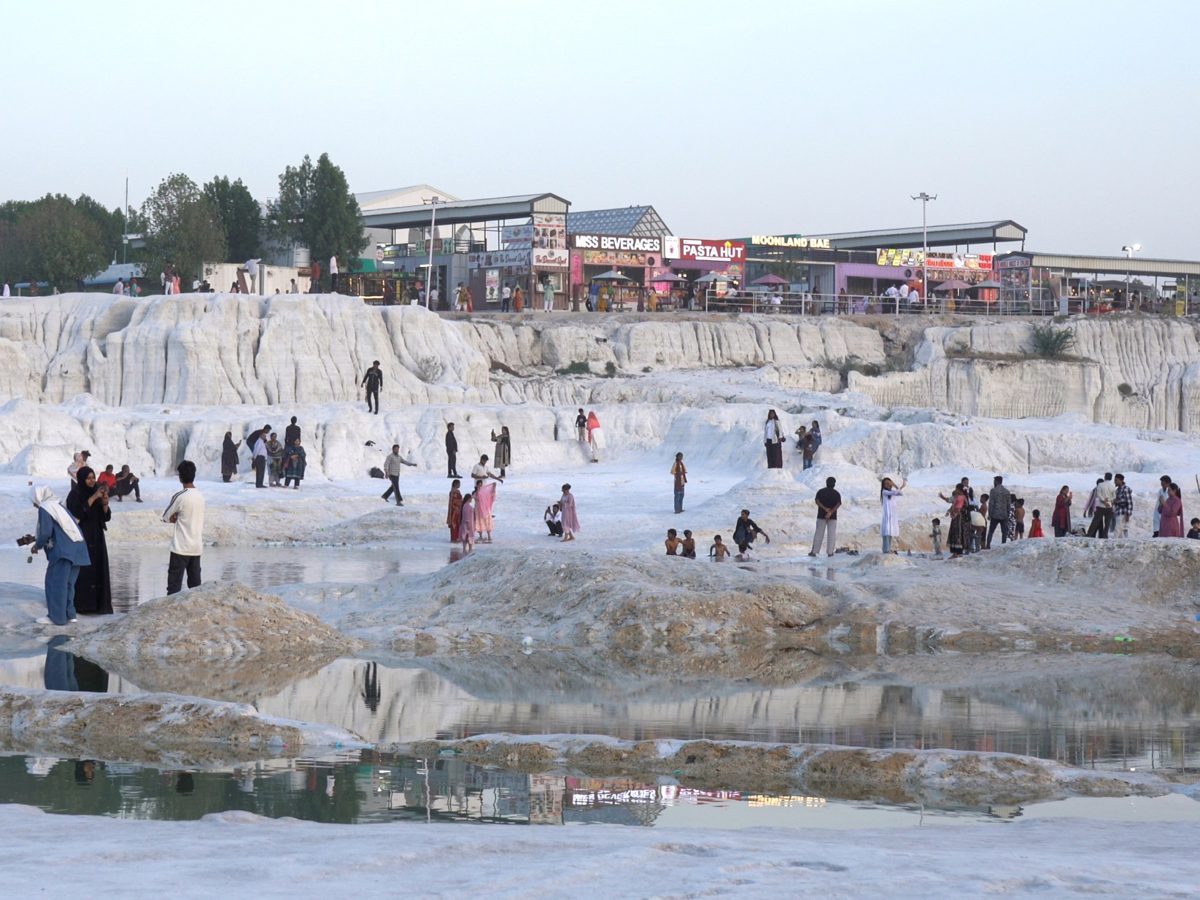
A vast 300-acre site in Kishangarh, Rajasthan, India, where marble processing waste is dumped, has transformed into an unusual tourist destination due to its pristine white, snow-like appearance. While hundreds of visitors flock daily to this 'Snow Yard,' local residents are grappling with severe health issues, including respiratory problems, skin conditions, and water contamination.
Despite its picturesque facade, this landfill is composed of toxic marble slurry. Many tourists, who visit for pre-wedding photoshoots and social media content, are unaware of the hazardous nature of these white hills and their detrimental environmental impact.
Highlights
- A 300-acre marble waste dump in Kishangarh, Rajasthan, has become a popular tourist attraction, resembling a snow-covered landscape.
- Residents living near the site suffer from chronic coughs, chest infections, dental problems, and skin allergies due to marble dust exposure.
- Approximately 5,000 people reside in the vicinity of the dump yard and are adversely affected by its presence.
- A study revealed lead silicate concentrations in the soil to be several times higher than normal, with PM2.5 levels exceeding ambient air quality standards.
- The National Green Tribunal has noted that unregulated marble slurry dumping contaminates groundwater and air, directing authorities to enhance monitoring and penalize non-compliant marble processing units.
Details
Kishangarh is a major marble and granite hub, home to nearly 1,200 processing units. These units collectively dump approximately 5,500 tons of waste slurry daily into the government-allotted site. This continuous dumping directly impacts the health of thousands of residents in at least six surrounding villages. Local physicians report a significant increase in respiratory and skin problems among the population.
Research conducted by a professor from the Central University of Rajasthan found that the concentration of lead silicate in Kishangarh's soil was several times higher than normal, indicating extreme contamination. The study also noted that PM2.5 concentrations exceeded ambient air quality standards, posing a risk of silicosis to many. Furthermore, elevated fluoride levels in groundwater have rendered it unfit for consumption, leading to tooth decay and weakened bones among residents.
Despite numerous complaints from residents to authorities, little action has been taken. Last year, an environmentalist filed a case with the National Green Tribunal, which subsequently ordered increased monitoring and penalties for polluting units. However, experts emphasize that the area is unsuitable for human habitation and the dump yard needs to be relocated urgently.
Why it matters
This situation highlights the delicate balance between economic development, environmental sustainability, and public health. While the marble industry in Kishangarh provides employment for thousands, inadequate waste management practices threaten the quality of life and health of a similar number of people. The transformation of a toxic waste site into a tourist attraction underscores a severe environmental and public health crisis that demands immediate attention from authorities.