IMF Urges Support for Poorer Nations Facing High Inflation and Debt Burden
International Monetary Fund (IMF) Managing Director Kristalina Georgieva emphasized the need to support low-income countries struggling with high inflation, rising debt, and price shocks caused by war
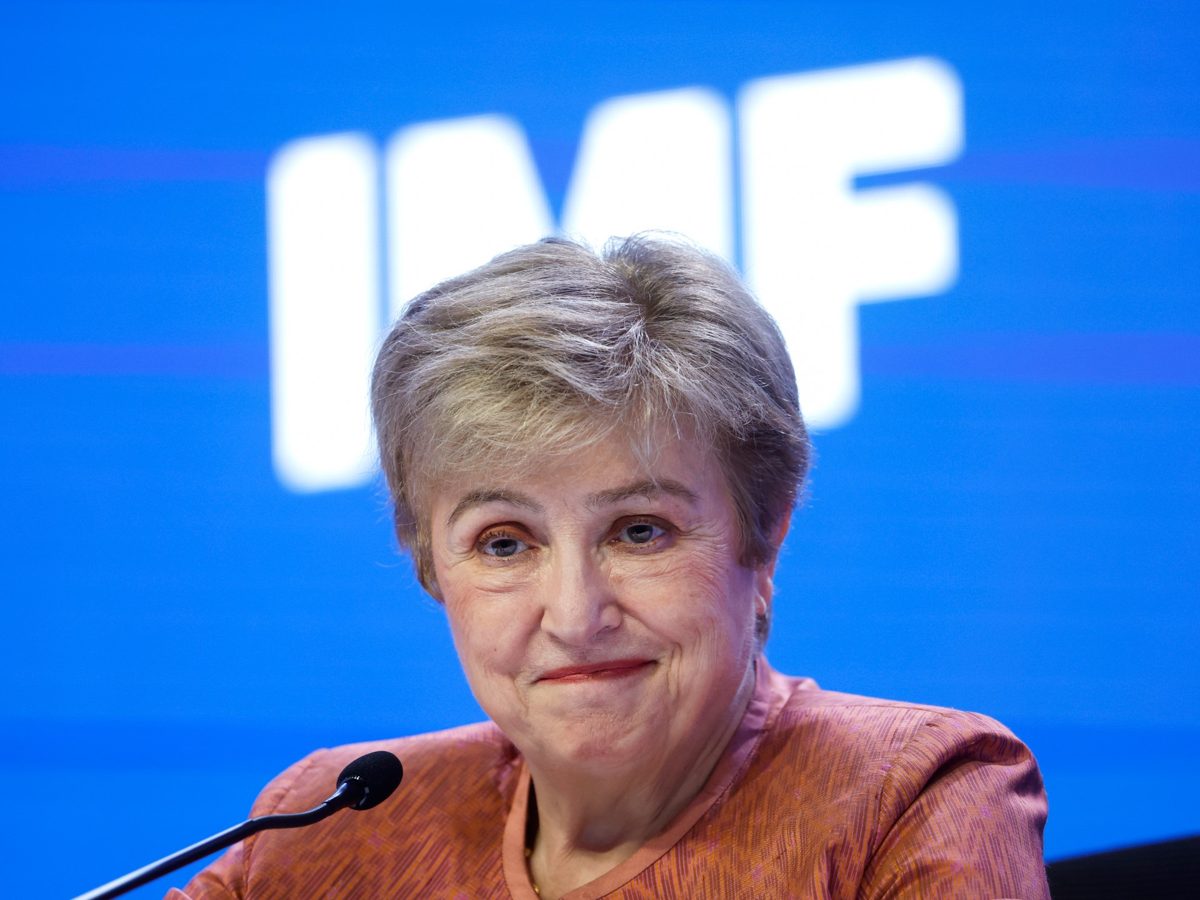
International Monetary Fund (IMF) Managing Director Kristalina Georgieva stated at the close of the annual meetings in Bangkok that low-income countries are grappling with increasing debt, high inflation, and price shocks stemming from wars. Georgieva noted that while the resilience of the global economy and the promise of artificial intelligence (AI) bring optimism, inflation, high debt levels, wars, and climate risks remain sources of worry.
Highlights
- Low-income countries are now spending 8 to 14 percent of their revenue on debt repayments, an increase from previous years.
- IMF chief Georgieva highlighted the devastating impact of inflation, particularly on poorer countries, stating, "Inflation is like a tax on the poor."
- Vulnerable nations are missing out on the AI investment boom that is driving growth in richer countries.
- Low-income, oil-importing countries are most severely affected by rising global energy costs.
- The IMF has a responsibility to help countries with debt restructuring and resource mobilization.
Details
Kristalina Georgieva explained that rising global interest rates are forcing low-income countries to allocate a significant portion of their revenue to debt repayments. This situation limits their capacity to invest in high-growth areas like artificial intelligence. Furthermore, soaring global energy costs, particularly since the war launched by the United States and Israel on Iran, have placed a heavy burden on low-income, oil-importing nations.
Mohammed Al-Jadaan, Chairman of the International Monetary and Financial Committee (IMFC) and Saudi Finance Minister, warned that escalating conflicts and trade tensions could further disrupt critical trade routes, exacerbate commodity price pressures, and worsen energy and food security. Georgieva also mentioned that the IMF plans to firmly back Iraq with a requested loan program and that discussions with Lebanese authorities are making significant progress.
Why it matters
This situation has the potential to deepen global inequalities. The heavy debt burden and inflation hinder low-income countries from achieving their sustainable development goals, while also posing risks to global stability. The IMF's call for support for these nations underscores the importance of international cooperation and financial assistance.