UK Chancellor Healey to Unveil First Budget Amid Tax Hike Speculation
UK Chancellor John Healey is set to present his inaugural Budget on October 28, with tax increases anticipated due to the government's escalating borrowing costs.
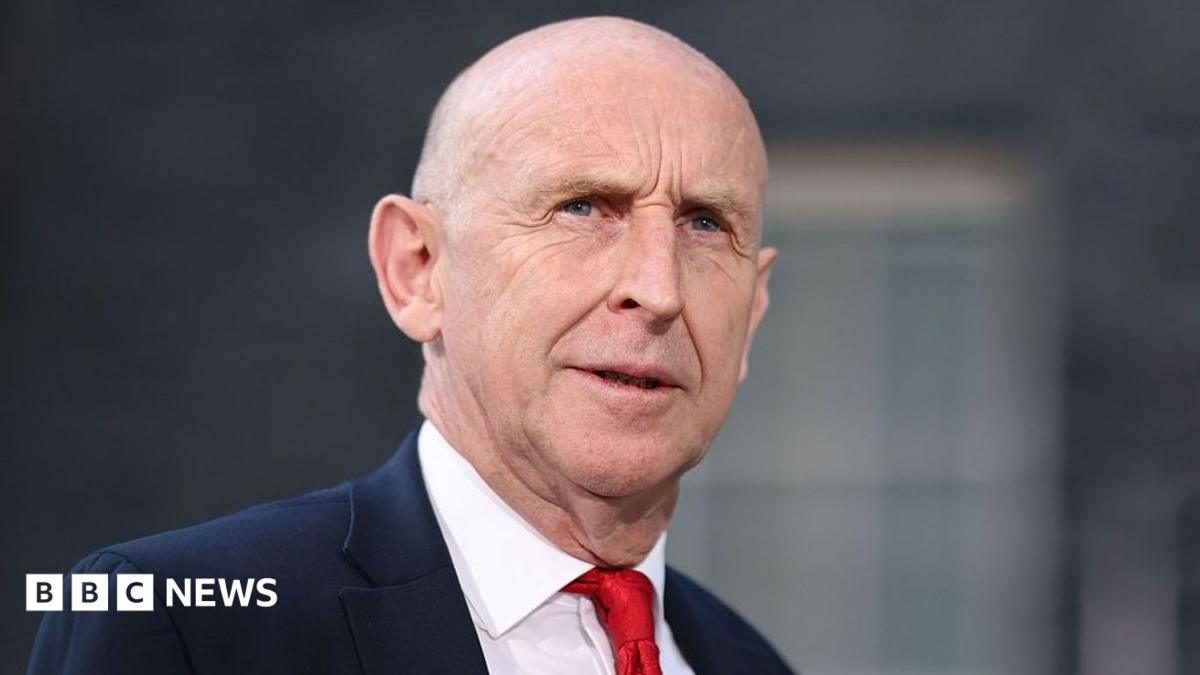
UK Chancellor John Healey will present the Labour Party's tax and spending proposals in his first Budget on October 28. Healey has not ruled out tax increases, acknowledging that government borrowing costs are at "historic highs." This Budget aims to balance the government's fiscal discipline goals with its commitments to support households.
Highlights
- Potential Tax Hikes: Chancellor Healey indicated that tax increases are a possibility due to rising government borrowing costs.
- Banking Sector Taxation: Bank executives expect higher taxes on the sector, potentially through an increased surcharge on profits or a higher bank levy.
- First-Time Homebuyer Scheme: Details of the "Your First Home" scheme will be announced, offering a 2.5% deposit option and a loan covering 20% of the property's value.
- Capital Gains Tax: While changes to rates or exemptions were speculated, Healey is reportedly taking a more cautious approach.
- Fuel Duty and Energy Support: Decisions on extending the fuel duty freeze and potential energy bill assistance for households are anticipated.
Details
Alongside the Budget, the Treasury will release specifics on the measures and their costs. The independent Office for Budget Responsibility (OBR) will also provide an assessment of the UK economy's health and future forecasts. The government aims to adhere to fiscal rules, including not borrowing for day-to-day public spending and reducing government debt as a share of national income by the end of this parliament.
In March, the OBR projected a £23.6 billion buffer for the first rule, but this is now expected to have shrunk, possibly to £12 billion, mainly due to increased borrowing costs. Inflation could also impact tax revenues. Additionally, Healey has reportedly ruled out extending the High Value Council Tax Surcharge (mansion tax) to properties valued over £1.5 million, keeping it at the £2 million threshold.
Why it matters
This Budget is crucial for setting the Labour government's financial policies and the country's economic direction. Amid rising energy prices and economic pressures from global conflicts, how the government balances supporting households with maintaining fiscal discipline will be closely watched. The Budget decisions will directly impact the daily lives of millions of citizens across the UK.