UK Chancellor Rejects Calls to Raise Capital Gains Tax
UK Chancellor John Healey has dismissed calls from some Labour MPs to increase Capital Gains Tax, aiming to prevent an exodus of investors.
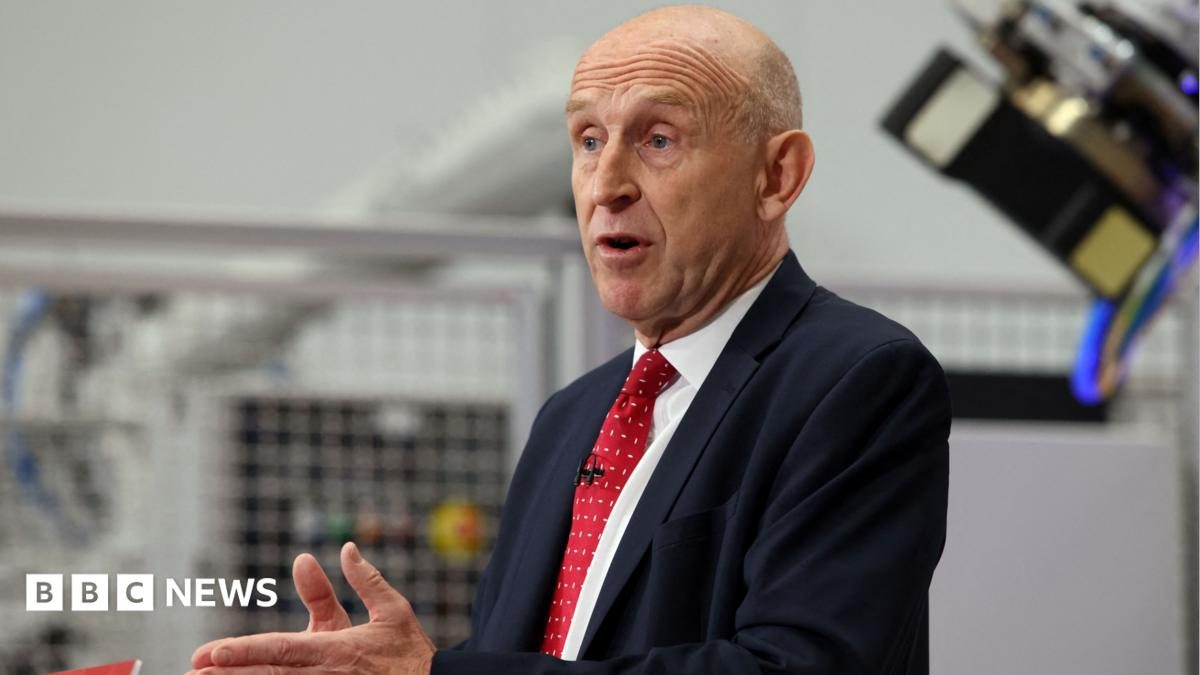
UK Chancellor John Healey has rejected proposals from some Labour Members of Parliament to increase Capital Gains Tax (CGT) ahead of next week's Budget. This decision follows warnings that raising the tax could lead to wealthy individuals leaving the country or deferring asset sales, potentially costing the government money. Chancellor Healey emphasized his commitment to fostering wealth creation in the UK.
Highlights
- Chancellor John Healey decided against raising Capital Gains Tax to prevent an exodus of investors from the UK.
- Influential Labour figures had advocated for equalizing CGT with income tax.
- The government received warnings that a tax hike could drive wealthy individuals abroad or cause them to delay selling assets.
- Last year, HMRC estimated that a 10% increase in the higher rate of CGT could reduce Treasury receipts by £3.6 billion in 2028-29.
- Lord Jim O'Neill, a former adviser to Prime Minister Andy Burnham, suggested that raising CGT would send "the wrong message to business."
Details
Capital Gains Tax is levied on the profit made from selling an asset that has increased in value, such as company shares or properties that are not primary residences. The current rates are 18% for basic rate income taxpayers and 24% for higher and additional rate taxpayers. Some prominent Labour figures had pushed for these rates to be brought closer to income tax rates. For instance, Defence Secretary Wes Streeting argued that equalizing CGT with income tax would address an unfair system that "penalized work."
However, Chancellor Healey stressed the importance of businesses and self-employed individuals making profits. "I want to see this country as a country of wealth creation. I want our government decisions and policies to raise the levels of confidence, and investment, and profit in British business," Healey stated. The government faces limitations in raising revenue due to its 2024 manifesto pledges not to increase income tax, National Insurance, and VAT.
Why it matters
This decision reflects the UK's efforts to remain an attractive destination for investors. By not increasing Capital Gains Tax, the government aims to prevent wealthy individuals and investors from leaving the country or delaying asset sales, thereby preserving economic stability. It also highlights the delicate balance required in tax policy during a period when the government is under pressure to address the cost of living and fund increased defense spending.