Iraq Devalues Dinar to Ease Cash Crunch, Leaving Traders in Limbo
The Iraqi government devalued the dinar against the US dollar by approximately 15% to cover salaries, but traders face rising import costs and market uncertainty.
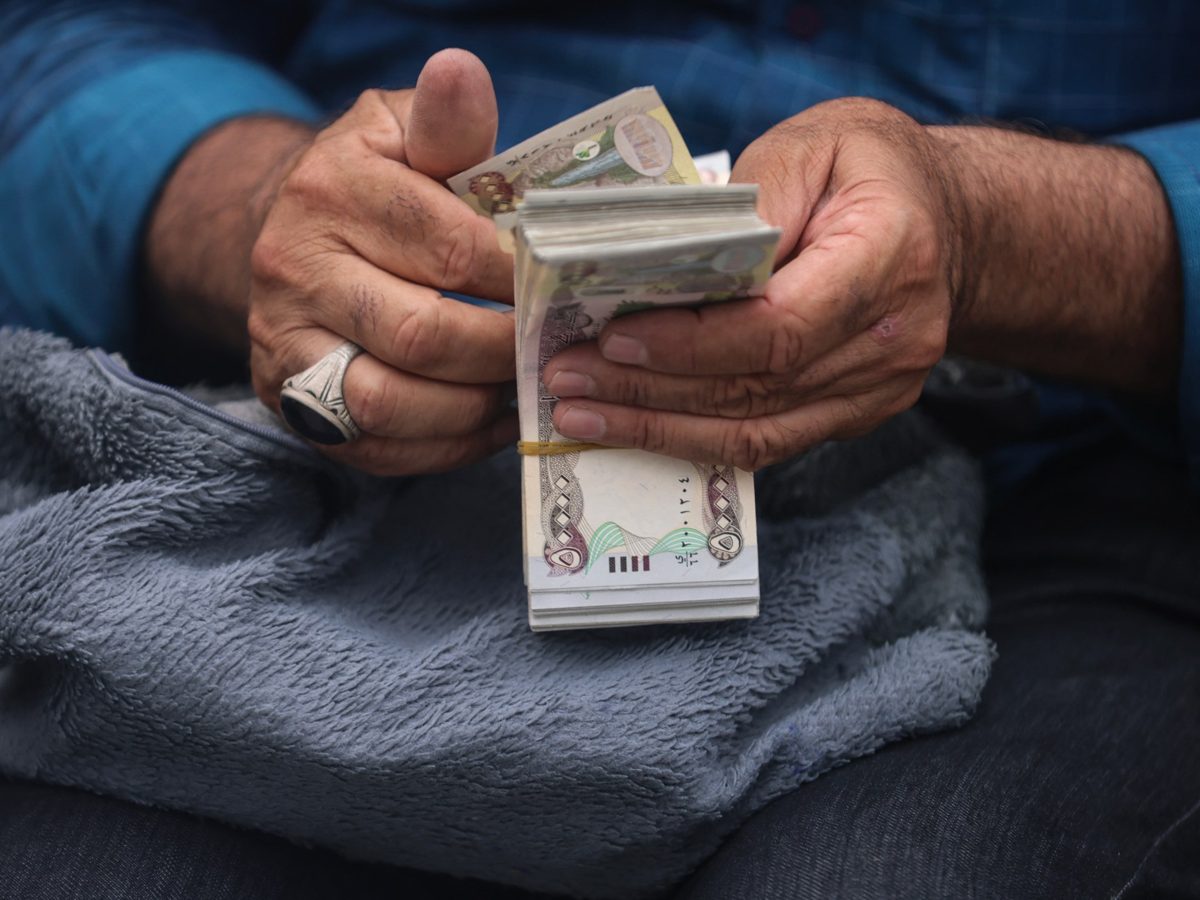
The Iraqi government announced a devaluation of the Iraqi dinar against the US dollar on October 7, aiming to alleviate a financial crisis and ensure public sector salaries can be paid. This move, however, has led to immediate losses for import traders and created significant uncertainty in the market.
Previously, the official exchange rate was 1,320 Iraqi dinars per US dollar; it is now set at 1,520 dinars per dollar. This nearly 15% devaluation allows the government to receive more local currency for every dollar of oil revenue it converts.
Highlights
- The Iraqi dinar has been devalued by approximately 15% against the US dollar.
- The government intends for this decision to help cover public employee salaries and other essential expenditures.
- Traders are experiencing significant losses due to increased import costs and exchange rate volatility.
- Market activity has stalled, with many traders suspending buying and selling.
- Prime Minister Ali al-Zaidi stated the decision was made among difficult options, including cutting salaries, delaying payments, or seeking foreign loans.
Details
Many business owners, like Hamza al-Rudayni, a wholesale food trader in Baghdad, have suffered substantial losses due to the devaluation. Al-Rudayni reported losing 25 million Iraqi dinars (approximately $16,500) because of the decision. Traders, who purchase goods in dollars and sell them in dinars, face higher costs for imported products, while struggling to price existing stock accurately as the dinar's value decreases.
Iraqi Prime Minister Ali al-Zaidi mentioned that his government inherited public debt exceeding 208 trillion Iraqi dinars (about $139 billion) upon taking office and requires approximately 10 trillion dinars (around $6.7 billion) monthly for salaries and other critical expenses. The government has also resorted to borrowing from domestic banks to compensate for revenue shortfalls.
Why it matters
This devaluation highlights the structural issues within the Iraqi economy. Economists warn that while adjusting the exchange rate might ease immediate fiscal pressures, it will not address the deeper weaknesses of the economy. The government's effort to secure salary payments is crucial for domestic economic stability, yet it is causing severe disruptions in the trade sector.