Iran's Chief Negotiator: American Voters Said 'No to War'
Iran's chief negotiator, Mohammad Bagher Ghalibaf, stated that American voters opposed war following the Republican Party's defeat in the US midterm elections.
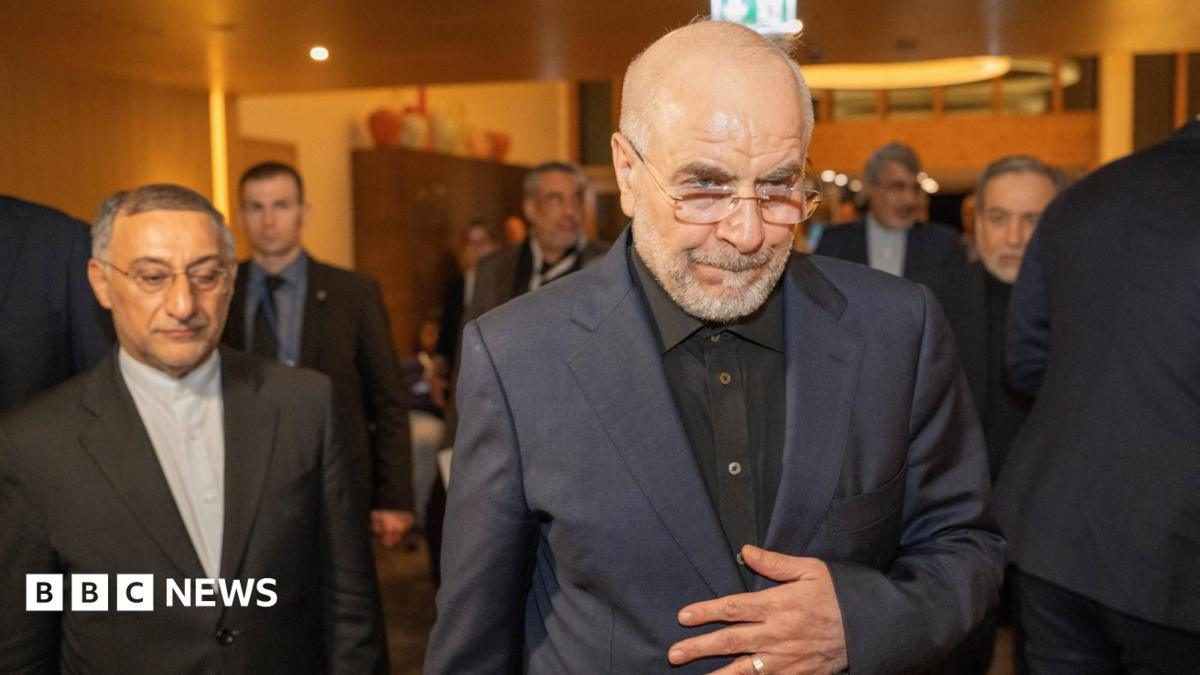
Iran's chief negotiator and Parliament Speaker, Mohammad Bagher Ghalibaf, declared that American voters have "said NO TO WAR" after the Republican Party, led by former President Donald Trump, suffered a significant defeat in the US midterm elections. Ghalibaf conveyed this message on X, stating that Iran "endorses this message."
Donald Trump acknowledged that the poor performance of Republican congressional candidates was partly due to the ongoing conflict with Iran and the resulting surge in petrol prices. However, he maintained that he did not regret launching a joint attack with Israel on Iran in February.
Highlights
- Iran's chief negotiator Ghalibaf interpreted the US midterm election results as "Americans saying no to war."
- Donald Trump admitted that the conflict with Iran and rising gasoline prices contributed to the Republican election defeat.
- The Iranian Islamic Revolutionary Guard Corps (IRGC) reported that four oil tankers caught fire after hitting naval sea mines in the Strait of Hormuz.
- The IRGC also claimed to have shot down another US MQ-9 drone over the Strait of Hormuz.
- Indirect talks between the US and Iran to end the conflict have been stalled for months, with Iran stating a seven-step proposal mediated by Qatar remains valid.
Details
Mohammad Bagher Ghalibaf warned that if the US government betrays the public will, Iran's "NO comes with a Nightmare." Donald Trump, in an interview with Fox News, suggested that the midterm results were partly due to Iran. He understood that while people might agree with his actions regarding Iran, they were likely unwilling to bear the short-term consequences of paying more for gasoline.
The IRGC reported that four oil tankers caught fire after hitting naval sea mines in the Strait of Hormuz, with two still burning. They also claimed to have intercepted two additional tankers attempting to use a prohibited southern route. The UK Maritime Trade Operations (UKMTO) center confirmed a tanker was struck by unknown projectiles off Oman's Musandam peninsula, with no casualties reported.
Why it matters
Connecting the US midterm election results to Iran policy highlights the global political impact of regional tensions and energy prices. The incidents in the Strait of Hormuz underscore the fragility of security in this strategic waterway, through which a significant portion of global oil and gas shipments pass. The risk of escalating conflict could have severe consequences for global energy markets and international relations, while the future of negotiations between the parties remains uncertain.