Iran Insists on Hormuz Strait Plan Despite Trump's Rejection
Iranian officials stated that while aware of President Trump's rejection of their proposal to reopen the Strait of Hormuz, they had not received a formal message and remain firm on their conditions.
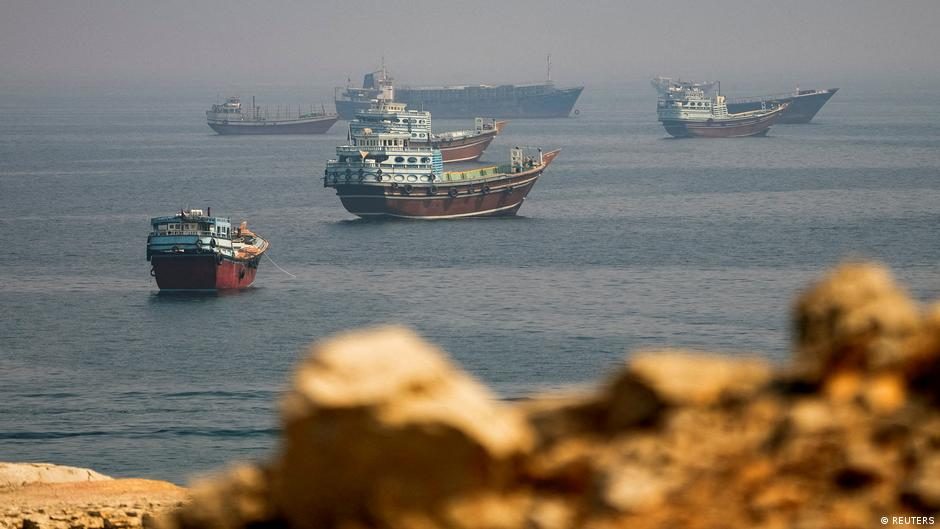
Iran is standing firm on its seven-day plan for reopening the Strait of Hormuz, which aims to end regional conflicts. Despite US President Donald Trump publicly rejecting the proposal, Iranian officials have stated they have not received a formal rejection and will not back down from their conditions.
Highlights
- Iran declared its conditions for reopening the Strait of Hormuz are clear and it will not compromise on them.
- While President Trump publicly rejected Iran's proposal, Iranian officials noted they have not received any formal rejection message.
- Iran's proposal includes a cessation of all hostilities in the Middle East, including Lebanon, and the fulfillment of a collapsed ceasefire deal.
- These conditions involve the release of frozen Iranian assets, the lifting of sanctions on Iranian oil, and an end to the US naval blockade.
- The Persian Gulf Strait Authority (PGSA), established by Iran, warned ships against using "illegal routes" in the region.
Details
Iranian Foreign Minister Abbas Araghchi stated on Sunday that his country has not closed the door to diplomacy or negotiations but will not abandon its rights. Iran had reportedly transmitted its proposal, presented at the UN General Assembly, to Washington via Qatari mediators. The plan calls for an end to all hostilities in the Middle East, including Lebanon, and the implementation of conditions from a ceasefire agreement that fell apart months ago.
Trump publicly rejected Iran's proposal on Saturday, telling reporters at the White House, "I reject their proposal... I rejected their deal." In response, Araghchi acknowledged seeing the US president's initial reaction but noted that no definitive position had been conveyed by the mediators yet. Currently, Iranian ports are under a US blockade as Washington attempts to pressure Tehran to lift its closure of the Strait of Hormuz.
Why it matters
The Strait of Hormuz is a strategically vital waterway through which approximately one-fifth of global oil demand passes, and it is also a crucial route for liquefied natural gas and fertilizer. Its continued closure significantly impacts global energy markets. Iran's insistence on its conditions and the US rejection have the potential to escalate regional tensions, which is critical for international shipping and energy security.