Iran Alleges US Preparing for Renewed Strikes, Threatens Retaliation
Iran's military command claims it has intelligence of impending US strikes, vowing retaliation against American assets and regional allies.
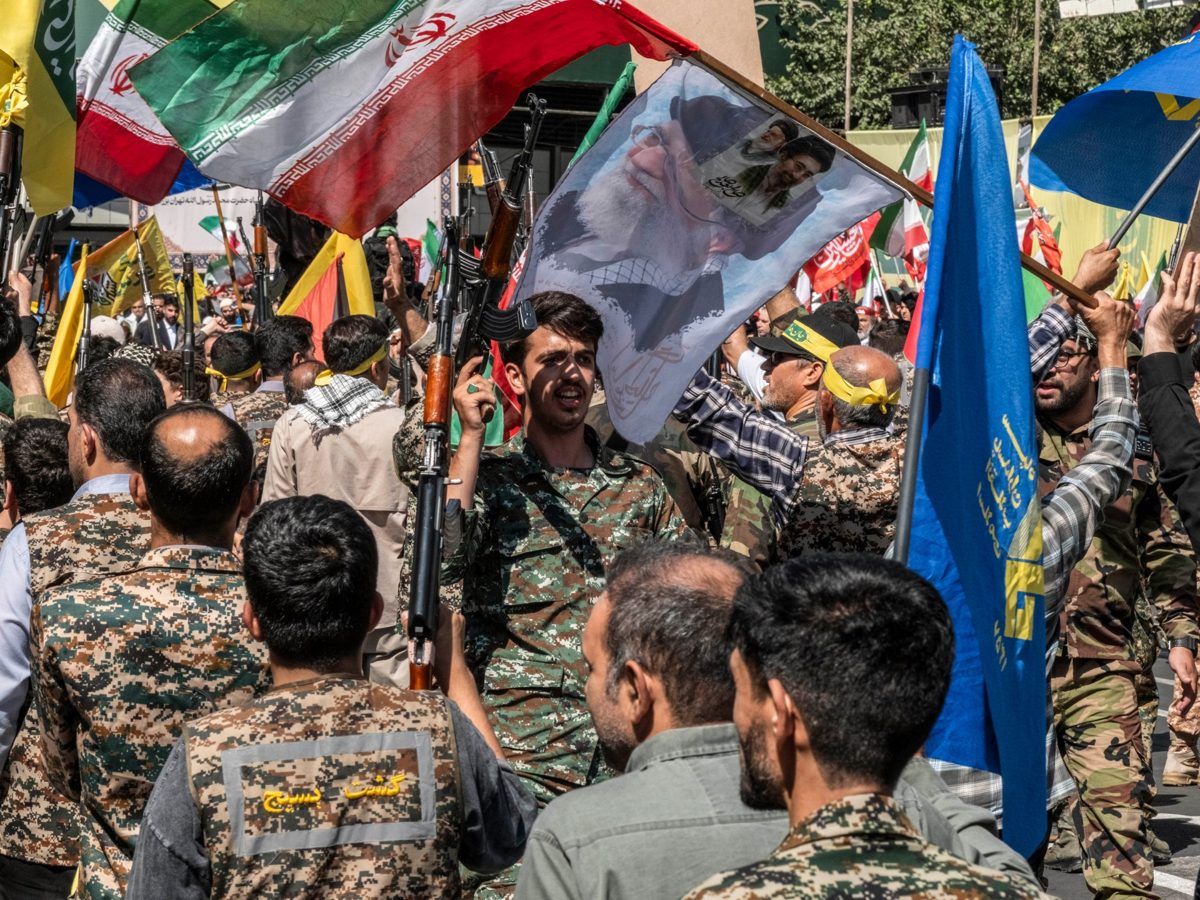
Highlights
- Iran's central military command asserts it has received intelligence indicating the United States is preparing to resume military strikes.
- Tehran has warned that any renewed US assault would be met with retaliation targeting American bases and interests across the Middle East.
- US President Donald Trump stated he is in a "deciding mode" regarding Iran, considering military action, economic pressure, or a diplomatic resolution.
- Qatar is actively mediating between the two nations, exchanging proposals to restart negotiations.
- Shipping traffic through the Strait of Hormuz has significantly decreased amid heightened tensions.
Details
The Khatam al-Anbiya Central Headquarters, which supervises Iran's armed forces, issued a warning on Sunday about potential renewed US attacks. This raises the specter of escalated hostilities after several months of reduced direct confrontations. Iran also cautioned regional countries against assisting Washington, stating that any nation allowing its territory or facilities to support US operations would be deemed "complicit" and could face an Iranian response.
President Trump, speaking on Fox News, confirmed he is weighing various options for Iran, including further military action, continued economic pressure, or a new agreement. He also expressed openness to a meeting with Iranian President Masoud Pezeshkian during the upcoming United Nations General Assembly in New York. Iran's Foreign Minister, Abbas Araghchi, departed Tehran for the UN General Assembly, with a brief stopover in Qatar, a key mediator.
Iran's Parliament Speaker, Mohammad Bagher Ghalibaf, advised lawmakers that Tehran should first employ military force to repel adversaries before engaging in diplomacy to secure gains. Tehran has communicated to Qatari and Pakistani intermediaries that preconditions for resuming dialogue include an end to hostilities and US attacks, the unfreezing of Iranian assets, and the removal of the US naval embargo on Iranian ports. Ghalibaf further stated that the Strait of Hormuz would remain inaccessible until Washington fulfills what Iran considers its obligations under a previous accord. The confrontation has already impacted shipping in the Strait of Hormuz, a critical route for global energy shipments; data showed a significant drop from 35 commodity vessels to 12 over the past weekend. A 60-day memorandum in June had temporarily de-escalated fighting, but its expiration last month has seen an increase in incidents around the Strait.
Why it matters
These developments signal a dangerous escalation in Middle East tensions, risking a new cycle of conflict that could profoundly destabilize the region. The potential for military confrontation also casts a long shadow over global energy markets, given the strategic importance of the Strait of Hormuz. The coming days will be crucial in determining whether diplomatic efforts can avert further escalation or if the region is headed towards renewed hostilities, a situation closely watched by the international community.